


 About Urh Social
 Terms of Service
 Politique de confidentialité
 Contact
How Does Hair Shaft Thickness Affect Hair Transplant Results?
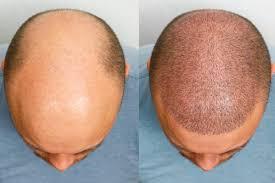
Hair Transplant in Dubai is a popular hair restoration procedure for people experiencing hair thinning, receding hairlines, or noticeable bald patches. While factors such as donor hair availability, scalp health, and hair follicle quality receive considerable attention, hair shaft thickness is another important consideration when planning treatment. It can influence how much scalp coverage transplanted hair provides and how natural the final appearance looks.
Understanding the relationship between hair shaft thickness and hair transplant results helps patients develop realistic expectations and make informed decisions before undergoing treatment. A personalised assessment can also help determine the most suitable approach for individual hair characteristics.
What Is Hair Shaft Thickness?
Hair shaft thickness refers to the diameter of an individual strand of hair. It is generally described as fine, medium, or coarse, depending on its natural structure.
Hair thickness is different from hair density. Thickness describes the size of each individual strand, whereas density refers to the number of hair follicles growing within a specific area of the scalp.
These characteristics influence the overall appearance of hair. For example, someone with naturally thick hair may achieve fuller-looking coverage with fewer visible strands, while someone with fine hair may require more careful distribution to create the appearance of adequate density.
During hair transplant planning, understanding these differences helps specialists evaluate how transplanted follicles may contribute to the desired appearance.
How Does Hair Shaft Thickness Influence Hair Coverage?
Hair shaft thickness can affect the visual coverage achieved through hair transplantation. Thicker strands generally cover more scalp surface than finer strands because of their larger diameter.
However, this does not mean that thick hair automatically guarantees better transplant results. Several other characteristics, including hair colour, skin contrast, curl pattern, and follicular density, influence the overall appearance.
For instance, coarse hair with a colour similar to the scalp may create a different visual effect from fine, dark hair growing against a lighter scalp.
A comprehensive evaluation helps specialists understand how these characteristics work together when designing a hair restoration plan.
Does Fine Hair Require Different Transplant Planning?
Yes. Fine hair may require a different distribution strategy because individual strands provide less visual coverage than thicker hair.
Patients with fine hair may notice that their scalp remains more visible, particularly under bright lighting or when their hair is wet. During transplantation, specialists may consider the available donor follicles, existing hair density, and the distribution of natural hair.
The objective is to create balanced coverage without placing unrealistic demands on the donor area.
Fine hair does not necessarily make someone unsuitable for hair transplantation. The final outcome depends on several factors, including follicle quality, donor availability, scalp condition, and the patient's individual hair loss pattern.
Why Is Hair Shaft Thickness Important for Hairline Design?
Hairline design is one of the most important aspects of natural-looking hair transplantation. The thickness of individual hair strands can influence how soft, defined, or dense the restored hairline appears.
Naturally occurring hairlines often contain finer, single-hair follicular units towards the front, with thicker groupings gradually appearing behind them.
When planning a transplant, specialists may consider:
-
Hairline softness: Fine strands can help create a gradual and natural-looking frontal transition.
-
Hair distribution: Different follicular groupings may be used to achieve balanced coverage.
-
Facial proportions: The hairline should complement the patient's facial structure.
-
Existing hair characteristics: Natural strand thickness and growth direction influence the design.
Careful planning helps avoid an artificial or excessively dense-looking hairline.
Can Hair Thickness Affect the Number of Grafts Needed?
Hair shaft thickness can influence the number of grafts required to achieve a particular visual result. However, graft requirements cannot be determined by strand thickness alone.
A hair transplant specialist also evaluates the size of the thinning area, existing hair density, donor hair availability, and the number of follicles contained in each graft.
For example, thicker hair may provide greater visual coverage per strand, while fine hair may require a more strategic distribution to create a similar appearance.
It is important to understand that increasing the number of grafts is not always the best solution. The donor area has limitations, and excessive extraction can affect its appearance and future restoration options.
A medically appropriate treatment plan should balance coverage goals with donor area preservation.
Does Hair Shaft Thickness Change After Transplantation?
Transplanted hair generally retains many of the characteristics of the donor area, including its natural texture and thickness. However, the appearance of transplanted hair can change during the recovery and growth process.
Some patients experience temporary shedding after transplantation. This is commonly known as shock loss or postoperative shedding, depending on which hairs are affected.
New hair growth usually develops gradually rather than appearing immediately. Initially, some transplanted strands may appear finer before becoming more established.
The maturation process varies between individuals. Patients should follow their specialist's aftercare instructions and attend recommended follow-up appointments to monitor progress.
Other Factors That Influence Hair Transplant Results
Although hair shaft thickness is important, it is only one part of successful hair restoration planning.
Other relevant factors include:
Donor Hair Quality: Healthy donor follicles provide the foundation for transplantation. Their availability and characteristics influence the treatment plan.
Scalp Health: Conditions affecting the scalp may influence treatment suitability and recovery. Existing inflammation or infection should be assessed before surgery.
Hair Loss Pattern: The location, severity, and progression of hair loss help determine the areas requiring restoration.
Hair Growth Direction: Matching the natural direction and angle of existing hair is essential for achieving a realistic appearance.
Long-Term Hair Loss: Existing hair may continue thinning after transplantation. Patients should understand that transplanted follicles do not prevent future hair loss in untreated areas.
Considering these factors together allows for more realistic treatment expectations.
Hair Transplant Assessment at Tajmeels Clinic
At tajmeels clinic dubai, hair transplant planning involves considering individual hair characteristics, scalp condition, donor area quality, and personal restoration goals. Hair shaft thickness can help guide decisions about graft distribution, hairline design, and expected visual coverage. A personalised assessment helps determine whether the patient is suitable for treatment and which approach may be appropriate for their needs. Patients can discuss their concerns, understand the procedure, and receive guidance about recovery and long-term hair restoration expectations before making a decision.
What Should Patients Discuss Before Hair Transplantation?
Before proceeding with treatment, patients should discuss their natural hair thickness, previous hair loss, family history of hair thinning, and expectations regarding coverage.
Useful questions include:
-
Is my donor hair thick enough to support the desired coverage?
-
How will my natural hair texture influence the hairline design?
-
How many grafts may be appropriate for my scalp?
-
What results are realistic for my current hair density?
-
Could future hair loss affect the overall appearance?
Clear communication and a thorough medical assessment help patients understand the possible benefits and limitations of transplantation.
Conclusion
Hair shaft thickness plays an important role in determining the visual coverage, hairline appearance, and overall planning of a hair transplant. Although thicker strands may provide greater coverage, fine hair can also produce natural-looking results when graft placement and distribution are carefully planned. Evaluating donor hair quality, scalp health, and individual hair loss patterns helps establish realistic expectations and supports informed treatment decisions.
More Information
Tajmeels Clinic Dubai
WhatsApp: +971 56 203 8751
Phone: tel:+971 43739000
Social Media:

 English
 Arabic
 Spanish
 Portuguese
 Deutsch
 Turkish
 Dutch
 Italiano
 Russian
 Romaian
 Portuguese (Brazil)
 Greek
