


 About Urh Social
 Terms of Service
 Politique de confidentialité
 Contact
Discover the Beauty of Japan in Autumn: A Memorable Journey Through Nara
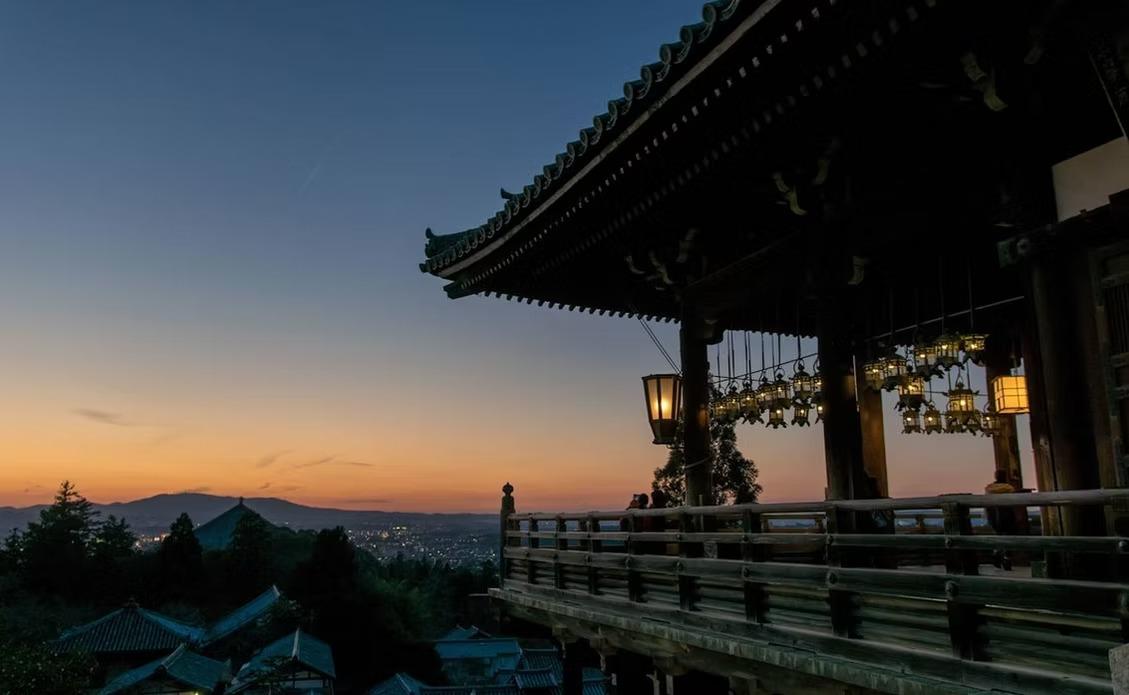
Autumn transforms Japan into a landscape of vibrant colors, peaceful walking paths, and unforgettable cultural experiences. Among the destinations worth exploring during this season, Nara stands out for its historic temples, traditional architecture, beautiful gardens, and freely roaming deer. A Nara autumn foliage tour offers an opportunity to experience these attractions while enjoying the seasonal beauty that makes this historic city especially appealing in fall.
From golden ginkgo trees to brilliant red maple leaves, Nara provides a wonderful setting for travelers who want to combine nature, history, and Japanese culture in one memorable journey.
Why Visit Nara During Autumn?
Nara has a special atmosphere throughout the year, but autumn brings a different character to its parks, temples, and surrounding landscapes. As temperatures become cooler, the changing leaves create colorful scenery that complements the city's traditional architecture.
Japanese maple trees introduce shades of red and orange, while ginkgo trees add bright golden tones. These colors create beautiful contrasts with historic wooden buildings, stone pathways, and peaceful garden ponds.
Autumn is also a comfortable season for sightseeing. Visitors can spend more time walking between attractions, exploring outdoor spaces, and enjoying the city's cultural landmarks without the intense summer heat.
For photographers, nature enthusiasts, and cultural travelers, the combination of seasonal scenery and historical surroundings makes Nara an appealing destination.
Nara Park: Where Autumn Colors Meet Friendly Deer
One of the most recognizable attractions in Nara is Nara Park. Famous for its freely roaming deer, the park becomes particularly beautiful when autumn foliage appears across its spacious grounds.
Visitors can enjoy leisurely walks beneath colorful trees while observing deer moving through the landscape. The combination of golden leaves, traditional surroundings, and wildlife creates memorable photographic opportunities.
The park is also home to several important cultural attractions, making it possible to combine nature and sightseeing in one visit.
Respecting Nara's Deer
The deer of Nara are an important part of the local landscape and cultural identity. Visitors can purchase special deer crackers from authorized vendors, but feeding should always be done responsibly.
Avoid teasing the animals, offering unsuitable food, or attempting to touch them without consideration for their behavior. Following local guidance helps protect both visitors and wildlife.
Todaiji Temple: Exploring History Among Colorful Trees
A visit to Nara would not be complete without discovering Todaiji Temple, one of Japan's most important Buddhist landmarks.
The temple is internationally recognized for its enormous Great Buddha Hall, which houses a monumental bronze Buddha statue. Its impressive wooden architecture provides a striking contrast against the colorful trees surrounding the grounds during autumn.
The nearby Daibutsuike Pond is another attractive location for visitors who enjoy photography. Depending on the season and viewing conditions, the pond and surrounding foliage create beautiful compositions featuring reflections, historic architecture, and natural scenery.
Beyond its visual appeal, Todaiji offers an opportunity to learn about the religious and cultural history that shaped Nara.
Isuien Garden: A Peaceful Autumn Experience
For travelers who appreciate carefully designed Japanese landscapes, Isuien Garden is an excellent place to explore.
This traditional strolling garden combines ponds, stone arrangements, carefully maintained plants, and scenic views. During autumn, changing foliage adds seasonal color to the garden's peaceful atmosphere.
Visitors can follow the garden paths at a relaxed pace, appreciate the relationship between natural scenery and traditional design, and enjoy views that change from different positions.
The garden also provides a quieter sightseeing experience compared with some of Nara's busier attractions.
Kasuga Taisha Shrine: Tradition and Natural Beauty
Kasuga Taisha is another significant cultural destination in Nara. Known for its beautiful shrine architecture and numerous stone and bronze lanterns, it offers a distinctive atmosphere surrounded by woodland scenery.
The approach to the shrine passes through areas where visitors can enjoy peaceful paths and seasonal vegetation. During autumn, the surrounding landscape becomes especially attractive as the leaves begin to change color.
The nearby forest environment adds another dimension to the visit, allowing travelers to experience the spiritual and natural character of the area.
Exploring Kasuga Taisha also provides insight into the religious traditions and heritage that remain an important part of Japanese culture.
The Best Time to Enjoy Autumn Foliage in Nara
Autumn colors do not appear everywhere at the same time. The viewing period depends on local temperatures, elevation, tree varieties, and annual weather conditions.
In general, foliage viewing in Nara extends from October into December, with many popular city locations becoming particularly colorful during November.
Different trees also change at different times. Ginkgo trees may turn golden before some Japanese maple varieties reach their strongest red colors.
Travelers planning a seasonal visit should check current foliage updates before departure. This helps them choose suitable dates and understand which attractions are displaying the most impressive colors.
Flexibility is useful because natural conditions can change from one year to another.
What Makes a Guided Autumn Tour Worth Considering?
Exploring Nara independently can be enjoyable, but arranging transportation and visiting several attractions in one day may require additional planning.
A guided private journey can make the experience more convenient, especially for international visitors unfamiliar with the local transportation network.
Convenient Transportation
Moving between different sightseeing locations can take time, particularly when visiting attractions outside the main city center. Having organized transportation can make the journey more comfortable and reduce the need to manage multiple public transport connections.
A More Relaxed Schedule
Autumn destinations can attract many visitors, particularly during peak foliage periods. A well-planned itinerary helps travelers organize their day while allowing enough time to enjoy each location.
Greater Cultural Understanding
Having access to local knowledge can make historical attractions more meaningful. Learning about temple traditions, shrine architecture, local customs, and the significance of Nara's deer adds depth to the overall experience.
Opportunities for Photography
A flexible sightseeing schedule can provide more opportunities to stop at scenic locations and capture memorable photographs. This is particularly useful for travelers who want to enjoy the scenery rather than rush between attractions.
What to Expect During an Autumn Visit to Nara
A successful seasonal trip involves more than choosing attractive sightseeing locations. A little preparation can make the experience considerably more comfortable.
Wear comfortable walking shoes. Many attractions involve outdoor paths, temple grounds, and uneven surfaces. Suitable footwear makes exploring easier.
Bring an additional layer of clothing. Autumn temperatures can change throughout the day, particularly during early mornings and evenings.
Carry a camera or smartphone. Nara offers plenty of opportunities to photograph colorful foliage, traditional buildings, gardens, and deer.
Respect local customs. Follow instructions at temples and shrines, maintain appropriate behavior around wildlife, and observe photography restrictions where applicable.
Allow enough time. Instead of rushing through every attraction, leave room to appreciate the scenery and atmosphere.
Beyond the Famous Attractions: Enjoying Nara's Seasonal Atmosphere
While major landmarks deserve attention, some of the most memorable experiences can come from simply enjoying the surroundings.
Walking through tree-lined paths, watching leaves move in the autumn breeze, and discovering traditional streets can provide a different perspective on the city.
Travelers interested in exploring beyond central Nara may also consider seasonal destinations such as Tanzan Shrine, known for its striking autumn scenery and historic pagoda. Other locations, including Hasedera Temple and Murouji Temple, offer additional opportunities to experience the changing colors of the surrounding landscape.
These destinations demonstrate that Nara's autumn appeal extends well beyond its most famous park and temples.
Frequently Asked Questions
When is the best time to visit Nara for autumn foliage?
November is generally a popular period for viewing autumn colors in many central Nara locations. However, exact timing changes each year depending on weather and local conditions.
Can visitors see deer during an autumn trip to Nara?
Yes. Nara Park is home to freely roaming deer throughout the year. Autumn provides particularly attractive scenery for observing and photographing them.
Is Nara suitable for a day trip?
Yes. Many of Nara's major attractions can be explored during a day trip. Visitors with more time can also explore additional temples, gardens, and surrounding destinations.
What should travelers wear during autumn?
Comfortable walking shoes and layered clothing are recommended. Temperatures can vary during the day, so carrying a light jacket is useful.
Is a private tour a good option for visiting Nara?
A private tour can be convenient for travelers who prefer organized transportation, a flexible schedule, and a more relaxed way to explore several attractions.
Conclusion
Nara offers a beautiful combination of seasonal scenery, traditional architecture, cultural heritage, and memorable wildlife encounters. During autumn, its parks, gardens, temples, and wooded pathways become even more attractive as red maple and golden ginkgo leaves transform the landscape.
Whether enjoying the peaceful atmosphere of Isuien Garden, exploring the historic grounds of Todaiji, or watching deer beneath colorful trees in Nara Park, visitors can discover a different side of Japan through every stop.
With thoughtful planning and comfortable transportation, an autumn journey through Nara can become one of the most rewarding experiences of a Japanese holiday.

 English
 Arabic
 Spanish
 Portuguese
 Deutsch
 Turkish
 Dutch
 Italiano
 Russian
 Romaian
 Portuguese (Brazil)
 Greek
