Global Super Absorbent Polymer Market Surges on Hygiene, Agriculture Demand
The global super absorbent polymer (SAP) market is entering a phase of steady and transformative growth, fueled by rising demand across personal hygiene, agriculture, and healthcare sectors. As industries increasingly prioritize efficiency, sustainability, and performance, SAPs are emerging as a critical material in modern applications.
According to recent industry analysis, the global super absorbent polymer market is projected to expand from US$ 10.21 billion in 2024 to US$ 17.37 billion by 2033, growing at a compound annual growth rate (CAGR) of 6.08% between 2025 and 2033 . This growth trajectory highlights the material’s expanding role in both consumer and industrial domains.
Download Free Sample Report:https://www.renub.com/request-sample-page.php?gturl=super-absorbent-polymer-market-p.php
What Are Super Absorbent Polymers and Why They Matter
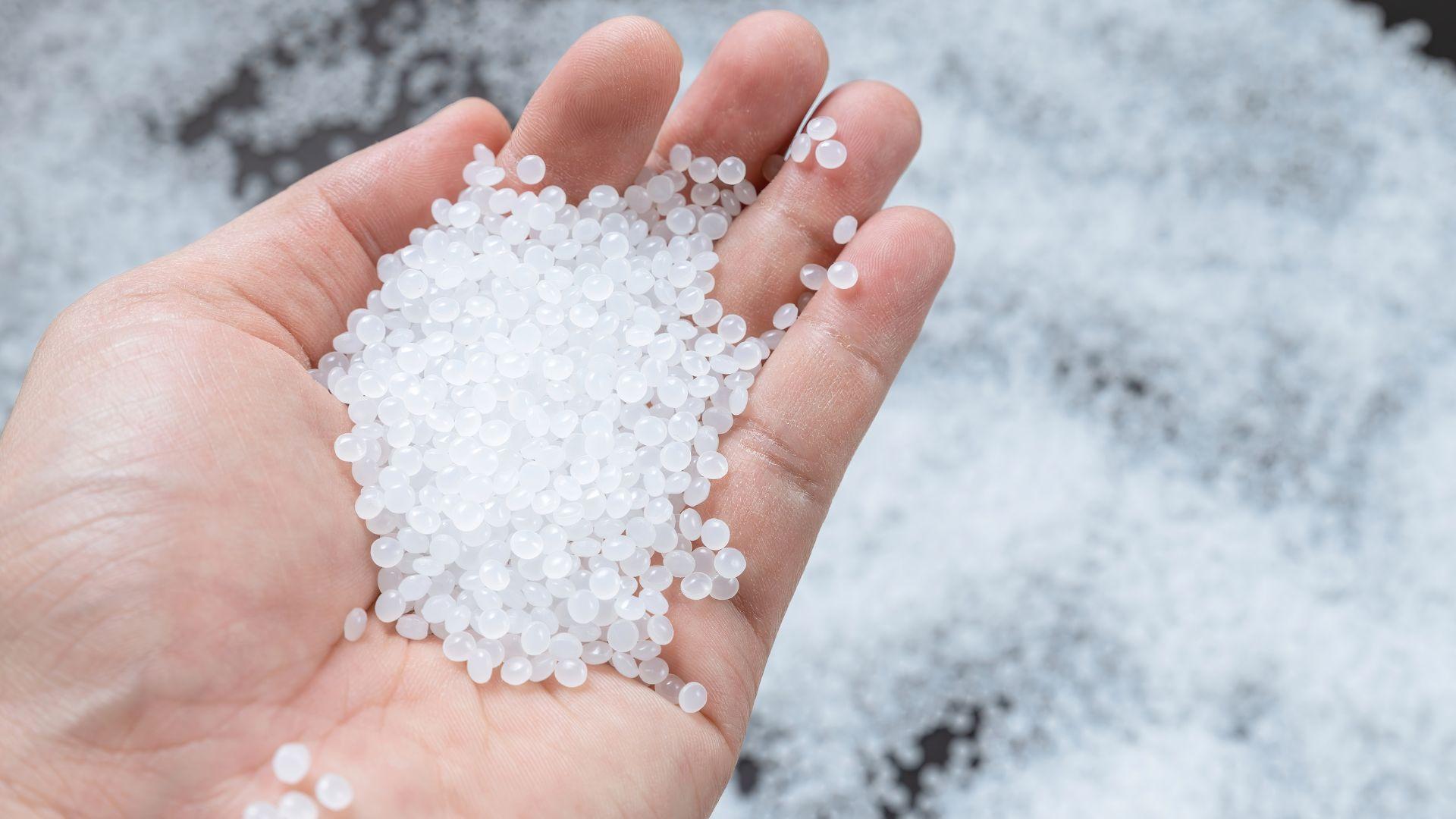
Super absorbent polymers are advanced materials capable of absorbing and retaining extremely large quantities of liquid relative to their own mass. Typically synthesized using acrylic acid and sodium hydroxide, these polymers form a gel-like structure when exposed to moisture, preventing leakage and ensuring effective fluid retention.
Their unique properties have made SAPs indispensable in products such as disposable diapers, adult incontinence products, and sanitary napkins. Beyond personal care, they are also widely used in agriculture to enhance soil moisture retention and in healthcare for wound management and surgical applications.
As global awareness around hygiene and water conservation grows, SAPs are becoming a cornerstone material across multiple industries.
Market Growth Driven by Expanding Hygiene Needs
One of the primary drivers of SAP market expansion is the increasing global demand for personal hygiene products. The widespread use of disposable diapers, feminine hygiene products, and adult incontinence solutions continues to rise due to demographic and socio-economic changes.
Aging populations in developed countries are boosting demand for adult care products, while higher birth rates in emerging economies are fueling diaper consumption. Additionally, growing awareness about hygiene and improved access to such products are encouraging consumers to shift toward higher-quality solutions.
Companies operating in the personal care segment are also innovating rapidly. For example, product advancements such as disposable period panties and high-performance absorbent materials are reshaping consumer expectations and driving repeat purchases.
Agriculture Sector Emerges as a Key Growth Engine
Beyond hygiene, agriculture is emerging as a critical growth avenue for SAPs. With increasing concerns over water scarcity and climate change, farmers are turning to innovative solutions that enhance water efficiency.
SAPs help retain soil moisture by absorbing water and gradually releasing it to plant roots. This reduces irrigation frequency and improves crop yields, particularly in arid and drought-prone regions.
Governments and agricultural organizations worldwide are promoting water-saving technologies, further accelerating SAP adoption. The introduction of biodegradable and bio-based SAPs is also aligning with sustainability goals, making these materials more attractive for eco-conscious agricultural practices.
Healthcare Industry Expands SAP Applications
The healthcare sector represents another significant growth driver for the SAP market. These polymers are widely used in wound dressings, surgical pads, and medical absorbents due to their superior fluid management capabilities.
SAPs help maintain a dry and sterile environment, reducing infection risks and improving patient comfort. As healthcare spending rises globally and surgical procedures become more frequent, the demand for SAP-based medical products is expected to increase steadily.
Additionally, ongoing research into advanced medical materials is likely to expand SAP applications further, reinforcing their importance in modern healthcare systems.
Sustainability Challenges and Industry Response
Despite their advantages, super absorbent polymers face growing scrutiny due to environmental concerns. Most conventional SAPs are derived from petrochemicals and are not biodegradable, contributing to landfill waste, particularly from disposable hygiene products.
Regulatory pressures and rising consumer awareness are pushing manufacturers to develop sustainable alternatives. Companies are investing in bio-based and biodegradable SAPs to reduce environmental impact while maintaining performance.
Innovations such as fully biodegradable polymers are expected to play a crucial role in shaping the future of the market. However, scaling these solutions cost-effectively remains a challenge.
Raw Material Price Volatility Adds Uncertainty
Another key challenge for the SAP market is the volatility of raw material prices. The production of SAPs heavily depends on petrochemical derivatives like acrylic acid, making the industry sensitive to fluctuations in crude oil prices.
Supply chain disruptions and geopolitical factors can further impact production costs and pricing strategies. For manufacturers, maintaining profitability while managing these uncertainties is becoming increasingly complex, particularly in price-sensitive markets.
Segment Insights: Sodium Polyacrylate Leads the Market
Among various types of super absorbent polymers, sodium polyacrylate dominates the market due to its superior absorption capacity, cost-effectiveness, and wide availability.
This polymer is extensively used in personal hygiene products, making it the backbone of the SAP industry. Its consistent performance and scalability ensure its continued dominance, especially as demand for disposable hygiene products rises globally.
Personal Hygiene Segment Maintains Market Leadership
The personal hygiene segment remains the largest application area for SAPs. Diapers, sanitary products, and incontinence solutions rely heavily on these polymers for their absorbent properties.
Urbanization, rising disposable incomes, and increasing health awareness are driving steady growth in this segment. As consumers demand more comfortable and efficient products, manufacturers are focusing on improving absorbency, softness, and sustainability.
Agriculture and Medical Segments Show Strong Potential
While personal hygiene leads, the agriculture and medical segments are gaining momentum. In agriculture, SAPs are supporting sustainable farming practices by improving water retention and soil quality.
In healthcare, their role in wound care and infection control is becoming increasingly important. These segments are expected to contribute significantly to future market expansion, especially as global challenges such as water scarcity and healthcare access intensify.
Technological Advancements in Production Processes
Manufacturers are adopting advanced production techniques to enhance SAP performance and efficiency. Two key methods—suspension polymerization and solution polymerization—are widely used.
Suspension polymerization is preferred for large-scale production of SAPs used in hygiene products, while solution polymerization is used for specialized applications requiring higher gel strength and absorption rates.
These technological advancements are enabling the development of customized SAPs tailored to specific industry needs.
Regional Outlook: Asia-Pacific Leads Global Growth
The Asia-Pacific region is emerging as the fastest-growing market for super absorbent polymers, driven by countries such as China and India. Rapid population growth, increasing urbanization, and rising living standards are fueling demand for hygiene and healthcare products.
India, in particular, is witnessing significant growth due to expanding awareness of hygiene, government initiatives, and increasing accessibility to personal care products. In agriculture, SAP adoption is rising as farmers seek solutions to combat water scarcity.
Meanwhile, developed regions like North America and Europe continue to show steady demand, supported by advanced healthcare systems and strong focus on sustainability.
Competitive Landscape and Key Players
The global SAP market is highly competitive, with several major players focusing on innovation, sustainability, and strategic expansion. Leading companies are investing in research and development to create high-performance and eco-friendly products.
Key industry participants include major chemical and materials companies that are continuously working to improve product quality, reduce environmental impact, and expand their global footprint.
Strategic collaborations, product launches, and technological advancements are shaping the competitive dynamics of the market.
Market Segmentation Overview
The super absorbent polymer market is segmented based on type, application, and production method.
By type, sodium polyacrylate leads, followed by polyacrylate/polyacrylamide copolymers and other variants. By application, personal hygiene dominates, with agriculture, medical, and industrial uses gaining traction.
Production methods include suspension polymerization, solution polymerization, and gel polymerization, each catering to different application requirements.
Future Outlook: Innovation and Sustainability to Define Growth
Looking ahead, the SAP market is poised for sustained growth, driven by innovation and evolving consumer needs. The development of biodegradable and bio-based polymers is expected to address environmental concerns and open new growth opportunities.
As industries continue to prioritize sustainability, companies that invest in eco-friendly solutions and advanced technologies are likely to gain a competitive edge.
Additionally, expanding applications in emerging sectors and regions will further strengthen the market’s growth prospects.
Final Thoughts
The global super absorbent polymer market is at a pivotal stage, balancing strong demand with the need for sustainable innovation. With projected growth to US$ 17.37 billion by 2033 , SAPs are set to play an increasingly vital role across industries.
From improving hygiene standards to supporting water-efficient agriculture and advancing healthcare solutions, SAPs are more than just materials—they are enablers of modern living.
However, addressing environmental challenges and raw material dependencies will be crucial for long-term success. As the industry evolves, innovation, sustainability, and adaptability will define the next chapter of growth in the super absorbent polymer market.



 About Urh Social
 Terms of Service
 Privacy Policy
 Contact

 English
 Arabic
 French
 Spanish
 Portuguese
 Deutsch
 Turkish
 Dutch
Dutch
 Italiano
 Russian
 Portuguese (Brazil)
 Greek
Greek
