


 About Urh Social
 Terms of Service
 Politique de confidentialité
 Contact
How to Teach English Online in 2026: A Step-by-Step Guide with 7 Platforms and Resources
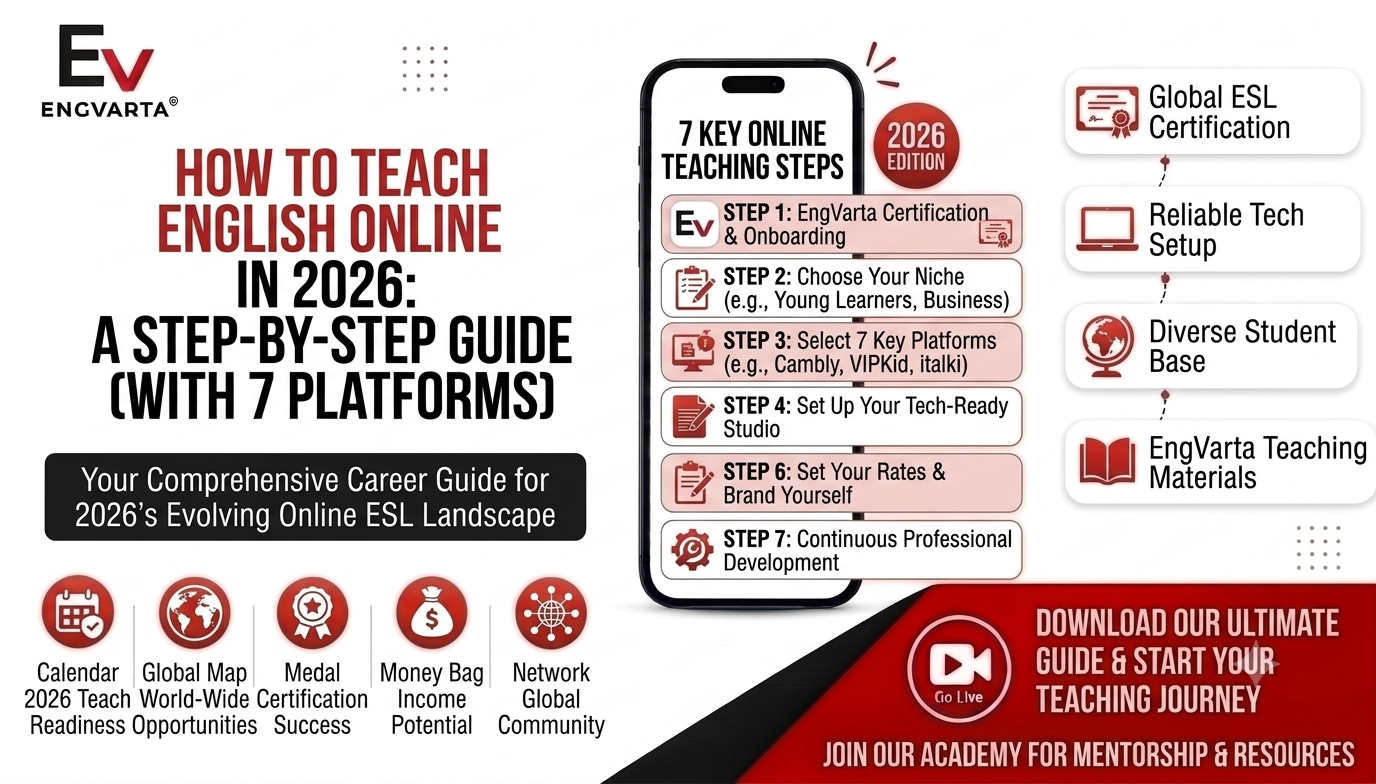
Teaching English online in 2026 offers opportunities for Indian graduates, working professionals, freelancers, and experienced educators who want flexible work arrangements. Online ESL platforms make it possible to connect with students worldwide without relocating or working in a traditional classroom. However, choosing the right Teach english online best resources platforms requires understanding qualifications, teaching methods, payment policies, and student expectations. Whether you are a fresher or an experienced tutor, this guide explains how to get started, prepare your teaching setup, find students, compare seven relevant platforms, and develop the skills needed to become an effective online English teacher.
1. Why Teach English Online in 2026?
English communication skills are important for international education, employment, business, and professional development. As more learners seek personalised instruction, online English teaching provides opportunities for educators with different backgrounds.
Some important advantages include:
-
Work remotely: Teach from home using a computer and an internet connection.
-
Flexible schedules: Choose part-time or full-time teaching opportunities, depending on platform requirements.
-
International students: Connect with learners from different countries and cultures.
-
Specialisation: Teach conversational English, business communication, IELTS preparation, or interview skills.
-
Freelance opportunities: Build an independent tutoring profile and develop long-term student relationships.
Indian teachers can explore both domestic and international opportunities. However, platform eligibility, payment arrangements, and recruitment policies vary.
Online English teaching is also becoming increasingly communication-focused. Students often want to speak confidently in interviews, meetings, and everyday situations rather than simply learn grammar rules. Teachers who combine language knowledge with practical speaking activities can provide more relevant learning experiences.
2. What Do You Need to Teach English Online?
Before applying, understand the qualifications and technical requirements that online ESL platforms may expect.
Educational qualifications
A bachelor's degree in English or education can strengthen your profile, but not every platform requires one. Some tutoring marketplaces assess communication skills and teaching ability instead.
TEFL, TESOL, and CELTA certifications
These qualifications help teachers develop professional teaching skills.
-
TEFL: Teaching English as a Foreign Language, generally focused on teaching English to learners in non-English-speaking countries.
-
TESOL: Teaching English to Speakers of Other Languages, covering English instruction for non-native speakers in different settings.
-
CELTA: Certificate in Teaching English to Speakers of Other Languages, a practical teaching qualification awarded by Cambridge English.
Some language schools require recognised teaching certificates, while independent tutoring marketplaces may accept applicants without them.
Essential skills and equipment
You should have:
-
Strong spoken and written English.
-
Clear pronunciation and communication skills.
-
Basic grammar and vocabulary knowledge.
-
Lesson-planning and student-management abilities.
-
A laptop or desktop with a webcam and microphone.
-
Reliable internet and a quiet teaching environment.
Previous teaching experience is useful but not universally compulsory. Requirements depend on the platform, student category, and teaching position.
3. How to Teach English Online: A Step-by-Step Guide
If you are a beginner, follow these eight steps to prepare for your first online teaching opportunity.
Step 1: Assess Your English Proficiency
Evaluate your grammar, vocabulary, listening, pronunciation, and speaking skills. You should be able to explain concepts clearly and communicate comfortably with students.
Practise explaining everyday topics in simple English. Record yourself speaking and identify areas that need improvement.
Step 2: Understand the Qualifications You Need
Research the requirements of your preferred platforms. If you have no teaching experience, consider a credible TEFL or TESOL course.
Certification is not mandatory everywhere, but it can improve your knowledge of lesson planning, classroom management, and language instruction.
Step 3: Choose Your Target Students
Decide whom you want to teach.
Potential student groups include:
-
Children learning basic English.
-
School and college students.
-
Adult beginners.
-
Working professionals.
-
Business English learners.
-
Students preparing for examinations and interviews.
Choosing a target audience helps you prepare relevant lessons and build a focused tutor profile.
Step 4: Select the Right Teaching Platform
Compare platforms based on eligibility, commissions, payment methods, student demand, and scheduling flexibility.
Do not select a platform simply because it advertises attractive earnings. Understand its business model and recruitment requirements first.
Step 5: Create a Professional Tutor Profile
Your profile should explain your qualifications, teaching experience, specialisation, and approach to lessons.
If required, record a short introduction video. Speak naturally, use clear audio, and explain how you can help students achieve their learning goals.
Step 6: Arrange Your Online Teaching Setup
Prepare your laptop, webcam, headset, stable internet, and suitable lighting. Test your equipment before attending an interview or demonstration lesson.
A professional, distraction-free workspace helps create a better learning environment.
Step 7: Prepare Your First English Lesson
Create a simple lesson structure containing:
-
A short introductory conversation.
-
A topic-specific vocabulary activity.
-
A grammar or pronunciation explanation.
-
A practical speaking exercise.
-
Feedback and a short revision task.
For example, a lesson on job interviews could include common interview questions, useful vocabulary, and a mock interview.
Step 8: Start Teaching and Improve
After your first lessons, collect genuine student feedback. Identify recurring mistakes, adjust your explanations, and improve your teaching materials.
Building a successful tutoring profile requires preparation, consistency, and an understanding of individual student needs.
4. 7 Best Online English Teaching Platforms and Resources in 2026
The following seven options serve different purposes. Six provide tutoring or structured teaching opportunities, while EngVarta is primarily a learner-focused spoken-English practice service.
1. EngVarta – Best Supplementary Resource for Spoken-English Practice
Category: Spoken-English learning platform, not a teacher recruitment marketplace
EngVarta helps learners develop spoken-English confidence through live, one-to-one audio conversations with TESOL/ESL-certified English Experts.
Its relevance to online teachers lies in understanding common learner difficulties. Students may know grammar and vocabulary but struggle to respond naturally during interviews, meetings, and everyday conversations.
Key features:
-
Real-time English conversation practice.
-
Feedback on grammar, vocabulary, and pronunciation.
-
Practical communication activities.
-
Opportunities to develop speaking confidence.
-
Session recordings and learning assignments.
Limitations: EngVarta is a paid learning service, not an employment platform where individuals register to earn money teaching English.
Best for: English learners seeking regular conversational practice and aspiring teachers interested in understanding practical speaking difficulties.
2. Preply – Best for Independent Online Tutors
Category: International tutoring marketplace
Preply connects independent tutors with students worldwide.
Eligibility: A formal teaching certificate or previous experience is not universally required. Applicants must be at least 18 and satisfy profile and application requirements.
Application: Create a tutor account, upload a professional photograph, provide education and certification details, write a profile description, record an introduction video, and set availability.
Payment: Tutors set their own prices. Preply charges 100% commission on a new student's trial lesson, with subsequent lesson commissions ranging from 18% to 33%.
Advantages: International student access, flexible scheduling, and personalised teaching.
Limitations: Competition for students and trial-lesson commissions can affect earnings.
Best for: Indian graduates, beginners, and experienced independent tutors.
3. Cambly – Best for Conversational English Teaching
Category: Conversation-based tutoring
Cambly connects English learners with native English-speaking tutors for individual conversations.
Eligibility: Applicants must be native English speakers aged 18 or older. A degree, teaching certificate, and previous teaching experience are not mandatory.
Payment: Cambly advertises $10.20 per hour for standard tutoring and $12 per hour for Cambly Kids, with weekly payments through supported methods.
Advantages: Flexible schedules and an emphasis on practical communication.
Limitations: Its native-speaker requirement makes it unsuitable for most non-native Indian applicants. Cambly is also temporarily limiting new tutor intake.
Best for: Eligible native English speakers interested in flexible conversational tutoring.
4. italki – Best for Personalised Language Lessons
Category: Independent language tutoring marketplace
italki connects learners with independent language instructors.
It distinguishes between Professional Teachers, who generally need relevant teaching credentials, and Community Tutors, who focus on conversational practice under a different eligibility framework.
Application: Applicants submit a teacher application when recruitment is open for their language. Requirements depend on the teacher category.
Payment: Teachers generally set their lesson prices, with applicable platform fees and withdrawal policies.
Advantages: Individual lessons, international learners, and opportunities to specialise in business or conversational English.
Limitations: English-language recruitment availability can change, and building a regular student base takes time.
Best for: Qualified ESL professionals and proficient English speakers interested in personalised tutoring.
5. AmazingTalker – Best for Specialised Independent Tutoring
Category: Online language tutoring marketplace
AmazingTalker offers personalised language lessons, including English.
Eligibility: Applicants are assessed on their language proficiency and teaching suitability. Relevant experience and qualifications can strengthen an application.
Application: Create an account, follow the teacher application instructions, and complete the required selection and onboarding process.
Payment: Tutors establish their lesson prices. Platform fees and teacher-level arrangements apply, so check the current agreement.
Advantages: Flexible scheduling, individual lessons, and opportunities to specialise in business or conversational English.
Limitations: Tutors need to attract students and maintain competitive profiles. New teachers may also be subject to pricing restrictions.
Best for: Experienced tutors interested in building an independent online teaching business.
6. Native Camp – Best for Flexible Online Tutoring
Category: Online English tutoring platform
Native Camp provides online English lessons to international students.
Eligibility: Its home-based tutor route does not universally require a teaching certificate or previous experience. Applicants must meet its age, English proficiency, and technical requirements.
Application: The process includes registration, an equipment check, English proficiency and AI speaking tests, online self-learning, and a demonstration lesson.
Payment: Tutor fees depend on the applicable teacher rank. Exact payment arrangements are provided during recruitment and contracting.
Advantages: Flexible schedules, online training, and an accessible entry route for aspiring tutors.
Limitations: Earnings and lesson availability vary, and applicants must pass the assessment process.
Best for: Beginners and proficient English speakers looking for flexible tutoring opportunities.
7. Lingoda – Best for Experienced ESL Teachers
Category: Structured online language school
Lingoda provides structured online classes for adult learners, using CEFR-aligned learning materials.
Eligibility: Its published requirements include C2-level proficiency, a recognised teaching certificate for the language taught, and at least two to three years of teaching experience.
Application: Apply online, attend an interview if invited, and complete onboarding.
Payment: Teachers work as freelancers. A universal hourly payment rate is not publicly specified.
Advantages: Prepared learning materials, small-group lessons, international students, and flexible class selection.
Limitations: Its experience and qualification requirements make it less suitable for freshers.
Best for: Experienced ESL professionals seeking structured online teaching work.
5. How Much Can You Earn Teaching English Online?
Online teaching income depends on your experience, qualifications, student bookings, teaching hours, and platform commissions.
The main earning factors include:
-
Tutor-set prices: Marketplaces such as Preply allow teachers to decide their lesson rates.
-
Platform commissions: Fees reduce the amount received from each completed lesson.
-
Teaching experience: Experienced tutors may be able to charge higher prices.
-
Student demand: Your subject specialisation and profile can influence bookings.
-
Lesson format: Group lessons and individual classes have different payment arrangements.
For example, Cambly publishes an advertised standard tutoring rate of $10.20 per hour. Preply allows tutors to set their prices but deducts commission.
These figures are not guaranteed monthly salaries. Indian tutors should also consider currency conversion, payment withdrawal charges, preparation time, and applicable tax obligations.
6. Best Resources and Tools for Online English Teachers
Good teaching materials make online lessons more engaging and effective.
Lesson-planning resources
The British Council TeachingEnglish website provides free lesson plans, classroom activities, articles, and professional development resources.
Grammar and vocabulary resources
Use:
-
Cambridge Dictionary for definitions and pronunciation.
-
Oxford Learner's Dictionaries for vocabulary and example sentences.
-
British Council LearnEnglish for grammar and listening activities.
Digital teaching tools
-
Zoom and Google Meet for online classes.
-
Google Docs for collaborative writing.
-
Canva for lesson presentations.
-
Quizlet for vocabulary practice.
AI-powered teaching tools
ChatGPT can help generate discussion topics, grammar exercises, vocabulary quizzes, and role-play scenarios. Always review AI-generated material for accuracy and suitability.
Spoken-English practice resources
Teachers should include practical speaking activities such as mock interviews, group discussions, presentations, and everyday role-plays.
EngVarta can serve as a supplementary learner-focused resource for understanding the importance of regular conversations, real-time corrections, and speaking confidence. Its approach illustrates why communication practice should complement grammar and vocabulary instruction.
7. Tips to Become a Successful Online English Teacher in 2026
-
Develop a clear teaching niche.
-
Create a professional profile and introduction video.
-
Prepare structured and interactive lessons.
-
Encourage students to speak more during classes.
-
Focus on practical communication, not grammar alone.
-
Be punctual and maintain consistent availability.
-
Adapt lessons to individual learning needs.
-
Collect genuine student feedback.
-
Understand platform payment and cancellation policies.
-
Continue improving your teaching and digital skills.
One useful strategy is to set a measurable objective for every lesson. For example, a student preparing for an interview should finish the session having practised answering several relevant questions with greater clarity.
Conclusion
Starting an online English teaching career in 2026 involves several practical steps: assessing your language proficiency, understanding certification requirements, choosing a target audience, selecting a suitable platform, and preparing engaging lessons.
Preply and AmazingTalker offer independent tutoring opportunities, Native Camp provides a flexible application route, and Lingoda suits experienced educators. Cambly is an option for eligible native English speakers, while italki offers different categories of language instruction.
However, becoming a successful online teacher requires more than joining a platform. Strong communication, thoughtful lesson planning, consistency, and continuous professional development are essential.
For additional insight into spoken-English development, EngVarta is a useful supplementary resource that highlights the importance of real-time conversations, practical feedback, and regular speaking practice.
8. Frequently Asked Questions
1. How can I start teaching English online in 2026?
Assess your English proficiency, choose a target student group, and research suitable platforms. Consider TEFL or TESOL certification if needed. Prepare a professional profile, arrange your teaching equipment, complete the application process, and start delivering structured lessons after approval.
2. Can I teach English online without a teaching certificate?
Yes. Platforms such as Preply and Native Camp do not universally require a formal teaching certificate. However, structured language schools such as Lingoda have stricter requirements. A recognised certification can improve your teaching knowledge and professional credibility.
3. Can Indians teach English online to international students?
Yes. Indian applicants can explore international tutoring marketplaces such as Preply and other platforms, subject to current recruitment and location requirements. Before applying, check eligibility, accepted payment methods, currency conversion charges, and applicable tax obligations.
4. Can non-native English speakers become online English teachers?
Yes. Several platforms accept proficient non-native English speakers. Preply and Native Camp are potential options, while Cambly specifically requires native English speakers. Some employers also require recognised teaching certificates and previous experience.
5. Which platforms are suitable for beginner online English teachers?
Preply and Native Camp are worth considering because their tutor routes do not universally require previous teaching experience or formal teaching certificates. However, both have application and screening requirements. Beginners should develop their communication and lesson-planning skills before applying.
6. How much can I earn teaching English online from India?
Income varies according to teaching hours, student bookings, qualifications, platform commissions, and lesson prices. Some platforms publish advertised rates, while others allow tutors to set their own. Actual monthly earnings are not guaranteed and can fluctuate.

 English
 Arabic
 Spanish
 Portuguese
 Deutsch
 Turkish
 Dutch
 Italiano
 Russian
 Romaian
 Portuguese (Brazil)
 Greek
