


 About Urh Social
 Terms of Service
 Política de privacidade
 Contact
Why Sialkot Remains a Major Hub for Surgical Instruments
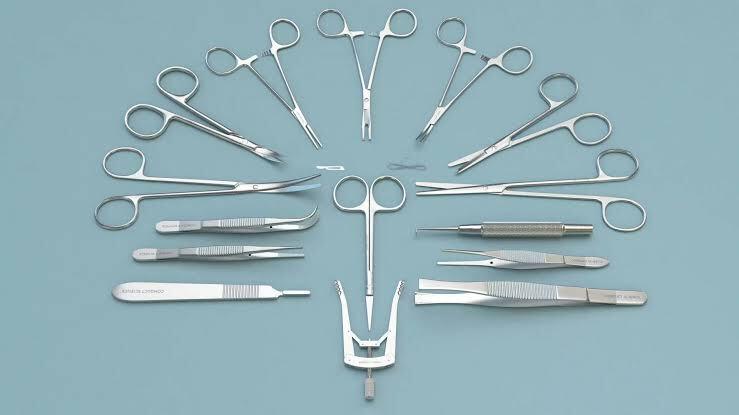
Sialkot has been associated with surgical instrument manufacturing for well over a century, and the industry there has developed a reputation that reaches far beyond Pakistan. Buyers sourcing instruments internationally often look for a surgical instruments manufacturer in sialkot because the region combines skilled handwork with an established supply chain.
A Craft Tradition That Still Matters
Much of the industry began as small-scale craftsmanship, with families passing techniques from one generation to the next. That tradition still shows in the finishing and assembly of many instruments, where hand work complements machine production. The result is a manufacturing base that handles both high-volume orders and smaller, specialised requirements.
Today, Sialkot-based manufacturers produce a wide range of instruments — general surgery sets, dental tools, orthopaedic instruments, ophthalmic items, and veterinary equipment among them.
Manufacturing Process and Quality Control
Producing a reliable surgical instrument involves more than cutting and shaping steel. The typical process includes forging or machining, heat treatment, grinding, polishing, assembly, and finishing.
Quality control is what separates consistent manufacturers from inconsistent ones. Key checkpoints usually include:
-
Verification of raw material grade
-
Hardness and corrosion resistance testing
-
Dimensional accuracy of jaws, tips, and hinges
-
Smoothness of finish and freedom from burrs
-
Function testing of ratchets and locking mechanisms
-
Final inspection before packing
Manufacturers who document these steps and can provide material or inspection records are generally easier to work with for buyers who need repeatable quality.
Material Choices and Their Implications
Stainless steel remains the standard for reusable instruments, with different grades suited to different applications. Some manufacturers also work with titanium for lightweight or specialty instruments. The grade selected affects durability, corrosion resistance, and cost, so buyers should confirm material specifications rather than assuming them.
Working With a Manufacturer Directly
Buying directly from a manufacturer has practical advantages — clearer communication about specifications, the option of customisation, and better pricing on volume orders. It also means the buyer should be more specific about requirements.
Useful information to provide when enquiring:
-
Instrument names or catalogue references
-
Required material grade
-
Quantity and delivery timeline
-
Packaging and labelling requirements
-
Any certification or documentation needed
Clear requirements reduce the chance of receiving items that do not match expectations.
Common Considerations for International Buyers
Overseas buyers typically look at documentation, packing standards, and consistency across repeat orders. Samples before full production are common practice, as is agreeing on inspection criteria upfront. Manufacturers accustomed to export work usually have processes in place for these steps.
Final Thoughts
Sialkot's manufacturing base offers a combination of craftsmanship, capacity, and cost that continues to attract buyers worldwide. Choosing a manufacturer with documented quality control and clear communication usually matters more than chasing the lowest quote. Readers who enjoy connecting with others and sharing updates online can also explore Urh Social.

 English
 Arabic
 French
 Spanish
 Portuguese
 Deutsch
 Turkish
 Dutch
Dutch
 Italiano
 Russian
 Romaian
 Greek
Greek
