


 About Urh Social
 Terms of Service
 Πολιτική Ιδιωτικότητας
 Contact
Property Appreciation in Dubai Explained
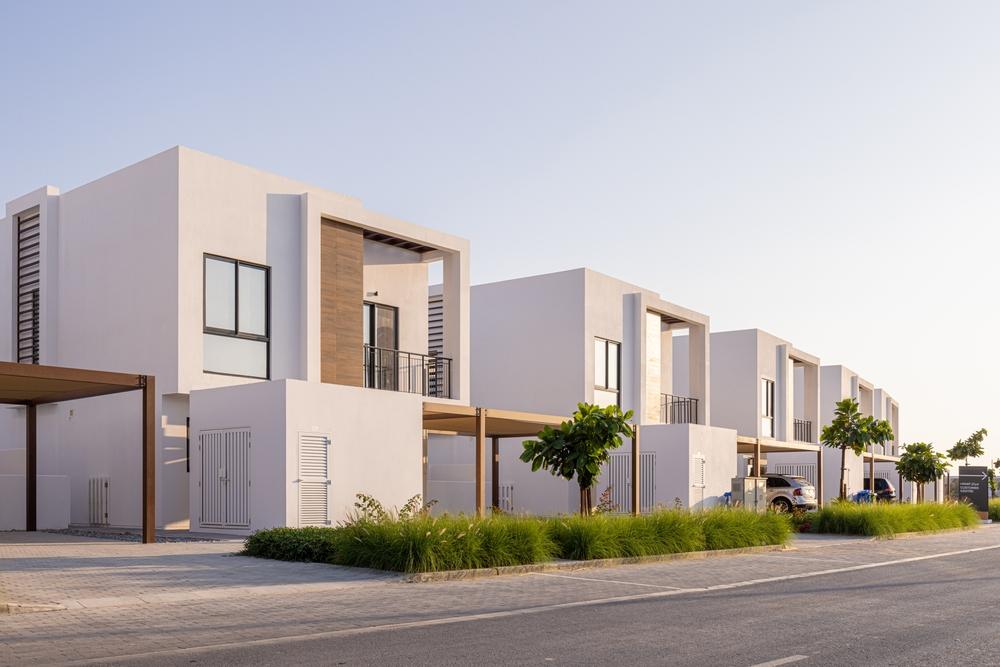
Dubai's property market keeps attracting buyers who want more than just a home. They want growth. But what actually makes a property's value rise here, and how fast does it really happen? This guide breaks it down in plain language, backed by real market data, so you can make a smart decision instead of a guess.
What Does Property Appreciation Actually Mean?
Property appreciation is simply the rise in a property's market value over time. If you buy a unit for AED 1 million and it's worth AED 1.2 million two years later, that's a 20% appreciation. It differs from rental yield, which is the income you earn from renting the property out. Smart investors track both, since capital growth and rental income together decide your total return on investment.
Why Dubai Appreciates Differently Than Other Cities
Dubai offers a rare mix of advantages that most global cities can't match. The emirate charges zero property tax and no capital gains tax, so your profit stays entirely yours. Foreign buyers can own property outright in designated freehold zones, and long term residency visas are often tied directly to property investment. On top of this, the population keeps growing quickly, which keeps housing demand strong across almost every segment. This combination is why global investors treat Dubai as a serious wealth building destination rather than just a lifestyle purchase.
The Real Drivers Behind Rising Property Values
Appreciation doesn't happen randomly. A handful of forces push prices up or hold them steady, and understanding each one helps you read the market instead of guessing at it.
Supply and Demand Imbalance
Land in prime locations is limited. When more people want to buy than there are units available, prices climb naturally. This is especially true in established neighborhoods close to business hubs and the coastline, where new land simply isn't available to ease the pressure.
Infrastructure and Government Investment
New metro lines, road networks, and major projects such as the Al Maktoum Airport expansion increase the appeal of surrounding communities. Areas near upcoming infrastructure often see the fastest price jumps well before construction even finishes, since buyers try to get in early.
Economic Diversification
Dubai's economy no longer leans on a single sector. Tourism, trade, finance, and technology all contribute meaningfully, which keeps demand for housing steady even when global markets wobble elsewhere.
Developer Activity and Off Plan Growth
Property developers in Dubai launch new projects constantly, and early buyers of off plan units often benefit the most. Prices typically rise in stages as construction progresses, so buying early can mean stronger appreciation by the time the property is handed over.
Appreciation by Property Type and Location
Not every property appreciates at the same pace. The market has become far more selective in recent years, and understanding this segmentation matters more than ever before.
Prime and Waterfront Areas
Locations like Palm Jumeirah and Downtown Dubai see steady, single digit annual growth. These areas are already established, so gains tend to be consistent but not explosive.
Emerging Communities
Neighborhoods such as Dubai South and Jumeirah Village Circle often show stronger percentage growth, since they start from a lower base and benefit from new infrastructure and greater affordability.
Mid Market Segment
This segment faces more competition and occasional price corrections due to higher supply. Buyers here should research an area's handover pipeline carefully before committing to a purchase.
Off Plan vs Ready Properties
Off plan units usually cost less upfront and can appreciate faster during the construction phase. Ready properties offer immediate use and rental income, with steadier and more predictable growth over time. Your choice really depends on whether you prioritize speed of appreciation or immediate cash flow.
How Rental Demand Connects to Appreciation
A rising rental market is often an early signal of future price growth. When more tenants compete for properties for rent in a specific area, landlords raise rents, and buyers take notice of that shift. This growing demand eventually pushes purchase prices upward too. That is why tracking rental trends alongside sales prices gives a fuller and more accurate picture of where appreciation is headed next.
How to Evaluate a Property's Appreciation Potential
Before buying, it helps to check the area's price history over the last three to five years and to research the developer's track record and delivery timelines carefully. It also pays to look at planned infrastructure or transport links nearby, since these often signal where growth is heading next. Comparing current rental demand for similar units in the area gives you another useful data point, and it is generally wise to avoid areas with an oversupply of similar, generic unit types. Working with a knowledgeable local partner such as Hamilton Key Real Estate can simplify this entire process, since local expertise helps you separate genuinely promising areas from overhyped ones.
Risks Worth Knowing About
Appreciation isn't guaranteed everywhere. Oversupplied mid market segments can see short term price corrections, and off plan projects sometimes face delivery delays that affect your expected timeline. Speculative buying, without genuine end user demand behind it, also tends to create more volatile pricing. A well researched purchase, guided by real data rather than hype, protects you from most of these risks.
Final Thoughts
Dubai's property market has matured. Instead of blanket price growth across the whole city, appreciation now depends heavily on location, property type, and timing. Buyers who research thoroughly, whether they're searching properties for rent to gauge demand or exploring new launches from top property developers in Dubai, put themselves in a far stronger position than those chasing headlines alone. A team like Hamilton Key Real Estate can help you match your goals with the right opportunity in this evolving market.
Frequently Asked Questions
1. How much do properties appreciate in Dubai each year?
It varies by area, but many established locations see steady single digit annual growth, while emerging communities can see higher percentage gains.
2. Is Dubai real estate still a good investment right now?
Yes, for buyers who research specific areas carefully. The market has shifted from broad growth to selective growth, so location and property type matter more than before.
3. Which areas appreciate fastest in Dubai?
Emerging communities near new infrastructure, such as those close to upcoming transport links, often show the strongest percentage growth, though prime waterfront areas remain more stable in the long term.
4. Should I buy off plan or ready property for better appreciation?
Off plan units can appreciate faster during construction, while ready properties offer steadier and more predictable growth along with immediate rental income.
5. Does Dubai property ever lose value?
Yes, particularly in oversupplied mid market segments. Researching supply levels and developer reliability before buying helps reduce this risk significantly.

 English
 Arabic
 French
 Spanish
 Portuguese
 Deutsch
 Turkish
 Dutch
Dutch
 Italiano
 Russian
 Romaian
 Portuguese (Brazil)
