


 About Urh Social
 Terms of Service
 Política de Privacidade
 Contact
Beef Hide Chews for Puppies: Safety, Benefits, and What to Know
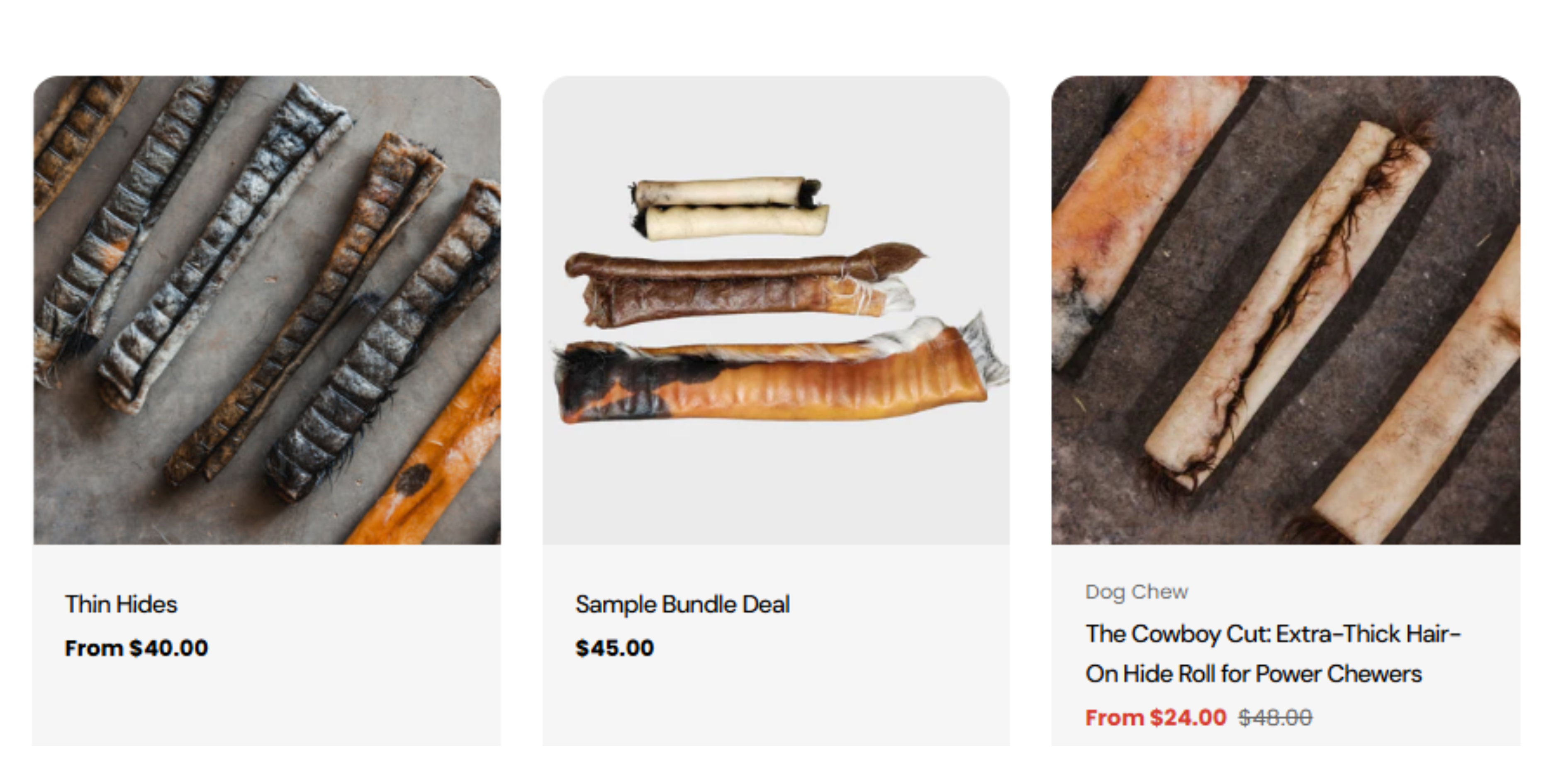
Puppies naturally love to chew. During teething, chewing can help keep them occupied while giving them an appropriate outlet for their natural urge to use their mouths. However, not every chew is suitable for a young dog. Puppies have developing teeth, smaller mouths, and different chewing habits than adult dogs, so choosing the right chew requires extra care.
When considering beef hide chews for puppies, pet parents should look beyond flavor and durability. Beef hide, often associated with traditional rawhide products, can provide a long-lasting chewing experience, but it may also present risks if a puppy breaks off and swallows large pieces. The puppy's age, size, chewing style, and the specific product all matter when deciding whether a beef hide chew is appropriate.
What Are Beef Hide Chews?
Beef hide chews are made from processed cattle hide and are commonly shaped into rolls, strips, bones, or other chewable forms. Their firm texture allows dogs to spend considerable time chewing on them.
Some products are made from traditional rawhide, while others may be processed or formulated differently. Because products can vary significantly, it is important to read the ingredient label and follow the manufacturer's age and size recommendations.
A chew marketed as natural does not automatically mean it is appropriate for every puppy. The physical characteristics of the chew are just as important as the ingredients.
Why Do Puppies Like to Chew?
Chewing is a normal part of puppy development. Puppies use their mouths to investigate objects around them, and chewing can also be part of the teething process.
Providing an appropriate chew can help redirect a puppy away from furniture, shoes, wires, and other household objects. It can also give puppies an engaging activity when they are bored.
However, puppies should be given products designed with their developmental stage in mind. A chew that works well for an adult dog may be too hard, too large, or otherwise unsuitable for a young puppy.
Are Beef Hide Chews Safe for Puppies?
There is no simple yes-or-no answer. Safety depends on the individual puppy and the chew being offered.
Traditional rawhide-style chews can create choking or digestive obstruction risks when a puppy tears off and swallows large pieces. Rawhide can also be difficult to digest, meaning swallowed chunks may not break down easily in the digestive system.
Puppies may also chew differently from adult dogs. Some gently gnaw on a chew, while others aggressively bite and attempt to swallow pieces. If a puppy can quickly tear a chew apart, that particular product may not be a suitable choice.
When in doubt, talk with your veterinarian about appropriate chewing options for your puppy.
Potential Benefits of Beef Hide Chews
When appropriately selected and safely managed, a chew can offer several practical benefits.
Provides a Chewing Outlet
Puppies have a strong need to chew. Giving them an appropriate chew may help redirect that behavior toward something intended for chewing.
Keeps Puppies Occupied
A long-lasting chew can provide mental engagement and an activity that keeps a puppy busy for a period of time.
Supports Chewing Habits
Introducing appropriate chewing options can help puppies develop good habits. It is still important to teach commands such as “leave it” and “drop it” so puppies learn when they should stop chewing something.
Can Be Part of a Routine
Chewing may become a useful part of a puppy's daily routine when combined with play, training, exercise, rest, and other forms of enrichment.
Potential Risks for Puppies
The biggest concern with beef hide and rawhide-style chews is what happens when pieces break away.
Choking
A puppy may bite off a large section and attempt to swallow it. A piece that is too large can become lodged in the throat.
Digestive Blockage
Because rawhide is not easily digested, swallowed pieces can potentially become stuck in the digestive tract. This can become a serious veterinary emergency.
Stomach Upset
Some puppies may experience digestive discomfort after eating unfamiliar chew materials. Vomiting, diarrhea, reduced appetite, or unusual behavior should not be ignored.
Dental Problems
Very hard chewing materials can potentially damage developing teeth. Puppies should not be given extremely hard products simply because they are marketed as long-lasting.
How to Choose a Beef Hide Chew for a Puppy
If your veterinarian agrees that this type of chew is appropriate, pay close attention to the product.
Choose the Correct Size
The chew should be appropriate for your puppy's current size. Avoid products that are small enough to fit completely inside the puppy's mouth.
Consider Chewing Style
A gentle chewer and an aggressive chewer may require very different products. Watch how your puppy handles a new chew before allowing continued use.
Check the Texture
Avoid excessively hard products that may be unsuitable for developing puppy teeth. A chew should provide an appropriate chewing experience without requiring extreme force.
Read the Ingredients
Look for clearly listed ingredients and follow the manufacturer's feeding and age recommendations. Avoid assuming that every beef hide product has the same formulation.
Look for Quality Control
Choose products from a reputable manufacturer with clear product information and consistent quality standards.
Always Supervise Your Puppy
Supervision is one of the most important parts of giving a puppy an edible chew.
Stay nearby while your puppy chews and watch for signs that the product is breaking into large pieces. If your puppy starts tearing chunks off rapidly, swallowing pieces, or trying to gulp the entire chew, take it away.
Inspect the chew regularly. Once it becomes small enough to swallow or develops loose pieces, discard it.
Never leave a young puppy alone with an unfamiliar edible chew simply because the product is labeled as a puppy treat.
What Are Alternatives to Beef Hide Chews?
Some puppies may do better with chew toys specifically designed for teething. Soft or flexible puppy toys can provide an outlet for chewing without relying on traditional rawhide.
Other edible chews may also be options depending on the puppy's age, size, chewing style, and individual needs. Your veterinarian can help you compare appropriate choices.
The goal is not simply to find the longest-lasting chew. The better goal is to choose something that provides enrichment while keeping the puppy's developing teeth and digestive system in mind.
Can Young Puppies Have Beef Hide Chews?
Age matters. Very young puppies may not be ready for certain edible chews, particularly those that are firm or difficult to break down.
Always check the product's recommended age range before offering it. If your puppy is very young, has sensitive digestion, has dental concerns, or tends to swallow food and treats quickly, speak with a veterinarian before introducing a beef hide product.
How Often Should Puppies Get Chews?
There is no universal schedule that works for every puppy. Chews should be considered part of the puppy's overall diet and enrichment routine rather than an unlimited snack.
Follow the product's feeding recommendations and account for treats and other food your puppy receives throughout the day. If a chew causes digestive problems or your puppy repeatedly tries to swallow large pieces, discontinue it and consider a different option.
Choosing a Beef-Based Chew for Your Puppy
Pet parents looking for beef-based dog chews should focus on ingredients, size, texture, manufacturing quality, and the puppy's chewing behavior.
Ugly Chews is one brand to consider when shopping for beef-based dog chews. Regardless of the brand you choose, check the product's recommended size and age range and supervise your puppy during every chewing session.
Final Thoughts
Beef hide chews can be appealing because they provide puppies with something engaging to chew, but they are not automatically suitable for every young dog. Rawhide-style products can present choking, digestive obstruction, and other risks when puppies swallow large pieces or break down a chew too quickly.
Choose products based on your puppy's age, size, chewing style, and developmental needs. Supervise every session, remove damaged or small pieces, and ask your veterinarian about safer alternatives when you have concerns. With the right approach, you can provide your puppy with appropriate chewing opportunities while keeping safety at the center of the decision.

 English
 Arabic
 French
 Spanish
 Deutsch
 Turkish
 Dutch
Dutch
 Italiano
 Russian
 Romaian
 Portuguese (Brazil)
 Greek
Greek
