The blockchain investment space has expanded beyond cryptocurrencies into a broader ecosystem that includes real-world assets (RWAs) such as real estate, commodities, invoices, bonds, art, and infrastructure projects. Real World Asset (RWA) tokenization services act as the bridge between traditional finance and blockchain-based systems by converting tangible and intangible assets into digital tokens. These services are making it significantly easier for individuals, institutions, and businesses to enter the blockchain investment space without requiring deep technical expertise or direct blockchain infrastructure development.
Understanding Real World Asset Tokenization
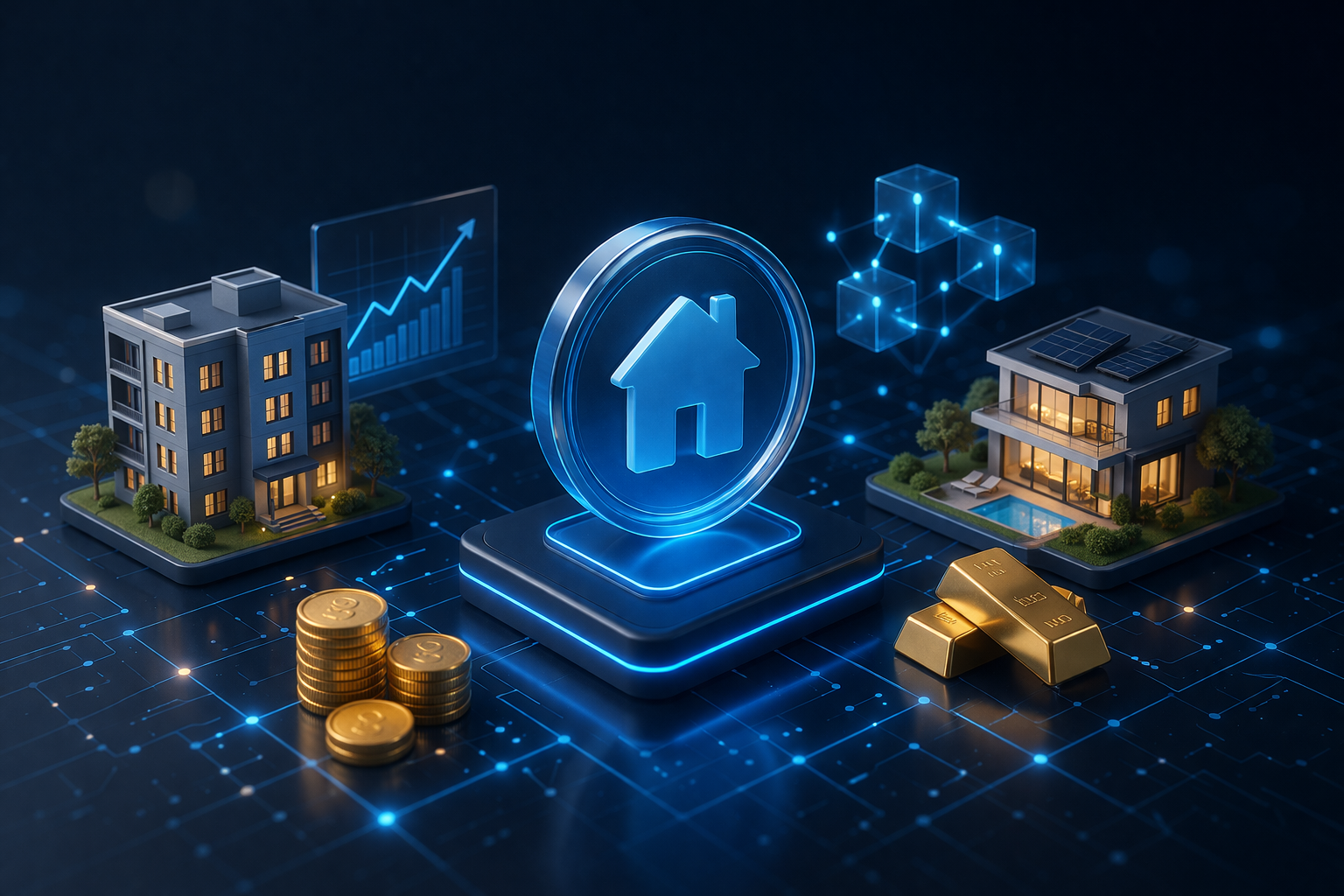
Real World Asset tokenization is the process of representing ownership rights of physical or financial assets as digital tokens on a blockchain network. Each token represents a fraction or full claim over the underlying asset, enabling investors to buy, sell, and trade assets in a digital environment.
For example, a commercial building, a government bond, or even a shipment invoice can be tokenized and represented on blockchain platforms such as Ethereum or Polygon. These tokens can then be managed through smart contracts, ensuring transparency, automation, and traceability.
RWA tokenization services simplify this process by handling the technical, legal, and operational complexities involved in converting traditional assets into blockchain-based investment instruments.
1. Lowering Barriers to Entry for Blockchain Investment
One of the most significant ways RWA tokenization services help investors enter the blockchain space is by lowering entry barriers. Traditionally, investing in high-value assets like real estate or private equity required substantial capital, regulatory approvals, and intermediaries.
Tokenization breaks these barriers by enabling fractional ownership. Investors can purchase small portions of high-value assets through tokens, making previously inaccessible markets available to retail and mid-level investors. This democratization allows more participants to enter blockchain-based investment ecosystems without needing large upfront capital.
2. Simplifying Technical Complexity
Blockchain investment often appears complex due to wallets, smart contracts, private keys, and decentralized protocols. RWA tokenization services abstract this complexity by providing user-friendly platforms that manage backend blockchain operations.
Investors do not need to understand coding or blockchain architecture. Instead, they interact with simple dashboards where they can view assets, purchase tokens, track returns, and manage portfolios. This simplified experience makes blockchain investing accessible to a much wider audience.
3. Expanding Access to Diverse Asset Classes
RWA tokenization services open the door to a wide range of investment opportunities beyond cryptocurrencies. Investors can gain exposure to tokenized:
- Real estate properties
- Treasury bonds and fixed-income instruments
- Commodities like gold or oil
- Private equity and venture capital funds
- Intellectual property and royalties
This diversification allows investors to build balanced portfolios that combine traditional financial stability with blockchain-based innovation. Tokenized assets on ecosystems such as Solana further enhance speed and scalability for trading and settlement.
4. Providing Liquidity in Traditionally Illiquid Markets
Many real-world assets are inherently illiquid. For instance, real estate or private equity investments typically require long holding periods before exit opportunities arise.
RWA tokenization introduces secondary markets where tokens representing these assets can be traded. This creates liquidity in markets that were previously locked, allowing investors to enter and exit positions more freely.
This liquidity enhancement is one of the most important factors attracting new participants to blockchain investment, as it reduces risk and increases flexibility.
5. Enhancing Transparency and Trust
Transparency is a core advantage of blockchain-based investment systems. Every transaction involving tokenized assets is recorded on an immutable ledger, providing a clear audit trail.
RWA tokenization services ensure that investors can verify ownership, track asset performance, and monitor cash flows in real time. This level of transparency reduces dependency on intermediaries and increases trust in investment structures.
For new investors entering blockchain, this transparency helps reduce uncertainty and builds confidence in digital asset markets.
6. Automating Investment Processes Through Smart Contracts
Smart contracts are self-executing programs that automatically enforce investment rules. RWA tokenization services use smart contracts to automate processes such as:
- Dividend or yield distribution
- Ownership transfers
- Compliance checks
- Profit-sharing mechanisms
By removing manual intervention, smart contracts reduce operational inefficiencies and ensure consistent execution of investment agreements. This automation makes blockchain investment more reliable and scalable.
7. Improving Portfolio Diversification Opportunities
Diversification is a key principle of investment risk management. RWA tokenization services allow investors to diversify across multiple asset classes within a single blockchain ecosystem.
Instead of relying solely on cryptocurrencies, investors can combine tokenized real estate, bonds, and commodities in one portfolio. This hybrid investment approach reduces volatility risk and enhances long-term stability.
Blockchain platforms like Ethereum support this ecosystem by enabling interoperability between different token standards and decentralized applications.
8. Enabling Global Investment Participation
Traditional investment markets are often restricted by geography, regulations, and financial systems. RWA tokenization removes these barriers by enabling global access to investment opportunities.
Investors from different countries can participate in tokenized offerings without the need for traditional cross-border financial infrastructure in many cases. This global accessibility significantly expands the investor base and increases capital flow into blockchain ecosystems.
For new entrants, this means access to investment opportunities that were previously limited to institutional players or local markets.
9. Reducing Investment Costs and Intermediaries
Traditional investment systems involve brokers, custodians, legal advisors, and banks, all of which add cost and complexity. RWA tokenization services reduce reliance on these intermediaries by automating key functions through blockchain infrastructure.
This results in lower transaction fees, faster settlement times, and more efficient capital allocation. Reduced costs make blockchain investment more attractive, especially for retail investors.
10. Offering Institutional-Grade Infrastructure for New Investors
Modern RWA tokenization platforms are designed to meet institutional standards, including compliance frameworks, security protocols, and audit capabilities. This ensures that both institutional and retail investors can operate within a secure and regulated environment.
Features such as KYC/AML integration, custody solutions, and regulatory reporting make it easier for new investors to participate without navigating complex legal requirements independently.
Challenges to Consider
While RWA tokenization services simplify entry into blockchain investment, challenges still exist. Regulatory uncertainty remains a key issue, as different jurisdictions classify tokenized assets differently. Market education is another barrier, as many investors are still unfamiliar with blockchain-based financial systems.
Security risks, smart contract vulnerabilities, and liquidity fragmentation across platforms also require careful consideration. However, ongoing advancements in infrastructure and regulation are steadily addressing these challenges.
Future Outlook of RWA Tokenization in Investment Markets
The future of blockchain investment is increasingly centered around real-world asset integration. As tokenization platforms mature, they are expected to become core infrastructure for global financial markets.
We will likely see deeper integration with decentralized finance (DeFi), AI-driven investment analytics, and cross-chain liquidity systems. This evolution will make blockchain investment more accessible, efficient, and diversified than ever before.
Conclusion
Real World Asset tokenization services play a crucial role in helping investors enter the blockchain investment space by lowering entry barriers, simplifying complexity, improving liquidity, and expanding access to diverse asset classes. By leveraging blockchain platforms such as Polygon and Solana, these services create a more inclusive and efficient investment ecosystem.
As adoption grows, RWA tokenization is expected to become one of the most important gateways connecting traditional finance with the decentralized digital economy, enabling a broader audience to participate in blockchain-based investment opportunities.



 About Urh Social
 Terms of Service
 Privacy Policy
 Contact

 English
 Arabic
 French
 Spanish
 Portuguese
 Deutsch
 Turkish
 Italiano
 Russian
 Romaian
 Portuguese (Brazil)
 Greek
Greek
