


 About Urh Social
 Terms of Service
 Privacy Policy
 Contact
How Footwear Design Moves From an Idea to Production
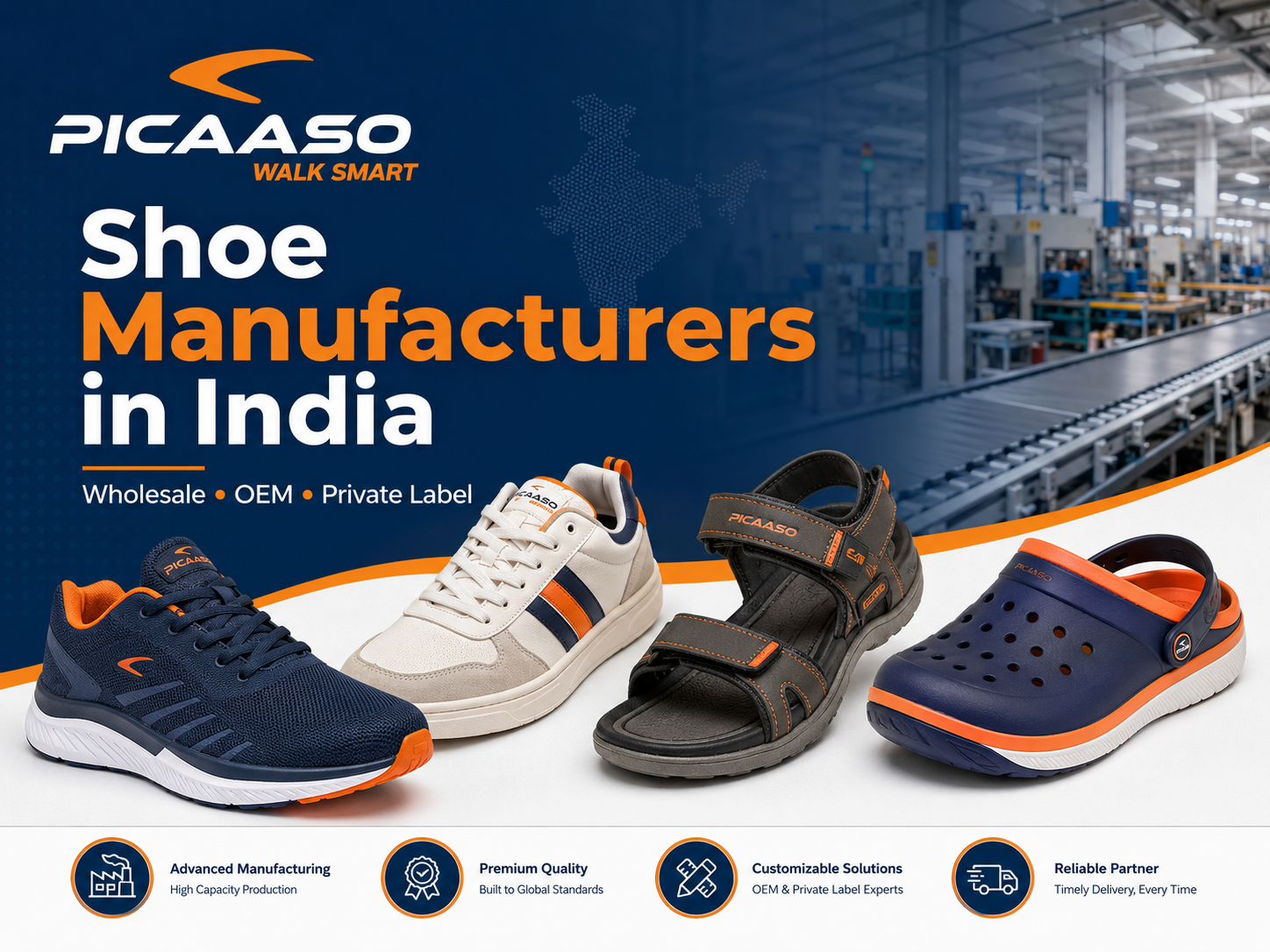
Footwear manufacturing involves a series of decisions long before a finished pair reaches the market. Product category, materials, sole construction, sizing and production methods all influence how a shoe is eventually manufactured.
Understanding these stages can be useful for retailers, wholesalers and businesses planning to source footwear in larger quantities.
Product Planning Comes First
The manufacturing process usually begins by defining what type of footwear is required. Sports shoes, casual shoes, sandals, slippers and clogs can have very different construction requirements.
Businesses studying the Indian footwear manufacturing industry may therefore first consider the intended product category, target customer and expected usage before discussing production.
A clear specification can make later stages such as material selection and sampling easier.
Selecting Suitable Materials
Footwear can contain several materials within a single product. The upper, lining, insole, midsole and outsole may each require different materials depending on the design.
Common materials used in footwear production include:
- EVA
- Rubber
- PU
- PVC
- TPR
- Mesh
- Synthetic fabrics
- Foam materials
Each material has different characteristics, so selection normally depends on the required construction and intended use.
Role of Sole Materials
The sole is an important structural component of footwear. Different sole materials may influence weight, cushioning, flexibility and overall construction.
EVA is one material commonly associated with lightweight footwear and cushioning applications. Understanding how EVA soles are used in footwear can help buyers compare it with other sole materials before finalising product specifications.
However, material suitability depends on the complete footwear design rather than one characteristic alone.
Sample Development
Before bulk manufacturing begins, a sample can help confirm whether the design and specifications work as intended.
During sampling, businesses may review:
- Shape and appearance
- Sizing
- Material selection
- Sole construction
- Stitching
- Flexibility
- Finishing
- Branding placement
Changes identified during this stage can usually be discussed before larger quantities enter production.
Moving Into Bulk Production
Once specifications and samples are approved, manufacturing can proceed through different production stages.
Depending on the footwear category, these may include:
- Material cutting
- Upper preparation
- Stitching
- Sole preparation
- Assembly
- Finishing
- Inspection
- Packaging
Different manufacturers may use different machinery and production methods depending on their product specialisation.
Why Production Consistency Matters
Producing one acceptable sample is different from manufacturing a large quantity consistently.
During bulk production, manufacturers may need to maintain consistency in areas such as:
- Size
- Colour
- Stitching
- Sole attachment
- Material thickness
- Finishing
- Branding
Quality checks at different stages can help identify variations before products reach final packaging.
Planning Orders More Effectively
Businesses sourcing footwear may benefit from discussing production requirements in advance.
Important areas can include expected quantity, available materials, size ratios, packaging, production timelines and delivery arrangements.
Providing clear specifications at the beginning can reduce unnecessary changes once manufacturing has started.
Conclusion
Footwear manufacturing combines design, material selection, sampling, production and quality control. Each stage contributes to the final product and may vary according to the type of footwear being produced.
For businesses evaluating manufacturing options, understanding these basic stages can make conversations with suppliers more structured and help create clearer product requirements.

 Arabic
 French
 Spanish
 Portuguese
 Deutsch
 Turkish
 Dutch
Dutch
 Italiano
 Russian
 Romaian
 Portuguese (Brazil)
 Greek
Greek
