


 About Urh Social
 Terms of Service
 Privacy Policy
 Contact
Why Choose an Advanced Care Nursing Home for Complex Medical Needs
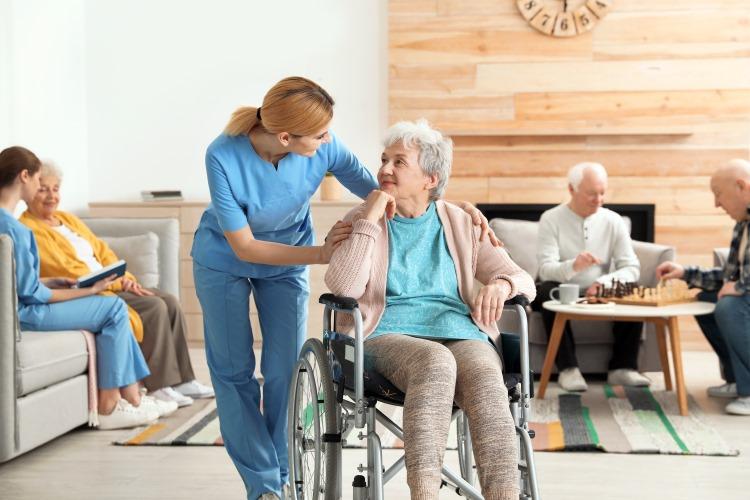
Choosing the right level of care for a loved one with serious medical conditions is one of the most important healthcare decisions a family can make. Many older adults live with multiple chronic illnesses, mobility limitations, or recovery needs that require continuous professional attention. In these situations, an advanced care nursing home provides a level of medical support that goes far beyond traditional residential care. Families often find peace of mind knowing trained healthcare professionals are available around the clock to respond to changing medical conditions.
As life expectancy continues to increase in the United States, more seniors require specialized healthcare services that cannot always be managed safely at home. While home health care agencies play an important role in helping patients recover after hospitalization, some individuals eventually need constant monitoring, advanced rehabilitation, and skilled nursing services. An advanced care nursing home combines medical expertise, rehabilitation, medication management, and personal assistance under one roof, making it an effective solution for complex health conditions.
This guide explains why choosing an advanced care nursing home is often the safest and most practical option for people with complicated medical needs. It also explores the differences between advanced nursing facilities and standard care homes while highlighting the benefits families can expect.
Understanding the Challenges of Complex Medical Needs
Many seniors face health conditions that become increasingly difficult to manage over time. Diseases such as heart failure, Parkinson's disease, stroke complications, diabetes, COPD, kidney disease, and dementia often require continuous monitoring and coordinated medical treatment. Family caregivers may do everything possible, but managing multiple medications, appointments, emergencies, and rehabilitation can quickly become overwhelming.
The Centers for Disease Control and Prevention reports that nearly 80% of adults aged 65 and older have at least one chronic disease, while many live with two or more ongoing medical conditions. These overlapping health issues increase the risk of hospital readmissions, medication errors, falls, and emergency situations. An advanced care nursing home is specifically designed to reduce these risks by providing skilled clinical care every day.
I have personally seen families struggle with balancing work responsibilities while trying to provide full-time medical care at home. Even with support from home health care agencies, some patients eventually require services that can only be delivered safely in a fully equipped healthcare setting. Making that transition is often emotional, but it can significantly improve both patient safety and caregiver well-being.
Why Standard Nursing Facilities May Not Be Enough
Not every nursing facility offers the same level of healthcare services. Standard nursing homes often focus primarily on helping residents with daily living activities such as bathing, dressing, meals, and basic medication reminders. While these services are valuable, they may not adequately support residents with complicated medical conditions requiring continuous clinical oversight.
An advanced care nursing home provides specialized healthcare professionals who manage wound care, intravenous therapy, respiratory support, complex medication schedules, rehabilitation therapies, pain management, and post-surgical recovery. These additional medical capabilities help residents receive treatment without unnecessary hospital transfers whenever possible.
Families sometimes assume every nursing facility provides identical care, but that is rarely true. Facilities offering advanced medical services usually invest heavily in specialized nursing staff, rehabilitation equipment, physician partnerships, and ongoing employee training. This higher level of preparation allows an advanced care nursing home to care for medically fragile patients who need constant observation and rapid intervention.
According to the Centers for Medicare & Medicaid Services (CMS), facilities with stronger staffing levels and better quality ratings generally achieve improved resident outcomes, including fewer preventable hospitalizations and better rehabilitation success rates. These quality indicators can help families compare available options before making an important decision.
Advanced Medical Services That Make a Difference
One of the biggest advantages of choosing an advanced care nursing home is access to comprehensive medical care around the clock. Registered nurses, licensed practical nurses, therapists, physicians, pharmacists, dietitians, and social workers collaborate to develop personalized treatment plans for every resident. This team approach improves communication while reducing treatment delays.
Residents recovering from surgery often require intravenous antibiotics, wound management, pain control, and physical rehabilitation simultaneously. Coordinating these services independently can be difficult, especially for older adults with limited mobility. An advanced care nursing home integrates these treatments into one organized care plan that follows the patient's progress every day.
Advanced rehabilitation services also play a major role. Physical therapy helps restore mobility, occupational therapy supports independence in daily activities, and speech therapy improves swallowing and communication after neurological injuries. Instead of traveling to multiple outpatient appointments, residents receive coordinated rehabilitation within the facility.
Medication management represents another significant benefit. Many medically complex seniors take ten or more prescription medications each day. Healthcare professionals in an advanced care nursing home carefully monitor medication interactions, dosage adjustments, side effects, and treatment effectiveness. This close supervision helps reduce medication-related complications that commonly lead to emergency hospital visits.
Real-World Example: Stroke Recovery in the United States
Consider a realistic example involving a 78-year-old stroke survivor from Michigan. After spending two weeks in the hospital, he returned home with assistance from one of several respected home health care agencies serving his community. Initially, nurses visited several times each week while therapists focused on improving mobility and speech.
Within two months, however, his condition became more complicated. Frequent falls, swallowing difficulties, medication changes, and recurring infections required almost constant medical supervision. His family realized they could no longer safely manage these responsibilities despite receiving outside assistance. They decided to move him into an advanced care nursing home specializing in neurological rehabilitation.
Over the following months, he received coordinated physical therapy, speech therapy, nutritional support, nursing care, and physician oversight every day. His strength gradually improved, his medication regimen stabilized, and his hospital readmissions significantly decreased. While every patient's recovery is different, this type of coordinated care illustrates how an advanced care nursing home can improve both medical outcomes and quality of life.
The Emotional Benefits for Families
Medical care is only one part of the decision. Family members often experience stress, exhaustion, guilt, and anxiety while caring for someone with complex medical conditions. Watching a loved one decline while trying to balance careers, parenting, and caregiving responsibilities creates emotional pressure that many families underestimate.
Choosing an advanced care nursing home does not mean giving up on a loved one. Instead, it often allows families to spend more meaningful time together without constantly worrying about medication schedules, medical emergencies, or physical caregiving tasks. Visits become opportunities for conversation, companionship, and emotional support rather than nonstop healthcare responsibilities.
From my perspective, one of the biggest changes families notice is peace of mind. Knowing qualified nurses monitor vital signs throughout the day, physicians oversee treatment plans, and therapists continue rehabilitation provides reassurance that loved ones receive professional care even when family members cannot be present every hour.
Social engagement also improves many residents' emotional health. Activities, group meals, therapy sessions, and community events encourage interaction that many isolated seniors miss when remaining home alone. These everyday experiences contribute to better mental health alongside medical treatment.
Comparing Advanced Care Nursing Homes with Home-Based Care
There is no question that many people prefer recovering at home whenever possible. Home health care agencies provide valuable services such as skilled nursing visits, therapy sessions, medication education, and chronic disease monitoring. For patients with stable medical conditions, home-based care can be highly effective.
However, certain situations require continuous supervision that home visits simply cannot provide. Patients needing oxygen monitoring, frequent medication adjustments, wound care several times daily, feeding tube management, or emergency response capabilities often benefit from an advanced care nursing home instead of intermittent home visits.
An important difference is staffing availability. Even excellent home health care agencies typically provide scheduled visits rather than twenty-four-hour bedside monitoring. In contrast, an advanced care nursing home maintains professional staff throughout the day and night, allowing immediate intervention if health conditions suddenly change.
Families should honestly evaluate the complexity of their loved one's condition rather than focusing only on personal preferences. Choosing the right care environment early may prevent avoidable complications, repeated hospitalizations, and caregiver burnout.
How to Choose the Right Advanced Care Nursing Home
Not every advanced care nursing home offers identical programs, making careful research essential. Families should begin by reviewing Medicare quality ratings, staffing levels, rehabilitation services, infection control records, and patient satisfaction reports. Visiting the facility personally provides valuable insight into cleanliness, staff interactions, resident engagement, and overall atmosphere.
Ask detailed questions regarding physician availability, emergency response procedures, rehabilitation frequency, wound care expertise, dementia services, nutrition planning, and discharge planning. Understanding exactly how the facility manages complex medical conditions helps families make informed comparisons rather than relying solely on marketing materials.
Communication remains one of the strongest indicators of quality care. The best advanced care nursing home encourages family participation, explains treatment plans clearly, provides regular health updates, and welcomes questions throughout the resident's stay. Strong communication builds trust while improving continuity of care between healthcare providers and family members.
Financial planning should also be part of the discussion. Medicare, Medicaid, long-term care insurance, veterans' benefits, and private insurance may each cover different portions of nursing home expenses depending on eligibility and medical circumstances. Speaking with financial counselors before admission helps families understand available options.
Conclusion
When medical conditions become increasingly complex, families deserve a healthcare solution that provides both clinical expertise and compassionate support. An advanced care nursing home delivers continuous skilled nursing, rehabilitation services, medication management, physician oversight, and coordinated treatment that many medically fragile patients require. These services reduce unnecessary hospitalizations while helping residents maintain the highest possible quality of life.
Although home health care agencies remain an excellent option for many recovering patients, they cannot always replace the constant supervision available in an advanced care nursing home. Understanding the differences between these care settings allows families to choose the level of support that best matches each patient's changing healthcare needs.
Ultimately, selecting an advanced care nursing home is not simply about finding a place to live. It is about ensuring safety, improving recovery, supporting independence where possible, and giving families confidence that their loved ones receive professional care every hour of every day. Taking the time to evaluate quality, staffing, rehabilitation services, and communication can make a lasting difference in both health outcomes and family peace of mind.

 English
 Arabic
 French
 Portuguese
 Deutsch
 Turkish
 Dutch
Dutch
 Italiano
 Russian
 Romaian
 Portuguese (Brazil)
 Greek
Greek
