


 About Urh Social
 Terms of Service
 Privacy Policy
 Contact
Why Mid Mile Delivery Is the Backbone of Efficient Supply Chains in Canada
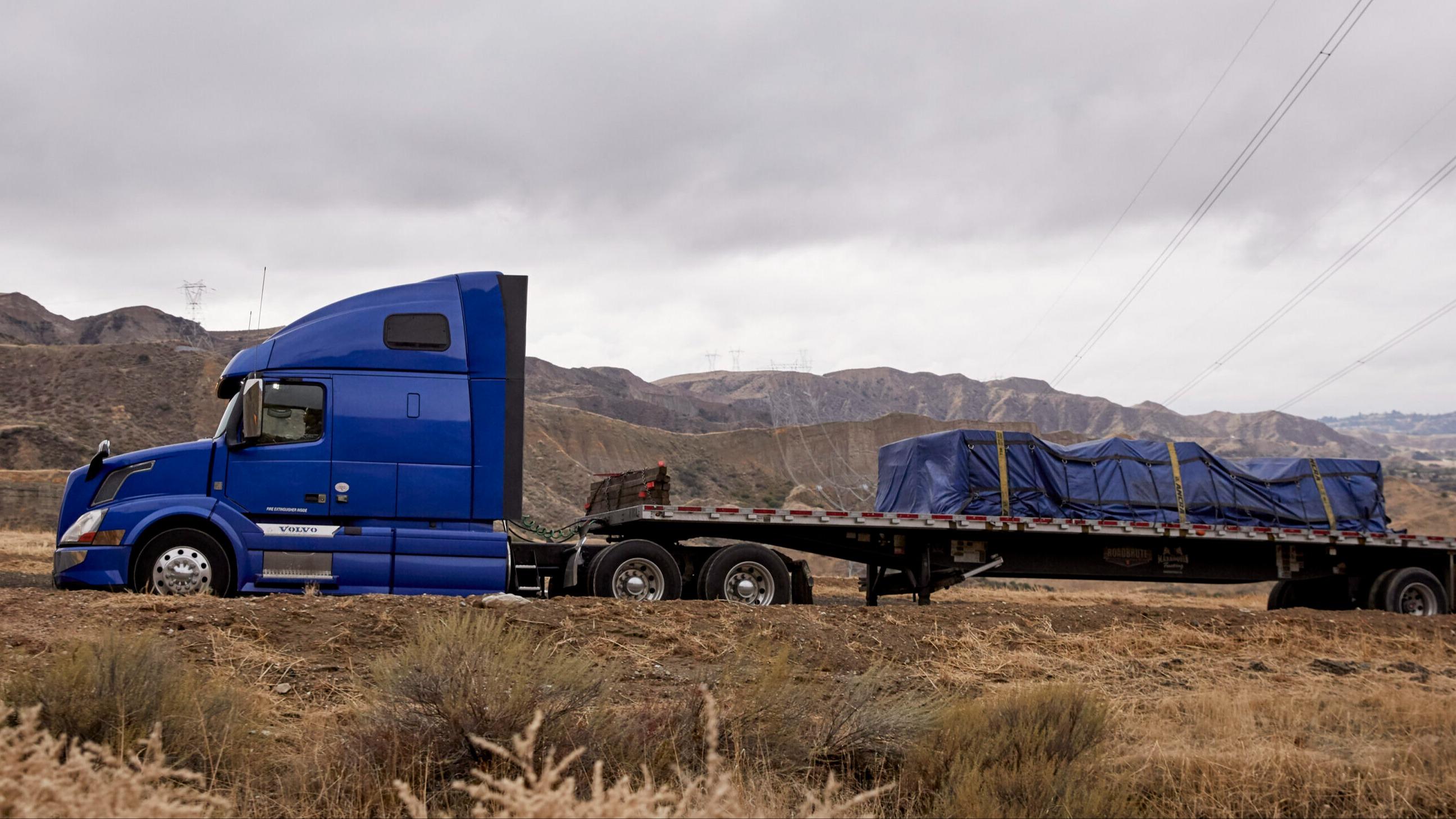
Modern supply chains depend on much more than fast customer deliveries. While final mile delivery often receives the most attention, the movement of goods between manufacturers, suppliers, warehouses, fulfilment centres, and distribution hubs plays an equally important role. This critical stage, known as mid mile delivery, ensures inventory is positioned efficiently before it reaches the final customer.
As businesses across Canada continue to experience increasing order volumes and rising customer expectations, efficient mid mile logistics have become essential for maintaining reliable operations, reducing transportation costs, and improving overall supply chain performance.
Whether serving retailers, eCommerce businesses, manufacturers, or healthcare providers, organisations that invest in strong middle mile transportation networks are better positioned to deliver faster, operate more efficiently, and scale their operations with confidence.
For businesses looking for dependable logistics solutions, Go Logistics provides integrated transportation, warehousing, and distribution services that help keep supply chains moving smoothly from origin to destination.
What You'll Learn in This Guide
In this article, we'll explore:
-
What mid mile delivery is
-
Why middle mile transportation matters
-
How mid mile logistics improve supply chain efficiency
-
Industries that benefit from middle mile services
-
Key challenges businesses face
-
Best practices for improving logistics performance
-
Why Go Logistics is a trusted logistics partner
-
Frequently asked questions
Understanding Mid Mile Delivery
Mid mile delivery refers to the transportation of goods between suppliers, manufacturing facilities, warehouses, fulfilment centres, distribution hubs, and cross-docking facilities before shipments enter the final delivery stage.
Unlike final mile delivery, which focuses on delivering products directly to customers, middle mile transportation ensures inventory is available in the right location at the right time.
This stage of the supply chain helps businesses:
-
Maintain inventory availability
-
Reduce warehouse shortages
-
Improve order fulfilment
-
Support faster customer deliveries
-
Optimise transportation efficiency
Without an effective middle mile strategy, businesses often struggle with delayed shipments, inventory shortages, and higher operating costs.
Why Mid Mile Logistics Are More Important Than Ever
Consumer expectations continue to evolve. Customers now expect faster deliveries, accurate order tracking, and consistent service regardless of season or demand.
To meet these expectations, businesses need more than efficient final mile operations. They also require dependable mid mile logistics that keep inventory moving efficiently between facilities.
Strong middle mile operations help businesses:
-
Position inventory strategically
-
Improve warehouse replenishment
-
Reduce transportation delays
-
Increase supply chain visibility
-
Support business growth
-
Improve customer satisfaction
By strengthening the middle mile, businesses create a more reliable and resilient supply chain.
How Middle Mile Delivery Improves Supply Chain Performance
1. Faster Inventory Movement
Efficient middle mile delivery ensures products move quickly between facilities, reducing delays before orders are processed.
This enables warehouses to maintain stock availability while improving fulfilment speed.
2. Better Warehouse Efficiency
Warehouses perform best when inventory arrives according to planned schedules.
Reliable transportation helps prevent congestion, improves storage utilisation, and allows warehouse teams to process goods more efficiently.
3. Lower Transportation Costs
Coordinated transportation routes reduce unnecessary mileage, improve vehicle utilisation, and minimise fuel consumption.
Businesses benefit from improved operational efficiency while controlling logistics expenses.
4. Improved Supply Chain Visibility
Modern logistics technologies provide real-time shipment tracking, allowing businesses to monitor inventory movement throughout the transportation process.
Greater visibility improves planning and decision-making.
5. Enhanced Customer Satisfaction
Although customers rarely see the middle mile, efficient transportation behind the scenes leads to faster, more reliable final deliveries.
Reliable inventory movement ultimately contributes to better customer experiences.
Industries That Benefit from Mid Mile Logistics
Many industries rely on efficient transportation between facilities.
These include:
eCommerce
Online retailers require continuous inventory replenishment to meet customer demand.
Retail
Retail businesses depend on regular shipments between suppliers, warehouses, and stores.
Manufacturing
Manufacturers need reliable transportation for raw materials and finished products.
Healthcare
Medical supplies require timely movement between distribution centres and healthcare facilities.
Wholesale Distribution
Wholesalers rely on organised transportation networks to support commercial customers across multiple regions.
Common Challenges in Middle Mile Transportation
Despite its importance, businesses often encounter challenges during the middle mile.
Traffic Congestion
Urban transportation networks can affect delivery schedules and increase transportation costs.
Seasonal Demand
Peak shopping periods place additional pressure on transportation and warehouse operations.
Inventory Imbalances
Poor transportation planning may result in stock shortages at some facilities and excess inventory at others.
Rising Operating Costs
Fuel prices, labour expenses, and vehicle maintenance continue to affect logistics budgets.
Limited Supply Chain Visibility
Without real-time tracking, businesses may struggle to identify delays or respond quickly to disruptions.
Best Practices for Efficient Middle Mile Delivery
Businesses can strengthen logistics performance by following several best practices.
Optimise Transportation Routes
Careful route planning improves delivery speed while reducing operating costs.
Use Real-Time Tracking
Shipment visibility helps businesses respond quickly to unexpected delays.
Integrate Warehouse and Transportation Operations
Better coordination between warehouses and transportation teams improves inventory flow.
Partner with Experienced Logistics Providers
Professional logistics companies provide the expertise, infrastructure, and scalability needed to support growing supply chains.
Review Performance Regularly
Monitoring key performance indicators helps identify opportunities for continuous improvement.
Why Choose Go Logistics?
Go Logistics provides comprehensive transportation, warehousing, and distribution solutions designed to improve supply chain efficiency across Canada.
Businesses choose Go Logistics because of its:
Reliable Transportation Network
Efficient freight movement supports dependable inventory replenishment and distribution.
Flexible Logistics Solutions
Services can be scaled to accommodate changing business requirements and seasonal demand.
Experienced Team
Knowledgeable logistics professionals develop transportation strategies tailored to each client's operations.
End-to-End Supply Chain Support
From warehousing to transportation and final delivery, Go Logistics provides integrated logistics solutions under one trusted partner.
Customer-Focused Service
Every solution is designed to improve operational efficiency while supporting long-term business growth.
Frequently Asked Questions
What is mid mile delivery?
Mid mile delivery is the transportation of goods between suppliers, manufacturers, warehouses, fulfilment centres, and distribution hubs before products enter the final delivery stage.
What is the difference between middle mile delivery and final mile delivery?
Middle mile delivery focuses on moving inventory between logistics facilities, while final mile delivery transports products directly to the end customer.
Why are mid mile logistics important?
Efficient mid mile logistics improve inventory positioning, reduce transportation delays, optimise warehouse operations, and support faster customer deliveries.
Which industries benefit from middle mile delivery?
Retail, eCommerce, manufacturing, healthcare, wholesale distribution, and third-party logistics providers all benefit from efficient middle mile delivery solutions.
Why should businesses outsource middle mile transportation?
Outsourcing allows businesses to access experienced logistics professionals, scalable transportation networks, and advanced logistics technology while reducing operational complexity.
Conclusion
An efficient supply chain depends on more than fast customer deliveries. Behind every successful delivery is a well-coordinated transportation network that ensures products move efficiently between suppliers, warehouses, and distribution centres. Investing in reliable mid mile delivery, effective mid mile logistics, and streamlined middle mile delivery strategies enables businesses to reduce costs, improve inventory management, and strengthen overall operational performance.
As customer expectations continue to rise, organisations that optimise the middle mile will be better equipped to deliver faster, scale efficiently, and maintain a competitive advantage. With integrated transportation, warehousing, and distribution expertise, Go Logistics helps businesses build resilient supply chains that support sustainable growth across Canada.

 English
 Arabic
 French
 Spanish
 Portuguese
 Deutsch
 Turkish
 Dutch
Dutch
 Italiano
 Russian
 Portuguese (Brazil)
 Greek
Greek
