India Ice Cream Market Surges as Urban Demand and Innovation Fuel Growth
The India’s ice cream industry is undergoing a significant transformation, fueled by rising disposable incomes, rapid urbanization, and evolving consumer preferences. According to insights from Renub Research, the India ice cream market is expected to grow from US$ 3.65 billion in 2024 to US$ 11.07 billion by 2033, expanding at a robust CAGR of 13.11% during the forecast period from 2025 to 2033.
This rapid growth reflects a broader shift in India’s consumption patterns, where ice cream is no longer just a seasonal indulgence but an increasingly year-round treat supported by innovation, accessibility, and changing lifestyles.
Download Free Sample Report:https://www.renub.com/request-sample-page.php?gturl=india-ice-cream-market-p.php
Market Overview: From Seasonal Treat to Everyday Indulgence
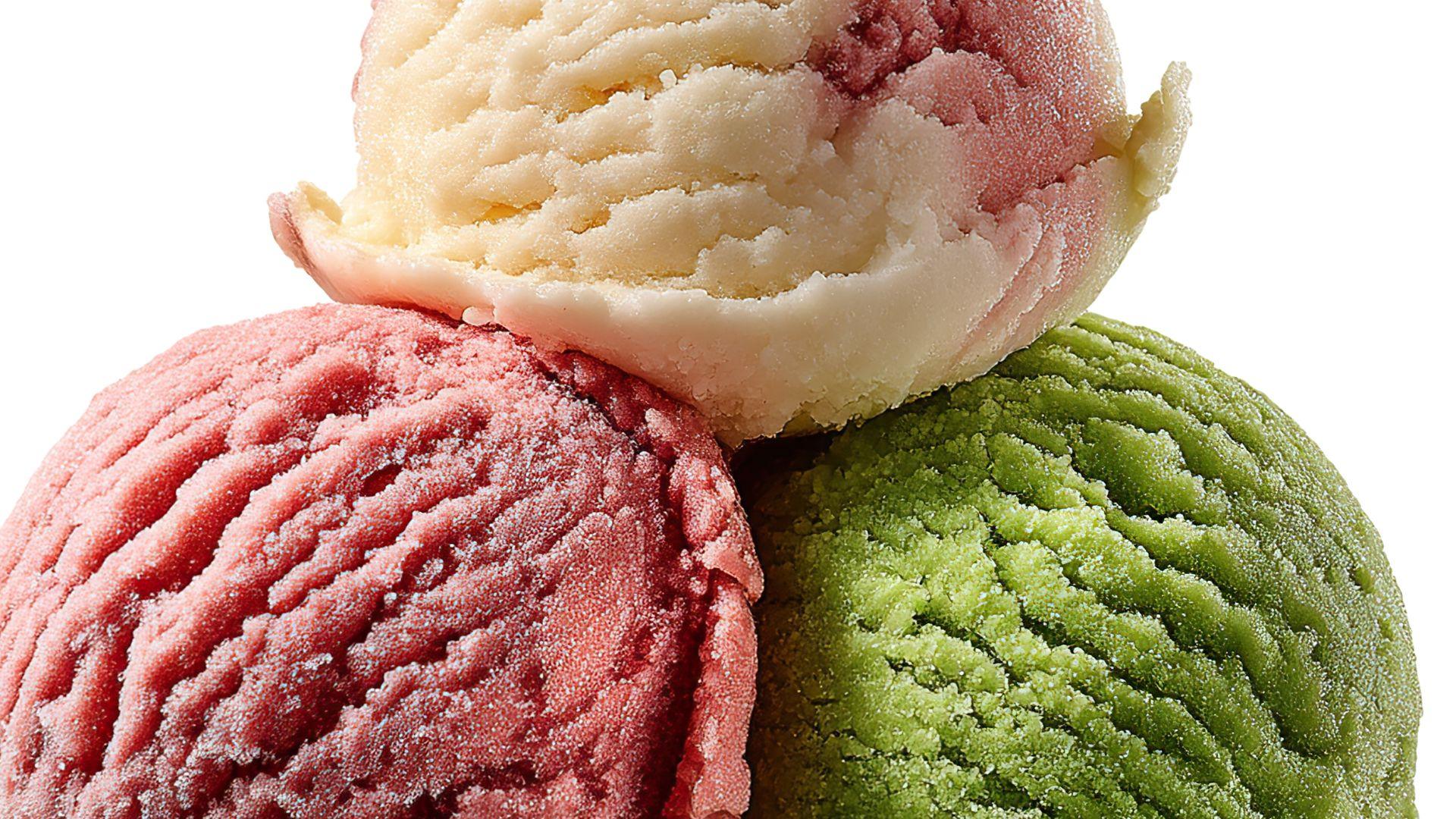
Ice cream in India has evolved far beyond its traditional perception as a summer dessert. Today, it is consumed across seasons, occasions, and demographics. Made primarily from milk, cream, sugar, and flavorings, ice cream is available in a wide range of formats including cones, cups, sticks, sundaes, and family packs.
The versatility of ice cream has played a key role in its growing popularity. It is consumed as a standalone dessert, paired with cakes and waffles, or blended into beverages like milkshakes and floats. Additionally, Indian consumers are increasingly embracing both traditional flavors such as mango, saffron, and rose, as well as global favorites like chocolate and vanilla.
The expansion of organized retail, improved cold chain logistics, and the rise of digital delivery platforms have made ice cream more accessible than ever before, contributing significantly to market growth.
Key Growth Drivers Transforming the Industry
Rising Disposable Income and Expanding Urban Population
One of the primary drivers of the India ice cream market is the steady rise in disposable incomes and the rapid expansion of the urban population. With approximately 534 million people currently living in urban areas—and projections suggesting this could reach 900 million by 2047—consumer demand for premium and branded food products is increasing.
As middle-class incomes grow, consumers are becoming more willing to spend on indulgent and premium ice cream offerings, including artisanal and international-style products. Urban lifestyles also promote higher consumption of convenience foods, further boosting demand.
Economic growth has also played a crucial role, with India’s GDP showing consistent expansion, reinforcing consumer confidence and spending power.
Expansion of Retail and E-Commerce Channels
The proliferation of modern retail formats and e-commerce platforms has revolutionized ice cream distribution in India. Supermarkets, hypermarkets, convenience stores, and specialty outlets have expanded their reach, ensuring wider availability of products across urban and semi-urban areas.
Quick commerce platforms and instant delivery services have emerged as game changers, enabling rapid delivery of ice cream even in challenging climatic conditions. These platforms are not only improving accessibility but also driving impulse purchases, particularly among younger consumers.
Retailers are also investing in better in-store visibility, including strategically placed freezers and attractive displays, which enhance product appeal and boost sales.
Innovation in Flavors and Formats
Innovation remains a cornerstone of growth in the Indian ice cream market. Companies are continuously introducing new flavors, formats, and health-oriented products to cater to diverse consumer preferences.
From exotic fruit blends and gourmet chocolate variants to low-fat and vegan options, the market is witnessing a surge in product diversity. Seasonal and limited-edition flavors are also gaining traction, creating excitement and encouraging repeat purchases.
In addition to flavors, product formats such as sticks, bars, cones, and sundaes are being tailored to different consumption occasions, further expanding the market’s reach.
Challenges Facing the India Ice Cream Market
Dependence on Cold Chain Infrastructure
A critical challenge for the ice cream industry in India is its reliance on robust cold chain infrastructure. Maintaining consistent temperature during storage and transportation is essential to preserve product quality.
However, in rural and semi-urban areas, inadequate cold storage facilities and unreliable electricity supply can lead to product spoilage and financial losses. Addressing these infrastructure gaps is crucial for sustained market expansion.
Intense Competition and Price Sensitivity
The Indian ice cream market is highly competitive, with numerous local and regional players offering products at lower price points. Price sensitivity among consumers, particularly in smaller towns, poses a challenge for premium and multinational brands.
Additionally, alternatives such as frozen desserts and traditional kulfi continue to compete for market share, requiring brands to differentiate through quality, innovation, and branding.
Segment Analysis: Understanding Consumer Preferences
Sticks and Bars Lead Impulse Consumption
Ice cream sticks and bars dominate impulse purchases due to their affordability and convenience. Popular among children and teenagers, these products are widely available across retail channels and are especially in demand during summer months.
Dairy-Based Ice Cream Remains Dominant
Dairy-based ice cream continues to be the most preferred category in India, valued for its rich taste and natural ingredients. Consumers increasingly associate dairy-based products with quality and authenticity, driving steady demand.
Impulse Ice Cream Gains Traction
Single-serve formats such as cones, cups, and sticks are driving the impulse ice cream segment. Strategic placement in retail outlets and aggressive marketing campaigns are key factors contributing to the segment’s growth.
Chocolate Flavor Continues to Dominate
Chocolate remains one of the most popular flavors in India, appealing to consumers across all age groups. Premium chocolate variants and innovative combinations are further boosting sales in this segment.
Distribution Channels: Expanding Reach Across Markets
Convenience Stores Drive Volume Sales
Convenience stores play a crucial role in the distribution of ice cream, particularly for impulse purchases. Their widespread presence ensures easy access for consumers, especially in urban and semi-urban areas.
Specialty Stores Cater to Premium Demand
Specialty ice cream outlets are gaining popularity among urban consumers seeking unique and premium experiences. These stores offer a wide range of flavors, customizable options, and experiential consumption, attracting millennials and families.
Online Channels Accelerate Growth
E-commerce and quick commerce platforms are rapidly becoming important distribution channels for ice cream. The convenience of home delivery, coupled with attractive discounts and promotions, is driving online sales.
Regional Insights: Diverse Growth Across States
Maharashtra Leads Urban Consumption
Maharashtra, particularly cities like Mumbai and Pune, represents one of the largest markets for ice cream in India. High disposable incomes and exposure to global trends are driving demand for premium products.
Uttar Pradesh Emerges as a High-Potential Market
Uttar Pradesh, with its large population and increasing urbanization, is witnessing strong growth in ice cream consumption. Demand is driven by both traditional and modern retail channels, with a mix of affordable and premium offerings.
Southern and Eastern Regions Show Strong Growth
States such as Andhra Pradesh, Karnataka, and West Bengal are experiencing rising demand due to warm climates and expanding urban centers. The growth of organized retail and online platforms is further supporting market expansion in these regions.
Competitive Landscape: Key Players and Market Strategies
The India ice cream market is highly fragmented, with a mix of national and regional players competing for market share. Leading companies are focusing on product innovation, brand positioning, and distribution expansion to strengthen their presence.
Major players such as Amul, Kwality Wall's, Mother Dairy, and Nestle continue to dominate the market, leveraging strong brand recognition and extensive distribution networks.
At the same time, emerging artisanal brands and regional manufacturers are gaining traction by offering unique flavors and competitive pricing.
Future Outlook: A High-Growth Consumer Market
The future of India’s ice cream market looks promising, with strong growth expected across all segments. Increasing health consciousness is likely to drive demand for low-fat, sugar-free, and plant-based options.
Technological advancements in cold chain logistics and supply chain management will further enhance product availability and quality. Additionally, continued innovation in flavors and formats will keep consumers engaged and drive repeat purchases.
As India’s consumer economy continues to expand, ice cream is set to become an even more integral part of everyday consumption patterns.
Final Thoughts
India’s ice cream market is on a remarkable growth trajectory, driven by rising incomes, urbanization, and changing consumer preferences. With projections indicating a market size of US$ 11.07 billion by 2033, the industry offers significant opportunities for both established players and new entrants.
While challenges such as infrastructure limitations and price sensitivity remain, ongoing investments in innovation, distribution, and sustainability are expected to address these issues. As highlighted by Renub Research, the market’s dynamic evolution underscores its potential as a key segment within India’s rapidly growing food and beverage industry.



 About Urh Social
 Terms of Service
 Politique de confidentialité
 Contact

 English
 Arabic
 Spanish
 Portuguese
 Deutsch
 Turkish
 Dutch
Dutch
 Italiano
 Russian
 Romaian
 Portuguese (Brazil)
 Greek
Greek
