India Frozen Paratha Market Set for Explosive Growth Amid Rising Demand for Convenience Foods
India’s rapidly evolving food landscape is witnessing a major transformation as convenience foods gain widespread acceptance among urban consumers. Among these, frozen parathas—once considered a niche offering—are now emerging as a mainstream staple, driven by changing lifestyles, rising incomes, and advancements in cold chain infrastructure.
According to Renub Research, the India frozen paratha market is projected to grow from US$ 60.28 million in 2024 to US$ 295.72 million by 2033, registering a remarkable compound annual growth rate (CAGR) of 19.33% between 2025 and 2033 . This significant growth highlights a broader shift in consumer behavior toward ready-to-eat and ready-to-cook food products that combine convenience with traditional taste.
Download Free Sample Report:https://www.renub.com/request-sample-page.php?gturl=india-frozen-paratha-market-p.php
Market Overview: Tradition Meets Modern Convenience
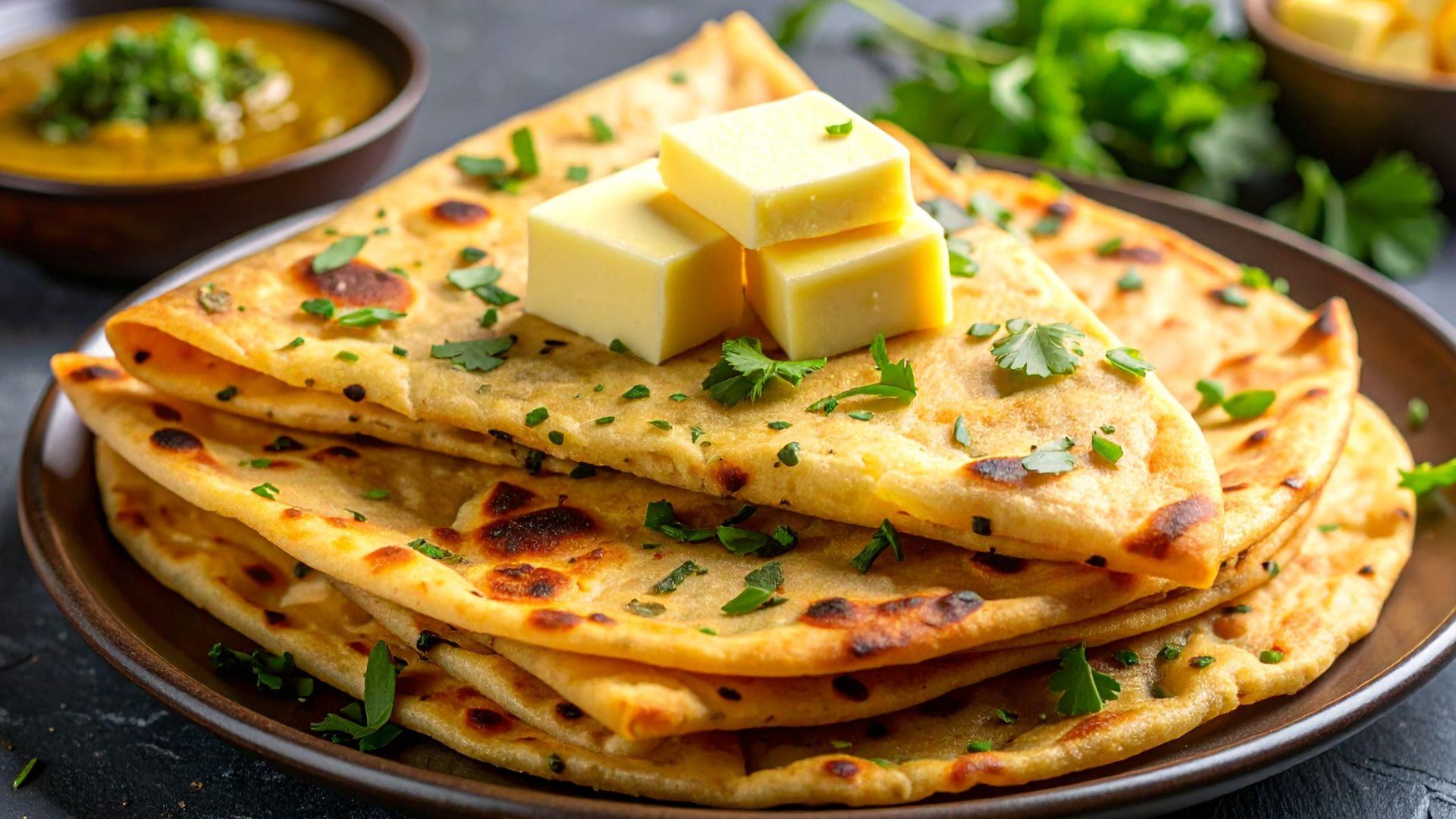
Frozen parathas represent a fusion of India’s rich culinary heritage with modern food processing technology. Made from wheat flour and traditional spices, these parathas are pre-cooked and frozen, allowing consumers to prepare them quickly by reheating.
They are available in a variety of flavors such as aloo (potato), paneer, methi, Malabar, and laccha, catering to diverse regional preferences. What sets frozen parathas apart is their ability to retain authentic taste and texture while offering unmatched convenience.
As Indian households become busier and more time-constrained, frozen parathas provide an ideal solution—delivering home-style meals without the time-consuming preparation.
Key Growth Drivers Fueling Market Expansion
1. Rising Demand for Convenience Foods
One of the primary drivers of the frozen paratha market is the growing demand for convenience foods. With increasing urbanization, long working hours, and fast-paced lifestyles, consumers are prioritizing quick meal solutions.
Frozen parathas eliminate the need for dough preparation, rolling, and cooking from scratch. This ease of use is particularly appealing to:
- Working professionals
- Students
- Nuclear families
- Dual-income households
The growing preference for ready-to-cook options reflects a broader trend in India’s food consumption patterns, where convenience is becoming as important as taste.
2. Rapid Urbanization and Lifestyle Changes
Urbanization continues to reshape India’s socio-economic fabric. As more people migrate to cities for better opportunities, traditional cooking practices are gradually giving way to modern alternatives.
Urban consumers often face time constraints, leading to increased reliance on packaged and frozen foods. Frozen parathas fit seamlessly into this lifestyle, offering:
- Quick preparation
- Consistent quality
- Easy storage
Cities such as Delhi, Mumbai, Bengaluru, and Hyderabad are witnessing particularly strong demand, driven by a growing population of working professionals and young consumers.
3. Rising Disposable Incomes
India’s expanding middle class and increasing disposable incomes are also contributing to the growth of the frozen paratha market. Consumers are now more willing to spend on premium and convenience food products.
This shift is enabling brands to introduce a wider range of products, including:
- Multi-grain and healthy variants
- Gourmet flavors
- Region-specific offerings
Higher purchasing power is not only boosting consumption but also encouraging experimentation with new food formats.
4. Expansion of Retail and E-Commerce Channels
The proliferation of modern retail formats and e-commerce platforms has significantly improved the accessibility of frozen parathas.
Key developments include:
- Growth of supermarkets and hypermarkets
- Expansion of online grocery platforms
- Improved last-mile delivery systems
Online channels, in particular, are playing a crucial role in reaching consumers in smaller cities and semi-urban areas, thereby widening the market base.
5. Improved Cold Chain Infrastructure
The development of cold chain logistics has been a game-changer for India’s frozen food industry. Enhanced storage and transportation facilities ensure that frozen products maintain their quality from production to consumption.
Investments in refrigeration technology and supply chain efficiency are enabling:
- Wider distribution networks
- Reduced product spoilage
- Increased consumer confidence
These improvements are essential for sustaining long-term market growth.
Emerging Trends Shaping the Market
Health-Conscious Product Innovation
As consumers become more health-conscious, manufacturers are introducing healthier variants of frozen parathas. These include:
- Low-oil options
- Whole wheat and multigrain versions
- Fortified products with added nutrients
This trend is expected to attract a broader consumer base, including fitness-conscious individuals.
Regional Flavor Customization
India’s diverse culinary landscape presents an opportunity for brands to offer region-specific flavors. From Malabar parathas in the South to stuffed parathas in the North, customization is becoming a key differentiator.
Branding and Marketing Initiatives
Increased brand awareness is playing a significant role in market growth. Companies are leveraging:
- Social media campaigns
- Influencer marketing
- In-store promotions
These efforts are helping build trust and educate consumers about the quality and convenience of frozen foods.
Challenges Hindering Market Growth
1. Cold Chain and Storage Limitations
Despite improvements, cold chain infrastructure remains uneven across regions. Rural and semi-urban areas often lack adequate refrigeration facilities, leading to:
- Product spoilage
- Limited availability
- Reduced consumer trust
Addressing these challenges is critical for expanding market reach.
2. Competition from Fresh Alternatives
Traditional, freshly made parathas continue to dominate Indian households. Many consumers still prefer:
- Homemade food
- Local street vendors
These options are perceived as fresher and more affordable, posing a challenge for frozen paratha brands.
Overcoming this requires consistent quality, competitive pricing, and effective consumer education.
Regional Market Insights
North & Central India
The North and Central regions remain key markets due to the strong cultural presence of parathas. While traditional consumption remains high, frozen variants are gaining traction in urban centers.
Southern India
In the South, frozen parathas—especially Malabar varieties—are becoming popular in cities like Bengaluru and Chennai. Rising disposable incomes and changing food preferences are driving demand.
Western India
Western India, including Maharashtra and Gujarat, is witnessing robust growth. Urban lifestyles and expanding retail networks are contributing to increased adoption.
Eastern India
The Eastern region is gradually emerging as a growth market. Improved infrastructure and urbanization are supporting the adoption of frozen foods, including parathas.
Competitive Landscape
The India frozen paratha market is highly competitive, with both established and emerging players vying for market share. Key companies are focusing on:
- Product innovation
- Distribution expansion
- Strategic partnerships
Major players include:
- ID Fresh
- Haldiram
- Sumeru
- Goeld
- Aashirvaad
- Godrej
- Vadilal
- Milky Mist Dairy
These companies are investing in branding, quality enhancement, and supply chain improvements to strengthen their market position.
Market Segmentation
By Type
- Malabar Paratha
- Lacha Paratha
- Paneer Paratha
- Aloo Paratha
- Others
By Distribution Channel
- Offline (Retail Stores, Supermarkets)
- Online (E-commerce Platforms)
By Region
- North & Central
- South
- West
- East
Future Outlook: A High-Growth Opportunity
The future of the India frozen paratha market looks highly promising. With a projected valuation of nearly US$ 295.72 million by 2033, the sector is poised for sustained growth.
Key factors that will shape the future include:
- Continued urbanization
- Technological advancements in food processing
- Expansion of cold chain infrastructure
- Increasing consumer acceptance of frozen foods
As awareness grows and distribution networks strengthen, frozen parathas are expected to become a regular feature in Indian kitchens.
Final Thoughts
The India frozen paratha market is undergoing a transformative phase, driven by a powerful combination of convenience, innovation, and changing consumer preferences. What was once considered a niche product is now evolving into a mainstream food category with immense growth potential.
While challenges such as cold chain limitations and competition from fresh alternatives persist, the overall trajectory remains strongly positive. With rising demand, expanding retail channels, and continuous product innovation, frozen parathas are set to redefine how India consumes its traditional staple foods.
As the market marches toward the projected US$ 295.72 million valuation by 2033, it offers significant opportunities for manufacturers, retailers, and investors alike—making it one of the most dynamic segments within India’s broader frozen food industry.



 About Urh Social
 Terms of Service
 Privacy Policy
 Contact

 English
 Arabic
 French
 Spanish
 Portuguese
 Deutsch
 Turkish
 Dutch
Dutch
 Russian
 Romaian
 Portuguese (Brazil)
 Greek
Greek
