


 About Urh Social
 Terms of Service
 Privacy Policy
 Contact
Understanding the Role of Surface Protection Film Manufacturers in Modern Material Handling
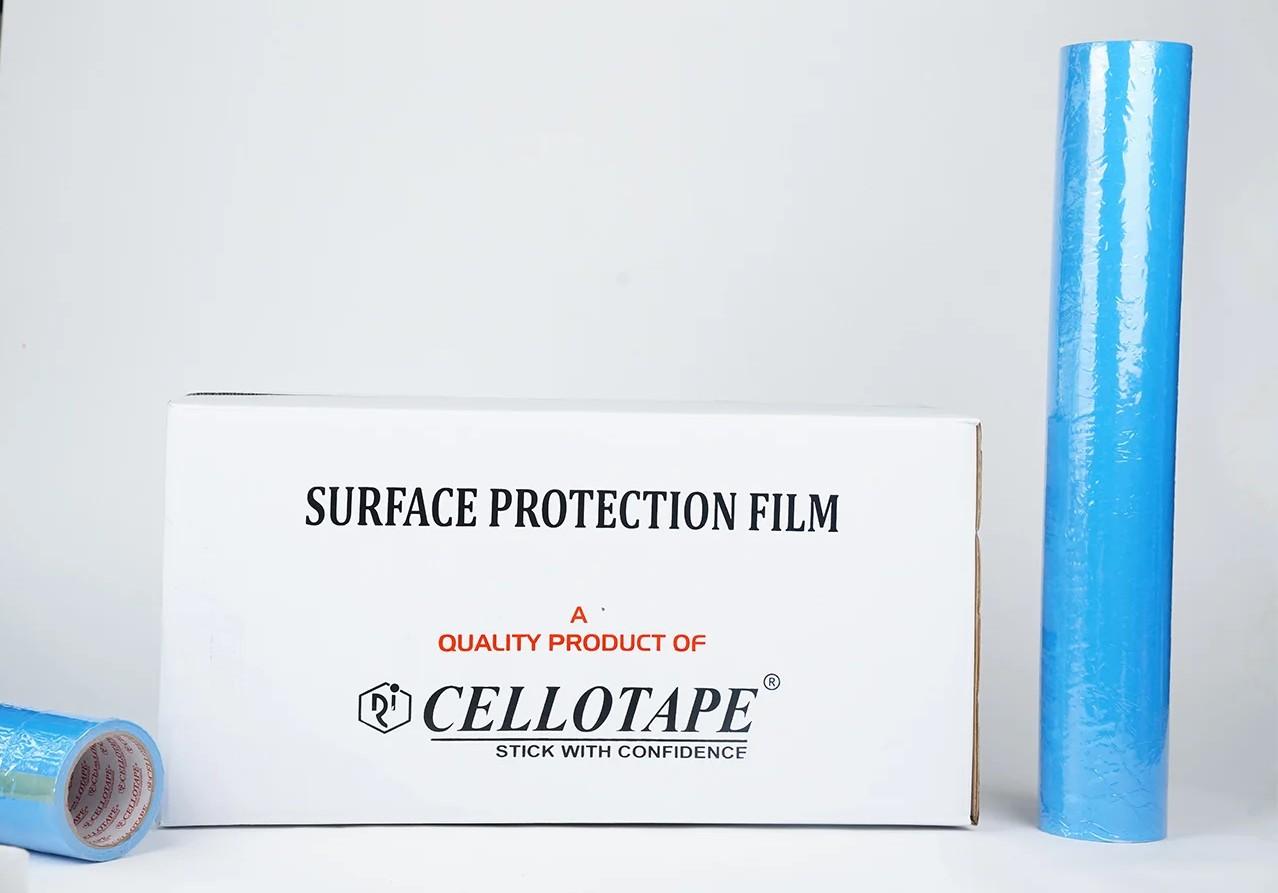
In many industries, product quality is judged not only by how well an item is made but also by how well its surface condition is maintained before final use. During manufacturing, fabrication, storage, transport, and installation, finished surfaces often face the risk of scratches, dust, stains, abrasion, and handling marks. This is one reason surface protection films remain relevant across multiple sectors. In practical use, a surface protection film manufacturer contributes to this process by supporting industries that need temporary but reliable protection for a wide range of materials.
Surface protection films are generally applied to materials for a limited period so that the original finish remains protected until the right stage of removal. These films are often used on stainless steel, aluminum, glass, plastic sheets, laminates, coated panels, furniture boards, and appliance surfaces. Although the film is temporary, its role can be important because even a minor mark on a finished surface may affect presentation, handling value, or the need for rework. In industries where appearance and finish quality matter, temporary surface protection becomes part of everyday material management rather than an optional step.
The work connected to this category is not limited to supplying a general film roll. Different surfaces behave differently, and protective materials often need to match those conditions. A film suitable for polished metal may not perform the same way on textured plastic or decorative laminate. Some applications need low-tack adhesion for easy removal, while others need a more secure hold during cutting, bending, transport, or machine handling. This is why the role of manufacturing in this segment is tied to application suitability as much as material production.
Why surface protection films are widely used
In many production and handling environments, surfaces pass through several stages before they reach the final buyer or installation site. Even if the product is finished perfectly at the first stage, it may still be exposed to movement, stacking, tooling, dust, or accidental contact later in the process. Surface protection film helps reduce those risks while allowing the original surface to remain covered until the job is complete.
Some common reasons these films are used include:
- protection from scratches during handling
- reduced dust and stain contact on finished surfaces
- support for cleaner storage and transport
- prevention of minor marks during fabrication
- preservation of visual finish before installation
These uses are especially important in sectors where surface appearance directly affects product value.
Relevance across multiple industries
Surface protection films are used across a wide range of industries because finished or semi-finished materials often need temporary shielding before final use. The applications may differ, but the basic requirement remains similar: keeping the surface clean and damage-free while it moves through processing or logistics.
Common sectors where these films are often relevant include:
- stainless steel and aluminum fabrication
- glass and glazing applications
- furniture and decorative panel handling
- plastic sheet processing
- appliance body panel protection
- coated metal and pre-finished surfaces
- signage and display material preparation
In each of these sectors, the type of film used may vary depending on surface texture, gloss level, and processing method.
Why manufacturers matter in this category
Even though surface protection film is temporary, its performance has to be reliable during the period it is applied. If the film lifts too early, curls at the edge, tears during use, or becomes difficult to remove, it can create handling problems instead of preventing them. This is why manufacturers matter in this segment. The usefulness of the film depends on how consistently it performs under real working conditions.
A manufacturer in this field often needs to focus on practical production factors such as:
- film thickness and tensile strength
- adhesive level suited to different substrates
- ease of application and removal
- compatibility with glossy, matte, or textured surfaces
- consistency across rolls and batches
- protection performance during handling stages
These factors influence whether the film supports the workflow smoothly or adds unnecessary difficulty.
Importance of surface compatibility
Not every protective film suits every surface. Metal sheets, painted panels, acrylic boards, glass, laminates, and plastic materials all respond differently to adhesive-backed protective films. In some cases, a low-tack film is preferred because the material needs easy removal at a later stage. In other cases, stronger adhesion may be required because the product will be exposed to more movement during storage or transport.
A few practical considerations that usually influence film selection include:
- type of substrate
- gloss or texture level
- duration of protection required
- processing steps such as cutting or bending
- storage and transport conditions
- stage at which removal will take place
Because of these variables, film performance depends heavily on matching the product to the actual use environment.
Role during fabrication and processing
One of the major reasons surface protection films are used is that finished materials often continue to move through fabrication after their decorative or polished surface is ready. Panels may be cut, stacked, drilled, routed, polished, packed, or shifted multiple times before they are installed or sold. Each stage creates some level of risk to the exposed surface.
In fabrication-related work, protection film may help maintain surface quality while materials are:
- cut into specific sizes
- moved between workstations
- stored in stacks or racks
- packed for dispatch
- transported to project sites
- handled by different teams before installation
Even though the film is removed later, its role during these stages helps preserve the final surface condition.
Practical expectations from protection films
Users generally expect temporary surface protection to work quietly in the background. It should apply cleanly, stay in place through normal handling, and remove without creating difficulty under the intended conditions. In some situations, the film may also need to support visibility, print marking, or easy identification, but the primary expectation remains surface protection without complication.
From a practical point of view, such films are often valued when they offer:
- stable adhesion during normal handling
- smooth unwinding and application
- clean removal at the right stage
- suitable thickness for the work process
- low risk of residue under proper conditions
- dependable short-term shielding of finished surfaces
These qualities are important because even a temporary product affects workflow if it behaves inconsistently.
Need for application-based selection
The effectiveness of surface protection film usually depends on selecting the right type rather than choosing a generic option for all materials. A film used for mirror-finish stainless steel may not be suitable for textured ACP sheets. A film chosen for indoor handling may behave differently in hot or outdoor conditions. This is why practical selection is usually based on work environment and material behavior.
Some common factors users often consider include:
- whether the surface is smooth or textured
- how long the film will remain in place
- whether the material will face movement or machine processing
- whether easy peel-off is important at the end stage
- whether the film needs to stay stable during storage and transport
This approach helps reduce the chances of poor adhesion or difficult removal later.
Relevance in transport and storage
Finished materials are often at risk not only during fabrication but also during storage and transport. Even after a product leaves the production stage, it may still be stacked, loaded, unloaded, or shifted through warehouses and delivery systems. In such cases, temporary protection film helps preserve the appearance of the material until it reaches the next stage.
This is useful because it can help:
- reduce avoidable marks during movement
- maintain cleaner surfaces in storage
- support safer stacking of finished sheets or panels
- preserve presentation until unpacking or installation
- lower the risk of rework caused by surface damage
For products with visible decorative finishes, this added protection can be practically valuable.
Final thoughts
Surface protection films continue to play an important role in modern industrial and commercial handling because they help preserve surface quality during fabrication, storage, transport, and installation. Their use spans many sectors where appearance, finish, and product condition matter from the production stage to the final point of use.
The role of a surface protection film manufacturer becomes important because the product has to match different surfaces and practical handling conditions rather than simply cover them. When selected according to the actual material and work process, surface protection film can help maintain cleaner finishes, reduce avoidable damage, and support smoother handling across the stages that come before final use.

 English
 Arabic
 French
 Portuguese
 Deutsch
 Turkish
 Dutch
Dutch
 Italiano
 Russian
 Romaian
 Portuguese (Brazil)
 Greek
Greek
