


 About Urh Social
 Terms of Service
 Privacy Policy
 Contact
Denim Tears Clothing: A Cultural Movement Woven Into Fashion
Introduction
Fashion has always been more than fabric stitched together for the sake of style. At its best, fashion is a mirror—reflecting history, culture, resistance, and identity. Denim Tears Clothing sits firmly in that space where clothing becomes conversation and garments become storytelling tools. This is not a brand built solely on trends, hype, or seasonal aesthetics. Instead, Denim Tears exists to remind, educate, and provoke thought, all while remaining visually striking and wearable.
In a world where streetwear often leans heavily on logos and resale value, Denim Tears dares to slow things down. It asks you to look closer. To question why a symbol exists. To feel something when you pull on a pair of jeans or a hoodie. The brand uses denim—one of the most American fabrics imaginable—as a canvas to explore Black history, trauma, and resilience. That alone sets it apart in a crowded fashion landscape.
What makes Denim Tears Clothing especially powerful is its refusal to dilute its message for mass appeal. It doesn’t shout; it speaks with intention. The designs are layered with meaning, often uncomfortable, but always honest. And in doing so, Denim Tears has carved out a space where fashion becomes a form of cultural preservation. This isn’t just about what you wear—it’s about what you carry with you.
Origins of Denim Tears Clothing
The Vision Behind the Brand
Denim Tears Clothing was founded by Tremaine Emory, a creative force whose work spans fashion, music, and art. From the very beginning, the brand was never meant to simply “look good.” It was created as a platform—one that uses clothing as a medium to address the often-overlooked narratives embedded in American history.
Emory envisioned Denim Tears as a living archive. Each piece functions like a page from a book that hasn’t always been allowed to exist in mainstream spaces. Instead of separating art from commerce, he fused them together. The result is a brand that feels deeply personal yet universally relevant. Denim Tears doesn’t chase validation from fashion weeks or trend forecasts. Its validation comes from cultural truth.
The vision was clear: create clothing that honors Black history without romanticizing pain, while still celebrating survival, creativity, and identity. That balance is difficult to achieve, but Denim Tears manages it by remaining grounded in research, symbolism, and emotional honesty. Every drop feels intentional, not rushed. And that patience is part of what gives the brand its weight.
The Meaning of the Name “Denim Tears”
The name Denim Tears itself is loaded with symbolism. Denim represents labor, endurance, and American industry. It’s a fabric historically worn by workers—farmers, laborers, and enslaved people. It’s tough, durable, and utilitarian. But the word “tears” adds emotional depth. It acknowledges pain, loss, and suffering that often get erased from glossy narratives of progress.
Together, the name tells a story before you even see a garment. Denim Tears reminds us that American prosperity was built on forced labor and exploitation, particularly of Black bodies. The “tears” are not just sadness—they’re memory. They’re truth. And they refuse to be ignored.
This duality—strength and sorrow, resilience and grief—is woven into every piece. The brand name alone challenges consumers to think differently about what they’re wearing and why it exists. It’s fashion that doesn’t let you stay passive.
Tremaine Emory: The Mind Behind Denim Tears
Early Life and Influences
To understand Denim Tears Clothing, you have to understand Tremaine Emory. His worldview was shaped by culture long before it was shaped by fashion. Music, Black art, and social movements played a major role in his upbringing. These influences didn’t just inspire his aesthetic—they informed his values.
Emory grew up understanding that creativity could be a form of resistance. That storytelling was a way to reclaim space. And that silence often benefits systems of oppression. Denim Tears Hoodie These lessons are deeply embedded in Denim Tears. The brand doesn’t exist to be neutral. It exists to be honest.
His early exposure to cultural icons and creative communities allowed him to see fashion as part of a larger ecosystem. Clothing wasn’t separate from music or politics—it was connected. That holistic understanding is what makes Denim Tears feel so layered and intentional.
From Creative Director to Cultural Architect
Before launching Denim Tears, Tremaine Emory worked behind the scenes with some of the biggest names in fashion and music. But stepping into the spotlight meant taking full ownership of his voice. Denim Tears became his way of building something uncompromised.
Rather than following traditional brand-building formulas, Emory positioned himself as a cultural architect. He wasn’t interested in mass production or chasing trends. He was interested in impact. And that mindset is evident in every aspect of the brand—from the limited drops to the collaborations chosen with care.
Denim Tears is, in many ways, Emory’s personal manifesto. It’s his response to a fashion industry that often profits from Black culture without honoring Black history. Through Denim Tears, he flips that dynamic.
The Cultural Significance of Denim Tears Clothing
Fashion as Historical Narrative
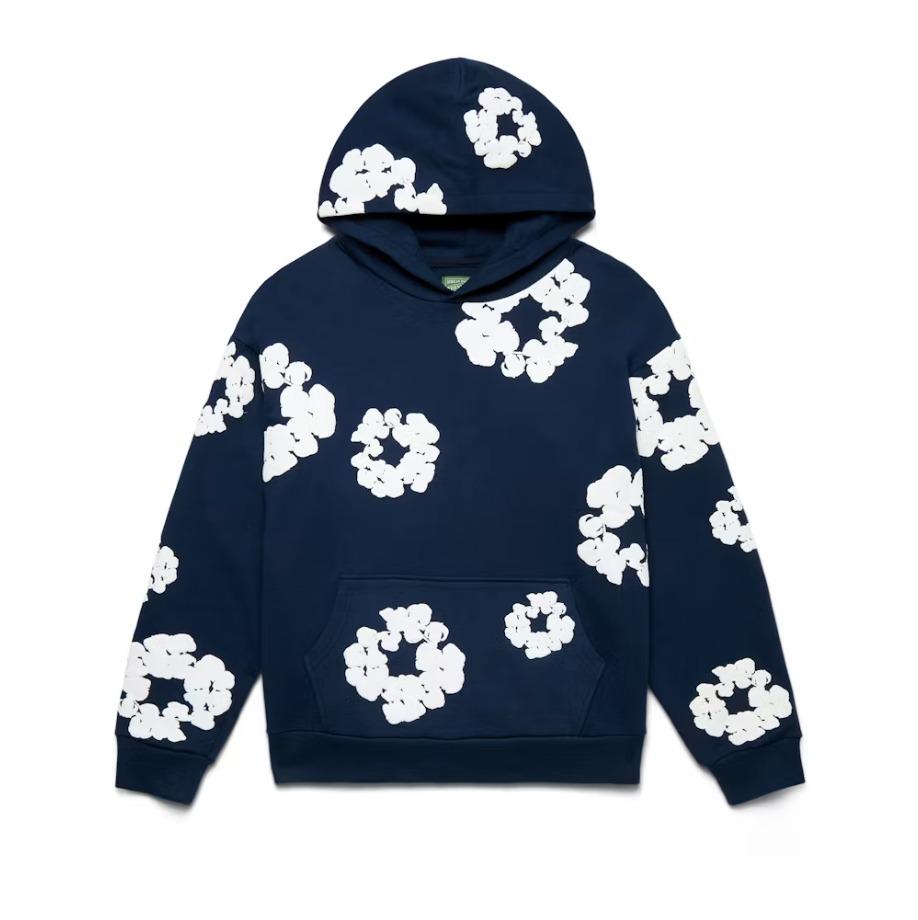
Denim Tears Clothing treats fashion like a history book you can wear. One of the most powerful examples of this is the brand’s use of cotton imagery. Cotton isn’t just a crop—it’s a symbol of enslavement, exploitation, and generational trauma. By placing cotton wreaths on denim, Emory forces a confrontation with that past.
This isn’t subtle storytelling, and that’s the point. Denim Tears doesn’t exist to make people comfortable. It exists to make people aware. The garments become entry points into conversations that are often avoided or simplified. By wearing Denim Tears, the consumer becomes part of that narrative. The clothing invites questions. It sparks dialogue. And in doing so, it turns everyday fashion into a form of education.
Why Denim Tears Is More Than Streetwear
Calling Denim Tears just “streetwear” feels limiting. While it exists within that space aesthetically, its purpose goes far beyond style. This is conceptual fashion rooted in activism and memory. It’s wearable art with a message.
Streetwear often thrives on hype and exclusivity. Denim Tears thrives on meaning. The scarcity of pieces isn’t about artificial demand—it’s about intentional storytelling. Each release feels like a chapter, not a cash grab. That distinction is why Denim Tears resonates so deeply. It doesn’t ask you to buy into a trend. It asks you to engage with history. Shop Now

 English
 Arabic
 French
 Spanish
 Portuguese
 Deutsch
 Turkish
 Italiano
 Russian
 Romaian
 Portuguese (Brazil)
 Greek
Greek
