


 About Urh Social
 Terms of Service
 Privacy Policy
 Contact
From Family Recipes to Tables The Story of Middle Eastern Cuisine
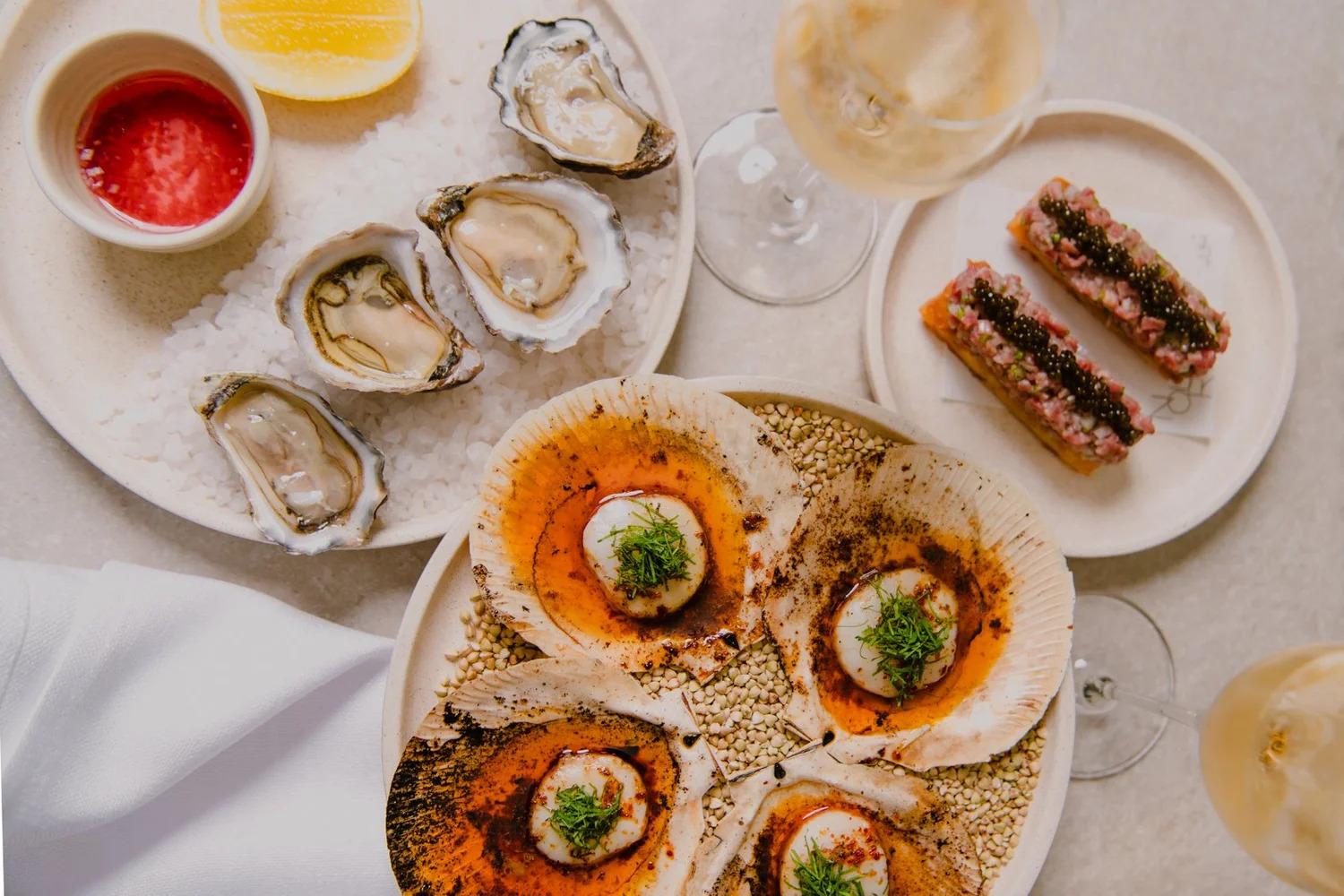
Middle Eastern cuisine grew from centuries of trade and cultural exchange. Family recipes passed down through generations preserve its identity. Mezze, charcoal grilling, and fresh herbs define the cooking style. Modern restaurants carry these traditions into city dining. The journey from family kitchen to restaurant table keeps the cuisine alive.
The Region That Shaped the Food
The Middle East sits at a crossroads. Traders crossed the region for centuries. Each group left something behind. Persian cooks brought rice and stews. Ottoman kitchens added grilled meats and pastries. Levantine families built the mezze tradition. A middle eastern restaurant carries this blend of influences on its menu. No single country owns the cuisine. It belongs to the whole region.
The Origins of Mezze
Mezze started as a way to taste many dishes. The word comes from a Persian term meaning taste or relish. The custom spread across the Levant over many generations. A middle eastern restaurant uses this format to open a meal. Small plates arrive in groups, each with its own texture and flavour. Hummus sits beside pickles. Warm bread waits next to olives.
Family Recipes and the Kitchen
Most Middle Eastern dishes began at home. Recipes passed down by word of mouth. Mothers taught daughters. Grandmothers corrected mistakes. Measurements were often rough, guided by feel rather than exact numbers. A middle eastern restaurant that stays close to these recipes keeps the food honest. The flavours taste like home rather than factory.
The Role of Generations
Generations shape the cuisine. Each one adds something new. A mother changes a spice mix. A grandmother insists on a certain method. A middle eastern restaurant that respects these layers keeps the food alive. The menu carries more than ingredients. It carries memory.
Ingredients and the Daily Market
Fresh produce drives the cooking. Tomatoes, cucumbers, and herbs fill the table. Olive oil and lemon brighten the dishes. Families shopped daily in local markets. A middle eastern restaurant that sources well keeps the flavours bright. The food depends on what arrives that morning.
Charcoal and the Open Flame
Grilling shapes much of the cuisine. Meats cook over open flame. The smoke adds depth. A middle eastern restaurant often builds its menu around this technique. Chicken, lamb, and kofta all benefit from the charcoal. The char on the outside seals in the juices.
Bread and the Shared Table
Bread anchors a Middle Eastern table. It scoops, wraps, and carries. A middle eastern restaurant serves warm bread from start to finish. The flatbread stays soft and slightly charred. When the bread runs out, the meal pauses until more arrives.
Preserving Traditions in Modern Cities
Bringing these customs to new cities takes care. The recipes stay the same. The setting changes. A middle eastern restaurant that honours the source finds success. Owners balance authenticity with local tastes. They keep the mezze tradition alive while adapting to new schedules.
The Social Side of the Table
Middle Eastern meals are social events. Sharing defines the experience. A middle eastern restaurant that builds around shared plates turns a meal into a gathering. The format suits groups of every size. Long lunches stretch into the afternoon. Dinner turns into a long conversation.
Hospitality and the Welcome
Hospitality sits at the heart of the culture. Guests receive more than they expect. A middle eastern restaurant that follows this custom makes people feel valued. Extra dishes arrive without being ordered. Bread gets replaced before it runs out. These small acts signal that the host cares.
The Sweets That End the Meal
Middle Eastern sweets carry their own history. Baklava and similar pastries bring honey and nuts. A middle eastern restaurant often serves these treats with care. The sweet finish completes the meal. A small piece goes a long way.
Why These Traditions Survive
Traditions survive when people care for them. Families keep recipes alive at home. Chefs bring them into restaurants. Diners keep ordering the same dishes. A middle eastern restaurant that honours these traditions stays relevant. The food connects people to a longer story.
A Note on Noursydney
Noursydney brings a relaxed feel to the local dining scene. It pairs share plates with a strong drink list and a growing following among city diners. This wine bar Bondi fits the neighbourhood's warm style and reflects the best of Mediterranean dining Bondi.
Tips for Exploring Middle Eastern Cuisine
A few steps help. Order several mezze plates to share. A middle eastern restaurant rewards curiosity. Try a grilled dish and a fresh salad together. Ask staff about dishes you do not recognise. Let the table fill up slowly.
Conclusion
Middle Eastern cuisine grew from centuries of trade and cultural exchange. Family recipes passed down through generations preserve its identity. Mezze, charcoal grilling, and fresh herbs define the cooking style. Modern restaurants carry these traditions into city dining.
The journey from family kitchen to restaurant table keeps the cuisine alive. It gives diners more than a meal. So next time you visit a middle eastern restaurant, notice the history. You might find a new appreciation for the food.

 English
 Arabic
 French
 Spanish
 Portuguese
 Deutsch
 Turkish
 Dutch
 Russian
 Romaian
 Portuguese (Brazil)
 Greek
