


 About Urh Social
 Terms of Service
 Политика конфиденциальности
 Contact
What Happens During a Hair Density Assessment at Tajmeels Clinic?
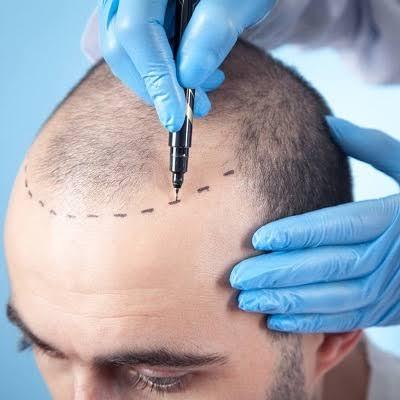
Hair loss can affect people differently, depending on their genetics, age, scalp condition, hormonal changes, and overall hair health. Before considering hair transplant surgery, understanding the density of existing hair is an important step. A hair density assessment helps evaluate how much hair is present in different scalp areas, whether thinning is noticeable, and how suitable the available donor hair may be for restoration.
For individuals considering a Hair Transplant in Dubai, this assessment provides valuable information for developing a personalised treatment plan. It also helps identify areas that may require attention and establishes realistic expectations about potential results.
What Is a Hair Density Assessment?
A hair density assessment is an evaluation of the number, distribution, and condition of hair follicles across the scalp. It helps determine whether hair loss is concentrated in specific areas or spread across the scalp.
During the assessment, attention is generally given to the hairline, temples, crown, and donor area at the back and sides of the head. These areas can show different patterns of hair growth and thinning.
Hair density is commonly evaluated by examining the number of hair follicles within a measured scalp area. Specialists may also consider hair thickness, follicular grouping, and the proportion of actively growing and miniaturised hairs.
This information helps determine whether a person may benefit from hair restoration and which approach could be appropriate.
Why Is Hair Density Important Before a Hair Transplant?
Hair density plays an important role in determining the overall appearance and planning of a hair transplant. The procedure involves transferring healthy hair follicles from a donor area to areas experiencing thinning or baldness.
However, not everyone has the same donor hair availability or scalp characteristics. Assessing density helps identify the possibilities and limitations of treatment.
Some important reasons include:
-
Understanding existing hair coverage: Identifies areas with reduced hair density and visible thinning.
-
Evaluating donor availability: Helps determine whether the donor area contains sufficient healthy follicles.
-
Planning graft distribution: Supports decisions about where transplanted follicles may be needed.
-
Maintaining natural proportions: Helps create a hair restoration plan that considers existing hair patterns.
-
Setting realistic expectations: Provides a clearer understanding of achievable coverage.
A proper assessment can also help avoid overharvesting follicles from the donor area.
What Happens During the Hair Density Assessment?
The assessment generally involves several steps to understand the patient's hair condition and restoration needs.
1. Reviewing Hair Loss History
The first step usually involves discussing the patient's hair loss history. The specialist may ask when thinning started, which areas are affected, and whether hair loss has progressed over time.
Family history, previous treatments, medical conditions, and medication use may also be discussed where relevant.
This information helps identify possible contributing factors and understand whether the hair loss pattern is stable or continuing to develop.
2. Examining Different Scalp Areas
The scalp is examined to evaluate hair distribution and identify areas with reduced coverage. Particular attention may be given to the frontal hairline, temples, mid-scalp, and crown.
The specialist looks for differences in density, visible scalp areas, and variations in hair thickness.
Examining multiple regions is important because hair loss does not always progress evenly. Someone may have noticeable thinning around the temples while maintaining relatively good density at the crown.
3. Measuring Hair Density
Hair density may be evaluated using magnification, digital imaging, or specialised scalp examination equipment.
Depending on the assessment method, the specialist may estimate the number of follicles or hair strands within a specific scalp area.
This provides useful information about existing coverage and helps identify areas where thinning is more significant.
The measurements are considered alongside other factors rather than being used as the only basis for recommending treatment.
4. Evaluating Hair Thickness and Follicle Quality
Hair thickness can influence how full the scalp appears. People with thicker hair strands may achieve greater visual coverage than individuals with finer strands, even when their follicle counts are similar.
The specialist may examine whether the hair is strong, fine, miniaturised, or unevenly distributed.
Follicular grouping is also important because some follicles naturally produce multiple hair strands. Understanding these characteristics helps with realistic transplant planning.
5. Assessing the Donor Area
The donor area is generally located at the back and sides of the scalp. These regions are important because healthy follicles may be selected for transplantation.
During this stage, the specialist evaluates donor density, hair thickness, scalp condition, and the distribution of available follicles.
The assessment helps estimate whether sufficient donor hair may be available without unnecessarily reducing coverage in the donor region.
How Do Assessment Results Influence Hair Transplant Planning?
Once the examination is complete, the collected information helps guide the next steps.
For example, someone experiencing early temple recession may require a different approach from someone with extensive crown thinning. Similarly, individuals with limited donor density may need a more conservative restoration strategy.
The specialist may consider:
-
The extent and pattern of hair loss.
-
Existing hair density in the recipient area.
-
Donor hair availability.
-
Hair thickness and texture.
-
Scalp health and possible underlying conditions.
-
Long-term hair loss progression.
Not everyone undergoing a hair density assessment will automatically be considered suitable for surgery. Some individuals may benefit from medical evaluation or alternative hair loss treatments before considering transplantation.
Why Choose Tajmeels Clinic for Hair Density Assessment in Dubai?
At tajmeels clinic dubai, hair restoration planning can begin with an individual evaluation of hair loss patterns, scalp condition, existing hair density, and donor area characteristics. Understanding these factors helps establish a more informed approach to hair transplant planning. Patients can discuss their hair restoration concerns, treatment expectations, and available options during a consultation. An individualised assessment is important because every patient's hair characteristics and restoration requirements are different.
What Should You Do After a Hair Density Assessment?
After the assessment, patients should discuss the findings and recommendations with their treating specialist. It is useful to understand which scalp areas require attention, whether donor hair is sufficient, and what results may realistically be achieved.
If hair loss is progressing, additional evaluation may be recommended to understand its underlying cause. Following professional advice and attending appropriate follow-up appointments can also help monitor changes in hair density.
A hair density assessment is not simply a preliminary examination. It is an important part of understanding individual hair characteristics, identifying restoration possibilities, and planning an approach that considers both current hair loss and future needs.
More Information
Tajmeels Clinic Dubai
WhatsApp: +971 56 203 8751
Phone: tel:+971 43739000
Social Media:

 English
 Arabic
 French
 Spanish
 Portuguese
 Deutsch
 Turkish
 Dutch
 Italiano
 Romaian
 Portuguese (Brazil)
 Greek
