


 About Urh Social
 Terms of Service
 Política de privacidade
 Contact
How to Choose Rectangle Sunglasses for Clear Vision, All-Day Comfort, and Modern Style
Picking the right pair of rectangle sunglasses can feel overwhelming when dozens of frame shapes, lens tints, and sizing numbers compete for your attention. When a frame fits poorly or blocks glare unevenly, even a sharp outfit cannot make up for eye strain or slipping arms during a long drive.
This guide explains what makes rectangle sunglasses work across everyday routines, how to read frame measurements for a reliable fit, and what lens and material options matter most. Whether you are shopping for a slim retro silhouette, an ultra-light daily driver, or a sporty wrap-style build, you will learn how to compare options with confidence.
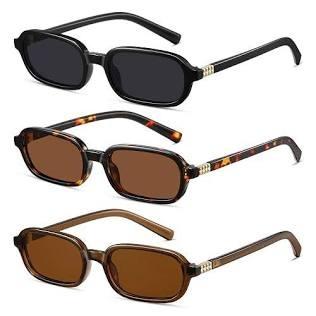
Rectangle sunglasses in classic frame colors. Source: Pacifiko.com
What Defines Rectangle Sunglasses and Why They Stand Out
A pair of rectangle sunglasses has lenses that are noticeably wider than they are tall. As a general rule of thumb, when lens height is roughly 70 percent or less of lens width, the silhouette reads clearly as rectangular rather than square.
Because the profile sits slimmer and more horizontal across the face, rectangular frames cover less vertical space above the brow and below the eye than oversized or round styles. That clean horizontal line gives eyewear a streamlined, structured look that transitions easily from casual errands to driving and outdoor outings.
Rectangle vs. Square Sunglasses
Square and rectangular frames share angular lines, yet they create different proportions on the face. Square lenses sit closer to an equal height-to-width ratio and add broader vertical structure, while rectangle sunglasses keep the profile lower and sleeker. Details like sharp corners, rim thickness, and top-bar lines also change how a frame reads once worn, so checking dimensions helps avoid surprises.
How Frame Materials and Lens Features Affect Performance
Good eyewear balances two distinct jobs: physical comfort on your head and nose, and visual clarity and protection through the lenses. Looking at both sides prevents you from buying a frame that looks good on a screen but feels heavy or harsh in bright sunlight.
-
Lightweight metals and alloys: Frames made from aluminum-magnesium alloy or titanium keep weight low while adding durability. Features such as flexible spring hinges and non-slip nose pads help the frame adapt to different head sizes and stay steady during movement.
-
TR90 and carbon fiber: Flexible polymers like TR90 and structured carbon fiber builds suit active routines, sports, and long outdoor wear where low weight and resilience matter.
-
UV400 protection: Quality lenses block UVA and UVB rays across the UV400 spectrum to protect eyes from harmful solar radiation.
-
Polarized lenses: Polarized filters cut reflected glare off flat surfaces such as wet roads, hoods, and water, which helps during driving, fishing, and bright outdoor days.
Matching Rectangle Sunglasses to Face Shape and Fit
Style labels only tell part of the story; actual measurements determine whether a frame sits comfortably without pinching or sliding. Checking a size chart against a pair you already own is one of the easiest ways to shop online accurately.
Sungait Sunglasses+ 1
-
Face shape balance: Angular rectangular frames add crisp definition to softer, rounder features and can create a slightly longer, slimmer visual line.
-
Total frame width: Many standard adult frames sit around 141mm to 144mm across the front, while narrower builds near 137mm fit smaller faces and wider frames around 148mm suit medium-to-wide faces.
-
Bridge and arm fit: Bridge width affects how pressure rests on the nose, while adjustable arms or temple length affect how securely the frame rests behind the ears.
How SUNGAIT Approaches Rectangle Eyewear
At SUNGAIT, the rectangle sunglasses lineup spans everyday metal builds, ultra-lightweight designs, vintage pilot-inspired profiles, and sport-ready options crafted from materials like aluminum-magnesium alloy, TR90, and carbon fiber. Many styles pair UV400 protection and polarized lenses with practical comfort touches such as spring hinges, adjustable arms, and anti-slip pads for driving, fishing, and daily wear.
The brand also backs eligible orders with policies such as free shipping on US orders, a 30-day return and exchange window, and a lifetime breakage warranty on qualifying non-promotional items. Checking individual product specifications remains helpful because sizing, lens types, and promotional terms can vary by model.
Conclusion
Choosing rectangle sunglasses comes down to pairing a slim horizontal silhouette with measurements and lens features that match how you live and move. When frame width, bridge comfort, UV400 shielding, and glare reduction align, a single pair can handle commuting, travel, and outdoor downtime with ease.
Before your next purchase, measure the width of a pair you already like and decide whether glare reduction is a priority for your daily routine. A few minutes with a size chart and lens checklist can save weeks of adjustment.
Frequently Asked Questions
How do I tell if a pair counts as rectangle sunglasses rather than square?
Compare the lens height to the lens width on the product size chart. When the lens height is roughly 70 percent or less of the lens width, the shape reads as rectangular, whereas heights closer to 80 percent or more of the width read more like a square.
Are rectangle sunglasses good for driving and outdoor activities?
Yes, many rectangular designs work well for driving and outdoor routines because their slim profile sits cleanly on the face and pairs easily with polarized UV400 lenses that cut harsh glare. Wrap or sport-focused rectangular styles can offer extra stability when you are active or on the water.
Do all rectangle sunglasses have polarized lenses?
No, frame shape does not automatically make a lens polarized. Always check the lens specification on the product page to confirm whether a pair includes polarization alongside UV400 protection.
What frame width should I look for when buying rectangle sunglasses?
Start by checking the front frame width in millimeters. Standard adult widths often fall between 141mm and 144mm, while narrower frames around 137mm suit smaller faces and wider frames around 148mm fit broader faces better.
Which face shapes pair best with rectangle sunglasses?
Rectangle frames are especially popular for adding clean angles and a slimmer look to rounder faces with softer curves. If you already have strong, angular jawlines, paying close attention to frame width and rim style helps keep the look balanced.

 English
 Arabic
 French
 Spanish
 Portuguese
 Deutsch
 Turkish
 Dutch
 Italiano
 Russian
 Romaian
 Greek
