


 About Urh Social
 Terms of Service
 Política de privacidade
 Contact
What Factors Influence Chemical Peel Selection at Tajmeels Clinic?
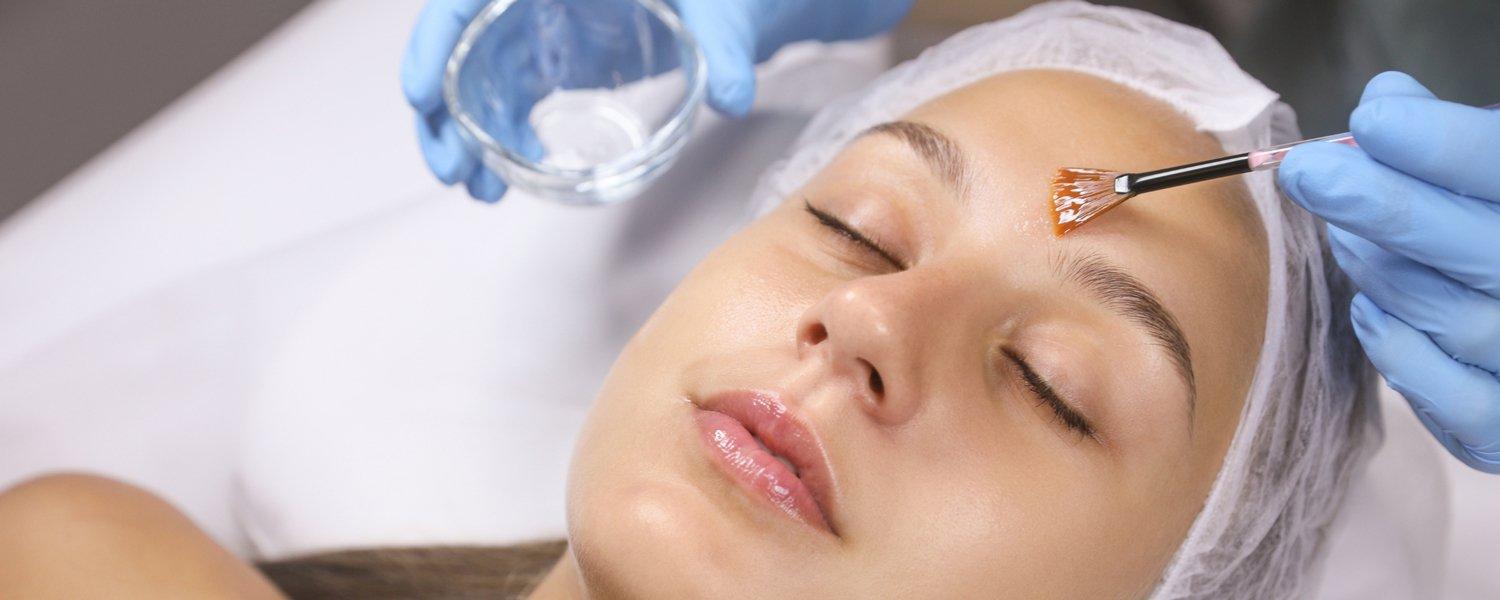
Chemical peels are popular skin rejuvenation treatments designed to improve skin texture, address uneven pigmentation, reduce the appearance of fine lines, and promote a smoother complexion. However, not every chemical peel is suitable for every individual. Selecting the right treatment requires understanding the skin's condition, sensitivity, medical history, and aesthetic goals. A personalised approach helps ensure that the chosen peel matches the patient's needs while supporting skin health and safety.
At Tajmeels Clinic, Chemical peel in Dubai selection involves considering several factors before recommending a suitable treatment. Understanding these factors helps patients make informed decisions and develop realistic expectations about their skin improvement journey.
Understanding Different Types of Chemical Peels
Chemical peels use carefully selected exfoliating ingredients to remove damaged outer skin cells and encourage skin renewal. Depending on their formulation and strength, they are generally classified into three categories.
-
Superficial Peels: These target the outermost layer of the skin and may help improve mild discolouration, dullness, and rough texture.
-
Medium-Depth Peels: These penetrate further into the skin and may address more noticeable pigmentation, certain acne marks, and fine lines.
-
Deep Peels: These reach deeper skin layers and are used for selected concerns under specialist supervision because they involve greater recovery time and potential risks.
The appropriate option depends on individual skin characteristics rather than simply choosing the strongest available treatment.
1. Skin Type and Natural Skin Characteristics
Skin type is one of the first considerations when selecting a chemical peel. Individuals may have oily, dry, combination, or normal skin, and each type can respond differently to exfoliating ingredients.
For example, oily skin may benefit from formulations that address excess sebum and clogged pores. Dry skin may require a more cautious approach to avoid excessive irritation or moisture loss. Combination skin can present different concerns across the forehead, nose, cheeks, and chin.
Natural skin characteristics also influence treatment planning. A professional assessment helps identify which ingredients and peel strengths are appropriate for the individual's complexion and skin condition.
2. Specific Skin Concerns and Treatment Goals
People consider chemical peels for different reasons. Some want to improve acne-related marks, while others are concerned about uneven skin tone, dullness, rough texture, or early signs of ageing.
The treatment selection process should focus on the primary concern rather than applying the same solution to everyone.
Common concerns include:
-
Uneven pigmentation and dark spots.
-
Mild acne-related discolouration.
-
Rough or uneven skin texture.
-
Congested pores and excess oil.
-
Fine lines and dull-looking skin.
Identifying the main concern allows the practitioner to consider suitable ingredients, treatment depth, and expected outcomes. Patients should also understand that certain pigmentation conditions may require alternative or additional treatments.
3. Skin Sensitivity and Irritation History
Skin sensitivity is another important factor when choosing a chemical peel. Some individuals experience redness, itching, dryness, or irritation when using exfoliating skincare products.
A history of sensitivity to active ingredients, previous cosmetic treatments, or skin allergies should be discussed during the consultation.
For sensitive skin, a practitioner may recommend a gentler formulation or postpone treatment until the skin barrier has recovered. Applying an unsuitable peel can increase the risk of inflammation, prolonged redness, and pigmentation changes.
A careful assessment helps determine whether the skin can tolerate the proposed treatment.
4. Skin Tone and Risk of Pigmentation Changes
Different skin tones can have different responses to chemical exfoliation. Individuals with darker skin tones may have a higher risk of developing post-inflammatory hyperpigmentation following irritation or inflammation.
This does not automatically mean that chemical peels are unsuitable. However, treatment selection requires additional consideration of skin history, pigmentation patterns, peel ingredients, and treatment depth.
A conservative approach, appropriate preparation, and careful aftercare can help reduce avoidable complications. Patients should receive recommendations based on their individual skin characteristics rather than general assumptions about complexion.
5. Medical History and Current Skincare Routine
Medical history plays an important role in determining chemical peel suitability. Certain skin conditions, medications, and previous procedures can affect how the skin responds to treatment.
During an assessment, patients should disclose:
-
Current prescription and non-prescription skincare products.
-
Recent use of retinoids or strong exfoliating ingredients.
-
History of cold sores or recurring skin infections.
-
Previous chemical peels or cosmetic procedures.
-
Active acne, eczema, or other inflammatory skin conditions.
-
Allergies and previous reactions to skincare ingredients.
Some medications and skincare ingredients may need to be adjusted before treatment under professional guidance. Active infections, irritated skin, or certain medical conditions may require postponing the procedure.
6. Lifestyle and Sun Exposure
Lifestyle habits can influence both treatment suitability and recovery. Frequent sun exposure is particularly important because freshly exfoliated skin can become more vulnerable to ultraviolet damage.
People who spend considerable time outdoors, travel frequently, or cannot consistently follow sun-protection recommendations may need to reconsider their treatment timing.
After a chemical peel, following appropriate skincare instructions is essential. Daily broad-spectrum sunscreen, gentle cleansing, and avoiding unnecessary exfoliation can support recovery.
Patients should also avoid picking or peeling flaking skin, as this may increase the risk of irritation and scarring.
7. Previous Treatment Results and Skin Response
Previous experiences with chemical peels provide useful information when planning future sessions. Some individuals may have experienced temporary redness or dryness, while others may have developed unexpected pigmentation changes.
Practitioners consider these responses when deciding whether to repeat a treatment, modify its strength, or explore a different approach.
A previous successful treatment does not guarantee identical results in future sessions because skin condition, environmental exposure, and overall health can change over time.
How Tajmeels Clinic Personalises Chemical Peel Selection
At tajmeels clinic dubai, chemical peel selection is approached through individual skin assessment and consultation. The process considers skin type, pigmentation concerns, sensitivity, medical history, current skincare habits, and desired improvements.
Rather than recommending a standard peel for everyone, the clinic focuses on identifying an appropriate treatment approach for each patient's needs. Patients can discuss their concerns, understand the available options, and receive guidance about preparation, possible side effects, recovery, and aftercare.
This personalised approach helps establish realistic expectations while prioritising skin safety and suitable treatment planning.
What Should You Expect Before a Chemical Peel?
Before undergoing treatment, patients should expect a consultation and skin evaluation. The practitioner may examine skin texture, pigmentation, oil levels, and signs of irritation.
Patients should ask about the ingredients being used, expected recovery period, potential side effects, and recommended number of sessions. It is also important to understand that results vary depending on the peel formulation, skin condition, and individual response.
Chemical peels are not appropriate for everyone, and some skin concerns may respond better to alternative treatments.
Conclusion
Choosing the right chemical peel involves more than identifying a skin concern. Skin type, sensitivity, pigmentation risk, medical history, lifestyle, and previous treatment experiences all influence the selection process. A professional assessment helps determine whether a superficial, medium-depth, or alternative treatment is appropriate. With personalised planning and proper aftercare, patients can make informed decisions about improving their skin texture, tone, and overall appearance.
More Information
Tajmeels Clinic Dubai
WhatsApp: +971 56 203 8751
Phone: tel:+971 43739000
Social Media:

 English
 Arabic
 French
 Spanish
 Portuguese
 Deutsch
 Turkish
 Dutch
 Italiano
 Russian
 Romaian
 Greek
