


 About Urh Social
 Terms of Service
 Política de privacidade
 Contact
Glycolic vs Salicylic vs Mandelic Acid: Matching Formulations for a Chemical Peel in Dubai
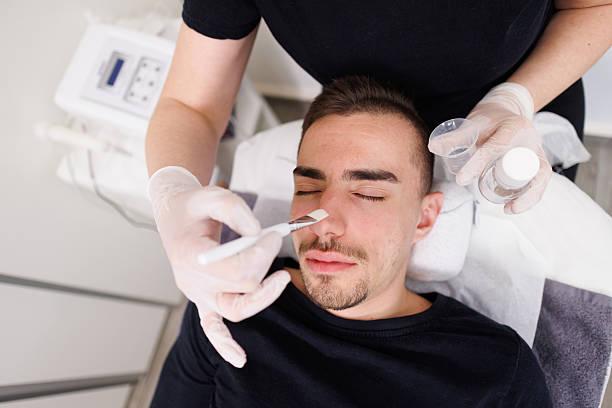
Not all exfoliating acids address the same skin concerns. Glycolic acid is often selected for surface texture and dullness, salicylic acid is commonly considered for oily and congested skin, and mandelic acid may be useful in selected routines for patients who need a more gradual exfoliating approach. When choosing a Chemical Peel in Dubai, understanding these differences helps patients appreciate why the most suitable formulation depends on skin type, treatment goals, and sensitivity rather than popularity or concentration alone.
Why Acid Selection Matters in Professional Skin Resurfacing
Chemical peels use carefully selected ingredients to encourage controlled exfoliation. Although several acids can improve the appearance of uneven skin, their chemical structures influence how they interact with the skin.
A formulation suitable for oily, congested skin may not be the first choice for someone with a sensitive skin barrier. Similarly, pigmentation concerns require careful consideration because excessive inflammation can sometimes worsen discoloration.
A specialist evaluates the skin before selecting an acid and determining whether a superficial peel or another treatment approach is more appropriate.
Glycolic Acid: Supporting Texture and Surface Renewal
Glycolic acid is an alpha hydroxy acid (AHA). It is water-soluble and has a relatively small molecular structure, allowing it to interact effectively with the outer skin layers.
It is commonly used in formulations designed to improve the appearance of dullness, rough texture, and selected superficial pigmentation concerns.
Potential Benefits of Glycolic Acid
Depending on the formulation and patient's skin condition, glycolic acid may help:
-
Improve the appearance of rough surface texture.
-
Reduce the buildup of dead skin cells.
-
Support a brighter-looking complexion.
-
Improve the appearance of some superficial dark marks.
-
Soften the appearance of mild fine lines.
Glycolic acid can be more irritating for some individuals, particularly when the skin barrier is already compromised. It may not be suitable for every sensitive-skin patient.
Who May Be Considered for Glycolic Acid?
A clinician may consider a glycolic formulation for patients with dullness, uneven surface texture, or selected superficial pigmentation concerns.
The patient's history of irritation, sun exposure, previous peels, and skincare routine should be reviewed before treatment.
Salicylic Acid: An Option for Oily and Congested Skin
Salicylic acid is a beta hydroxy acid (BHA). Unlike water-soluble AHAs, it is lipid-soluble, meaning it has an affinity for oils.
This property makes it particularly relevant in formulations intended for oily or congested skin. It can help exfoliate within oil-rich pores and is commonly used in acne-focused skincare.
Potential Benefits of Salicylic Acid
A suitable salicylic acid peel may help:
-
Reduce the appearance of clogged pores.
-
Improve the appearance of blackheads and whiteheads.
-
Support management of some acne-prone skin concerns.
-
Reduce surface buildup associated with congestion.
-
Improve the appearance of uneven texture.
Salicylic acid is not a complete treatment for every type of acne. Severe inflammatory acne, painful nodules, or widespread breakouts may require a broader medical treatment plan.
Who May Be Considered for Salicylic Acid?
It may be considered for individuals with oily skin, comedonal acne, and selected forms of congestion.
Patients should disclose allergies, medical conditions, and current acne treatments. Salicylic acid suitability also requires special consideration in people with relevant sensitivities or medical circumstances.
Mandelic Acid: A Different Approach to Exfoliation
Mandelic acid is another AHA. Its molecular structure is larger than that of glycolic acid, which generally results in slower penetration through the outer skin layers.
It is often discussed as an option for patients who may benefit from a more gradual exfoliating approach. However, it should not automatically be described as irritation-free or suitable for every sensitive skin type.
Potential Benefits of Mandelic Acid
Depending on the formulation, mandelic acid may be considered for:
-
Mild uneven skin texture.
-
Dullness and surface buildup.
-
Selected acne-prone skin concerns.
-
Some superficial pigmentation irregularities.
-
Patients who need a carefully selected exfoliation option.
A history of sensitivity, active inflammation, and previous reactions should still be considered before treatment.
Glycolic vs Salicylic vs Mandelic Acid: Key Differences
| Feature | Glycolic acid | Salicylic acid | Mandelic acid |
|---|---|---|---|
| Acid category | AHA | BHA | AHA |
| Solubility | Water-soluble | Lipid-soluble | Water-soluble |
| Common focus | Surface texture and dullness | Oily and congested skin | Gradual exfoliation and selected uneven-texture concerns |
| Typical consideration | Superficial pigmentation and roughness | Comedones and acne-prone skin | Selected sensitive or acne-prone skin |
| Main caution | Irritation and sensitivity | Product-specific contraindications and irritation | Sensitivity is still possible |
These are general distinctions. The actual effect depends on the complete formulation, not just the acid name.
Read More: Lipo Chest Surgery in Dubai: Tips for a Smooth Recovery
Matching the Formulation to Your Skin Concern
The same patient may have more than one skin concern. For example, oily skin can also experience post-acne pigmentation, while sensitive skin may have uneven texture and dryness.
For Oily and Congested Skin
A salicylic acid formulation may be considered when clogged pores and excess oil are prominent concerns. The clinician should assess whether active acne is mild enough for a peel-based approach or needs additional treatment.
For Dullness and Rough Texture
Glycolic acid may be considered for selected cases where surface buildup and uneven texture are the main concerns.
The treatment must be balanced against the patient's tolerance and risk of irritation.
For Patients Requiring a Gradual Exfoliating Approach
Mandelic acid may be considered in selected cases where a gentler-feeling exfoliation option is preferred. Individual response varies, so a consultation remains essential.
For Uneven Pigmentation
All three acids may be used in different formulations for selected pigmentation concerns, but they are not interchangeable. Melasma, post-inflammatory pigmentation, and sunspots have different causes and may need different treatment strategies.
Can These Acids Be Combined?
Some professional formulations combine multiple exfoliating ingredients. A combination may be designed to address more than one skin concern, but using several acids does not automatically improve results.
The overall formulation, strength, skin condition, and expected recovery must be considered. Combining active ingredients can increase irritation if the product is unsuitable or the skin is not adequately prepared.
Patients should avoid layering professional peel products or adding extra exfoliating products at home unless specifically instructed.
What to Expect After an Acid-Based Chemical Peel in Dubai
Recovery varies by acid, formulation, treatment depth, and individual skin response.
Possible temporary effects include:
-
Redness.
-
Mild stinging or warmth.
-
Dryness and tightness.
-
Flaking or peeling.
-
Temporary sensitivity.
Patients should follow the recommended cleansing, moisturising, and sun-protection routine. Picking or pulling at peeling skin can increase the risk of irritation, pigmentation changes, and scarring.
When an Acid Peel May Not Be Appropriate
A chemical peel may need to be postponed or avoided in the presence of active skin infection, open wounds, significant irritation, or certain medical conditions.
Patients should also disclose:
-
Current or recent prescription acne treatments.
-
Retinoid and exfoliating skincare use.
-
Known allergies or previous reactions.
-
A history of cold sores.
-
Recent tanning or intense sun exposure.
-
Previous chemical peels or resurfacing procedures.
A specialist can determine whether treatment is appropriate or whether another option is safer.
Clinic Note
Glycolic, salicylic, and mandelic acids have different properties and clinical uses. The best choice is determined by the patient's skin concern and tolerance, not by selecting the highest concentration or assuming one acid is universally superior.
Frequently Asked Questions
Is glycolic acid better than salicylic acid?
Neither is universally better. Glycolic acid is commonly used for surface texture and dullness, while salicylic acid is often selected for oily and congested skin.
Is mandelic acid suitable for sensitive skin?
It may be considered for selected patients because of its larger molecular structure, but sensitivity and irritation are still possible. Professional assessment is important.
Which acid is commonly used for blackheads?
Salicylic acid is often considered for blackheads because it is lipid-soluble and can interact with oil-rich pores.
Can glycolic acid improve dark spots?
It may help with selected superficial pigmentation concerns. Deeper pigmentation and melasma require careful diagnosis and may need a broader treatment plan.
Can different acids be used in one peel?
Some professional formulations combine acids, but suitability depends on the complete product and the patient's skin condition. Combining acids is not automatically more effective.
Personalized Acid Selection at Tajmeels Clinic
Selecting an exfoliating acid should begin with an understanding of the skin rather than a preference for a particular ingredient. At Tajmeels Clinic, patients considering a Chemical Peel in Dubai can discuss whether glycolic, salicylic, mandelic, or another formulation is appropriate for their concerns. An individualized approach helps balance expected improvement, skin tolerance, and recovery requirements.

 English
 Arabic
 French
 Spanish
 Portuguese
 Deutsch
 Turkish
 Dutch
 Italiano
 Russian
 Romaian
 Greek
