


 About Urh Social
 Terms of Service
 Privacy Policy
 Contact
Exploring Japan’s Northern Alps: A Memorable Hiking Adventure Through Mountain Landscapes
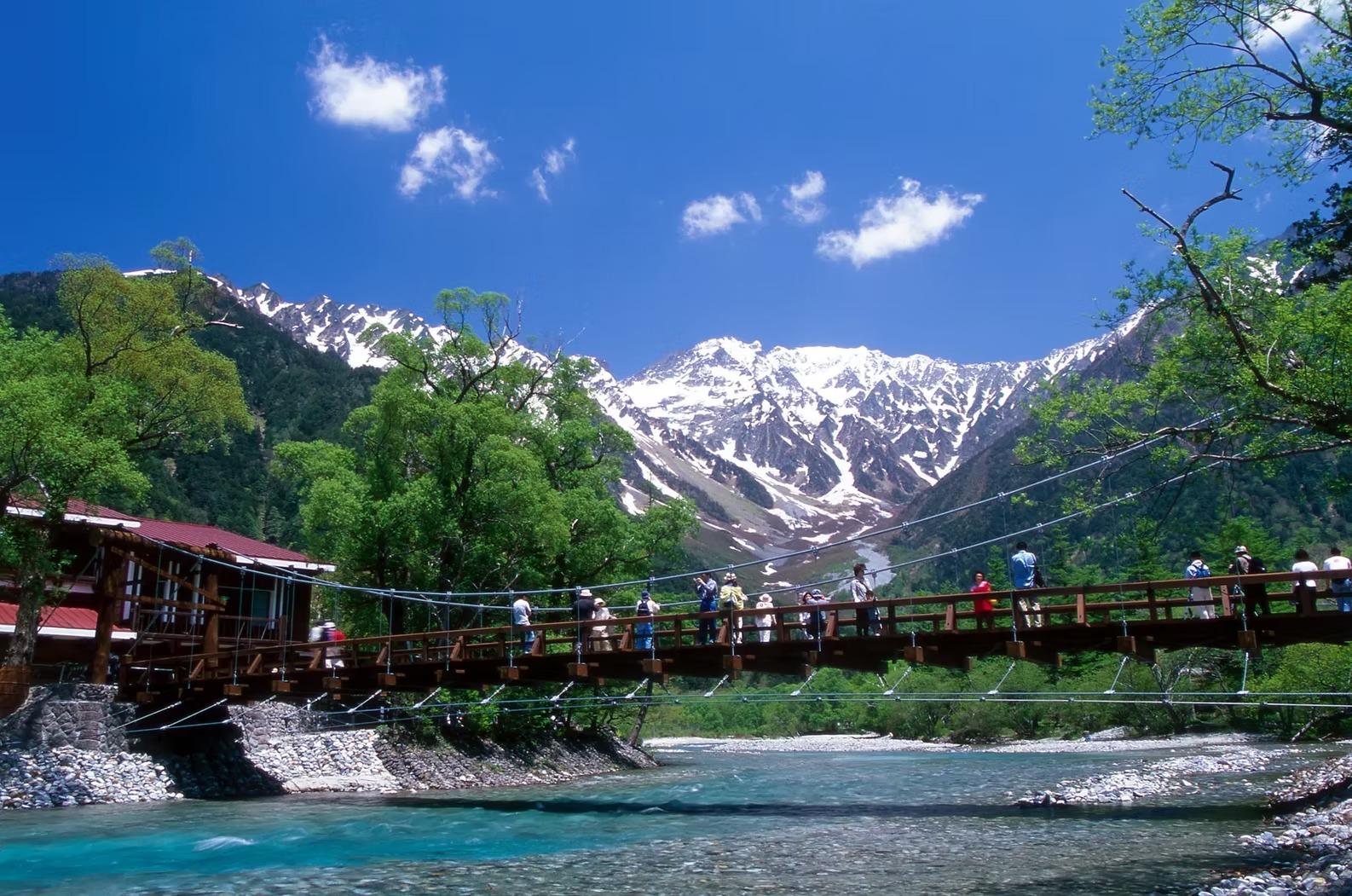
Japan is famous for its vibrant cities, historic temples, and cultural traditions, but its mountainous regions offer an entirely different travel experience. The Northern Alps, located in central Japan, attract outdoor enthusiasts with dramatic peaks, peaceful valleys, alpine forests, and scenic hiking routes. A Northern Alps hiking tour offers an opportunity to discover this remarkable landscape while enjoying fresh mountain air, beautiful natural surroundings, and a deeper connection with Japan beyond its busy urban destinations.
Whether you are an experienced hiker or someone who enjoys exploring nature at a comfortable pace, the Japanese Alps provide a memorable setting for outdoor adventure.
Discovering Japan’s Northern Alps
The Northern Alps, also known as the Hida Mountains, stretch across parts of Nagano, Toyama, and Gifu prefectures. They form one of Japan's most impressive mountain ranges, featuring rugged peaks, deep valleys, alpine meadows, and forests that change beautifully with the seasons.
Some of the country's highest mountains are found in this region, creating spectacular scenery for hikers and photographers. Unlike crowded city attractions, many mountain areas offer a quieter atmosphere where visitors can appreciate the natural environment.
The region is also closely connected with traditional mountain communities, local food culture, and outdoor recreation. This combination makes it an appealing destination for travelers who want to experience Japan's natural beauty alongside its cultural character.
What Makes Hiking in the Northern Alps Special?
Spectacular Mountain Views
One of the main reasons travelers visit the Northern Alps is the scenery. Towering mountain peaks, rocky ridges, green valleys, and clear streams create impressive views throughout the region.
On suitable trails, hikers can enjoy panoramic landscapes that reveal the scale and beauty of the Japanese mountains. Clear weather can provide especially rewarding opportunities for photography and sightseeing.
Beautiful Seasonal Landscapes
Each season brings a different atmosphere to the Northern Alps.
Spring introduces fresh greenery and melting snow in lower areas, while summer offers lush forests and alpine vegetation. Autumn is particularly popular because mountain slopes transform into a mixture of red, orange, and golden colors. Winter brings heavy snowfall and challenging mountain conditions, making many high-altitude hiking routes unsuitable without specialist preparation.
Choosing the right season is important because weather, trail conditions, and accessibility can change considerably throughout the year.
A Peaceful Escape from Urban Life
Japan's major cities are exciting, but their busy streets and crowded transportation systems can sometimes feel overwhelming. Mountain destinations offer a welcome contrast.
Walking along forest paths, listening to flowing water, and taking breaks surrounded by natural scenery can make the journey feel relaxing and refreshing. The slower pace also allows visitors to appreciate small details that are easy to overlook during a fast-paced sightseeing itinerary.
Popular Areas to Explore in the Northern Alps
The region contains several well-known destinations that appeal to different types of outdoor travelers.
Kamikochi: A Beautiful Alpine Valley
Kamikochi is one of the most celebrated natural destinations in the Japanese Alps. Located within Chubu Sangaku National Park, this scenic valley is known for its clear rivers, forest trails, mountain views, and peaceful atmosphere.
The Azusa River flows through the valley, creating beautiful viewpoints around Kappa Bridge and nearby walking paths. Visitors can enjoy relatively gentle walks while appreciating the surrounding peaks.
Kamikochi is an excellent choice for travelers who want to experience alpine scenery without committing to a demanding mountain ascent.
Mount Hotaka: A Challenge for Experienced Hikers
The Hotaka mountain range features some of Japan's most dramatic alpine terrain. Its rugged peaks and steep routes attract experienced climbers looking for a more demanding outdoor adventure.
Certain routes involve exposed sections, significant elevation changes, and challenging weather conditions. Proper equipment, physical preparation, and knowledge of mountain safety are essential.
These mountains are better suited to hikers with suitable experience rather than visitors seeking a casual sightseeing walk.
Mount Yari: An Iconic Mountain Peak
Mount Yari is easily recognized by its distinctive pointed summit. Its dramatic appearance has made it one of the most famous mountains in Japan.
Reaching the summit requires considerable effort, and the final approach includes technically demanding terrain. It is a rewarding destination for well-prepared mountaineers, but not an appropriate objective for inexperienced hikers.
Even visitors who do not plan to climb Mount Yari can appreciate its impressive presence from surrounding mountain areas.
Choosing the Right Hiking Route
The Northern Alps offer hiking experiences for different fitness levels and interests. Selecting a suitable route is important for making the experience enjoyable and safe.
Easy Nature Walks
Travelers who prefer a relaxed outdoor experience can explore relatively flat walking paths around alpine valleys. These routes are ideal for enjoying mountain views, taking photographs, and discovering local plants and wildlife without undertaking a demanding climb.
Kamikochi offers several accessible walking options, including routes around Kappa Bridge, Taisho Pond, and Myojin Pond.
Moderate Mountain Trails
Hikers with some outdoor experience may prefer trails involving gradual elevation changes, forest paths, and longer walking distances. These routes provide a greater sense of adventure while offering opportunities to explore less crowded areas.
A reasonable level of fitness, suitable footwear, and awareness of changing weather conditions are important for this type of hiking.
Challenging Alpine Adventures
Experienced hikers can explore more demanding mountain routes involving steep climbs, rocky paths, and significant elevation gains. These adventures require proper preparation, navigation skills, suitable equipment, and an understanding of alpine conditions.
Not every mountain route is appropriate for casual visitors. Choosing a trail according to personal experience is essential.
Best Time to Visit the Northern Alps
Timing can significantly influence the overall hiking experience. Mountain weather changes quickly, and trail accessibility depends on altitude, snowfall, and seasonal conditions.
Spring: Lower valleys begin to develop fresh greenery, while higher elevations may still have substantial snow. Some mountain facilities and trails may remain inaccessible.
Summer: This is generally the main season for hiking in higher alpine areas. Trails become more accessible, mountain vegetation flourishes, and many mountain huts welcome visitors.
Autumn: The region becomes especially attractive as forests and mountain slopes develop colorful foliage. Cooler temperatures create pleasant conditions for many walking routes, although snow can arrive at higher elevations.
Winter: Heavy snowfall, avalanches, and difficult weather make many Northern Alps routes unsuitable for ordinary hiking. Winter mountaineering requires specialist equipment, experience, and careful planning.
Visitors should always confirm current trail conditions, weather forecasts, and facility opening dates before travelling.
What to Pack for a Northern Alps Hiking Trip
Having the right equipment makes a significant difference when exploring mountainous environments. Even a relatively easy route can become uncomfortable when visitors are unprepared for changing temperatures or unexpected rain.
Useful items include:
-
Comfortable hiking footwear: Shoes or boots with suitable grip and support help improve stability on uneven terrain.
-
Layered clothing: Temperatures can change considerably between valleys and higher elevations.
-
Water and snacks: Carry enough drinking water and food for the planned route.
-
Weather protection: A waterproof jacket and suitable outdoor clothing provide protection against unexpected rain and wind.
-
Navigation equipment: A trail map, offline navigation application, or other reliable navigation tools can help prevent getting lost.
-
First-aid supplies: A small first-aid kit is useful for dealing with minor injuries.
-
Sun protection: Sunglasses, sunscreen, and a hat help protect against strong sunlight at higher elevations.
For demanding routes, additional equipment may be necessary. Hikers should follow route-specific recommendations rather than assuming that basic walking gear will be sufficient.
Responsible Hiking and Protecting the Natural Environment
The Northern Alps contain valuable natural habitats that deserve careful protection. Responsible tourism helps preserve these landscapes for future generations.
Visitors should remain on designated trails, avoid disturbing wildlife, and never remove plants, rocks, or other natural materials. Carrying rubbish back rather than leaving it along the route is another important practice.
Respecting local guidelines is equally important. Some areas have restrictions on camping, access, and seasonal activities. Following these rules helps protect the environment and supports sustainable tourism.
Mountain safety should also remain a priority. Check weather forecasts before departure, inform someone about your hiking plans, and avoid continuing when conditions become dangerous. If a route is beyond your ability, choosing a shorter alternative is always a sensible decision.
Making the Journey More Convenient
Planning transportation and access is an important part of exploring Japan's mountainous regions. Some hiking destinations are located far from major railway stations, while others require transfers between trains, buses, and local transportation services.
A well-organized travel arrangement can make the journey more comfortable, especially for international visitors unfamiliar with local routes and transportation schedules.
Private transportation can be particularly useful when travelling with hiking equipment, luggage, or family members. It also provides greater flexibility when arranging sightseeing stops around the mountain region.
Travelers can benefit from planning their hiking route, transportation, and return journey together. This reduces unnecessary delays and allows more time to enjoy the destination.
Frequently Asked Questions
Are the Northern Alps suitable for beginner hikers?
Yes. The region includes accessible walking paths and relatively gentle routes, particularly around Kamikochi. Beginners should choose clearly marked trails that match their fitness level and avoid technical mountain routes.
How many days are needed to explore the Northern Alps?
A day trip can be enough to enjoy a scenic valley and several walking trails. However, travelers interested in longer hikes, mountain huts, or multiple destinations may benefit from spending two or more days in the region.
Is hiking in the Northern Alps possible throughout the year?
Not all trails are accessible year-round. Many popular hiking areas operate seasonally, while high-altitude routes can experience heavy snow and dangerous winter conditions. Visitors should check local access information before planning their trip.
What fitness level is required?
It depends on the selected route. Easy valley walks require relatively little preparation, while challenging alpine climbs demand greater endurance, strength, and technical ability.
Can visitors enjoy the Northern Alps without climbing a mountain?
Absolutely. Scenic valleys, riverside paths, forest walks, and mountain viewpoints provide plenty of opportunities to appreciate the landscape without attempting a summit.
Conclusion
Japan's Northern Alps offer an exceptional combination of mountain scenery, peaceful walking routes, outdoor adventure, and natural beauty. From the accessible trails of Kamikochi to the challenging peaks of the Hotaka range and Mount Yari, the region provides memorable experiences for a wide variety of outdoor enthusiasts.
A successful hiking adventure begins with choosing an appropriate route, preparing the right equipment, and understanding local weather and trail conditions. With thoughtful planning and respect for the natural environment, visitors can discover a different side of Japan and create lasting memories among its magnificent mountains.

 English
 Arabic
 French
 Spanish
 Portuguese
 Deutsch
 Turkish
 Dutch
 Russian
 Romaian
 Portuguese (Brazil)
 Greek
