


 About Urh Social
 Terms of Service
 Política de Privacidade
 Contact
Wheel Hub Assembly Replacement: Signs, Steps, and Tips for a Reliable Repair
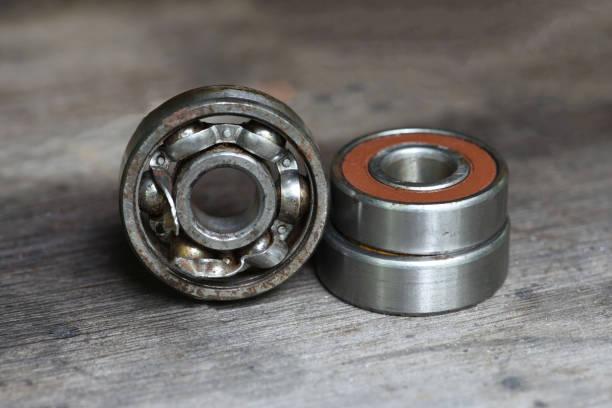
A vehicle's wheel hub assembly plays an essential role in maintaining smooth wheel rotation, stable handling, and safe braking performance. It connects the wheel to the vehicle's suspension system while supporting the loads generated during everyday driving. Over time, worn bearings, damaged seals, corrosion, or road impacts can affect its performance. Understanding wheel hub assembly replacement helps vehicle owners recognize potential problems, choose suitable replacement components, and understand what is involved in restoring reliable wheel-end performance.
What Is a Wheel Hub Assembly?
A wheel hub assembly is a component that connects the vehicle's wheel to the axle or steering knuckle. It typically incorporates a wheel hub and bearing into one integrated unit, although the exact configuration depends on the vehicle.
The hub provides the mounting surface for the wheel and, in many designs, the brake rotor. The bearing allows the wheel to rotate smoothly while supporting the vehicle's weight and handling forces.
Modern assemblies may also include additional features such as:
-
Wheel studs or mounting flanges
-
Sealed bearing units
-
ABS wheel speed sensors
-
Magnetic encoder rings
-
Integrated seals and protective components
Because these parts work together, the assembly must be manufactured with accurate dimensions and appropriate load-bearing characteristics.
Why Is the Wheel Hub Assembly Important?
The wheel hub assembly contributes to several important vehicle functions.
Smooth Wheel Rotation
The bearing inside the assembly reduces friction between moving surfaces. This allows the wheel to rotate efficiently while supporting the vehicle's weight.
Vehicle Stability and Handling
The assembly helps maintain the correct position of the wheel relative to the suspension and steering system. Excessive bearing wear can introduce unwanted movement, potentially affecting steering response and stability.
Supporting the Braking System
On many vehicles, the brake rotor is mounted directly against the hub. A properly functioning hub helps maintain consistent rotor positioning and supports effective braking operation.
ABS and Electronic Safety Systems
Many modern hub assemblies incorporate wheel speed sensors or magnetic encoders. These components provide important information to the anti-lock braking system and, where equipped, traction and stability control systems.
A damaged sensor or encoder can interfere with wheel-speed readings and trigger warning lights.
Common Signs That a Wheel Hub Assembly Needs Replacement
Wheel hub problems can develop gradually. Recognizing the symptoms early can help prevent further damage to related components.
Humming or Grinding Noise
A continuous humming, rumbling, or grinding sound near one of the wheels may indicate bearing deterioration. The noise often changes with vehicle speed and may become more noticeable during turns.
However, tire noise, drivetrain problems, and other mechanical faults can produce similar sounds. Proper diagnosis is necessary before replacing the assembly.
Steering Wheel Vibration
A worn hub bearing can allow excessive movement within the wheel-end system. Drivers may experience vibration through the steering wheel, particularly at higher speeds.
Wheel imbalance, damaged tires, and suspension problems should also be considered during diagnosis.
Excessive Wheel Play
If the bearing becomes significantly worn, the wheel may develop abnormal looseness. A mechanic can check for excessive movement during a controlled inspection with the vehicle safely raised.
This condition should be addressed promptly because it can affect vehicle stability and safety.
ABS Warning Light
When an assembly contains an integrated wheel speed sensor or encoder, damage to either component may interrupt the signal sent to the ABS control module.
An ABS warning light can indicate a sensor issue, damaged wiring, or another braking-system fault. Diagnostic testing can help identify the cause.
Uneven Brake Performance
A damaged hub or excessive bearing movement may affect the positioning of the brake rotor. In some cases, drivers may notice vibration during braking or inconsistent brake behavior.
The braking system should be inspected carefully rather than assuming the hub assembly is the only source of the problem.
Common Causes of Wheel Hub Assembly Failure
Several factors can contribute to premature wear or damage.
Natural wear: Bearings experience continuous rotation and mechanical loading. Over time, internal surfaces and seals can deteriorate.
Road impacts: Potholes, rough roads, and strong impacts can place excessive stress on the hub and bearing.
Water and dirt contamination: Damaged seals may allow moisture and contaminants to enter the bearing, affecting lubrication and internal surfaces.
Incorrect installation: Improper pressing techniques, unsuitable tools, or incorrect fastener torque can damage a replacement assembly.
Excessive heat: High temperatures can affect bearing lubrication and accelerate component deterioration.
Corrosion: Exposure to moisture and road contaminants can cause corrosion around mounting surfaces and fasteners, making inspection and removal more difficult.
How Wheel Hub Assembly Replacement Is Performed
The replacement procedure varies according to the vehicle's design. A bolt-on hub assembly generally requires a different process from a press-in bearing and separate hub configuration.
However, a typical repair includes the following stages.
1. Diagnose the Problem
The mechanic should first confirm that the hub assembly is responsible for the reported symptoms. This may involve checking for bearing noise, excessive play, wheel rotation irregularities, and relevant ABS diagnostic codes.
Replacing parts without identifying the actual problem can lead to unnecessary expenses.
2. Prepare the Vehicle
The vehicle must be parked on a level surface and secured properly. The wheel is then removed after the vehicle has been safely raised and supported with appropriate equipment.
A vehicle should never be supported by a hydraulic jack alone while someone is working underneath it.
3. Remove the Brake Components
Depending on the vehicle, the technician may need to remove the brake caliper, caliper bracket, and rotor to access the hub assembly.
The brake caliper should be supported correctly to avoid putting unnecessary strain on its hydraulic hose.
4. Remove the Old Hub Assembly
The mechanic disconnects any integrated sensor wiring and removes the relevant mounting fasteners.
On bolt-on designs, the hub assembly can usually be separated from the steering knuckle once the fasteners are removed. Corrosion may make this step more difficult.
Press-in configurations require additional equipment and careful handling to remove the bearing and hub without damaging surrounding components.
5. Inspect the Mounting Area
Before fitting the replacement, the technician should inspect the steering knuckle, axle splines, mounting surfaces, brake components, and electrical connections.
Rust, dirt, and damaged surfaces should be addressed according to the manufacturer's service instructions.
6. Install the Replacement Assembly
The new component must match the vehicle's specifications. It should be positioned correctly and secured using the prescribed fasteners and torque values.
If the assembly includes an ABS sensor or magnetic encoder, the technician must handle these parts carefully and ensure that all connections are properly fitted.
7. Reassemble and Test
The brake components and wheel are reinstalled according to the correct procedure. The technician should check wheel rotation, brake operation, sensor connections, and relevant warning lights.
A road test may then be performed to confirm that the original symptoms have been resolved.
Choosing the Right Replacement Wheel Hub Assembly
Not all wheel hub assemblies are interchangeable. Even components that look similar can have different dimensions, mounting arrangements, and sensor configurations.
Before purchasing a replacement, consider these important factors:
-
Vehicle compatibility: Verify the make, model, year, engine configuration, and axle position.
-
Original equipment number: Compare the existing component's part number with the replacement catalogue.
-
Mounting configuration: Confirm the bolt pattern, flange dimensions, and installation arrangement.
-
Bearing specifications: Check the relevant dimensions and load requirements.
-
ABS compatibility: Determine whether the vehicle requires an integrated sensor or magnetic encoder.
-
Manufacturing quality: Look for precise machining, durable materials, reliable sealing, and consistent quality control.
A suitable wheel bearing kit may include additional parts such as seals, retaining rings, or mounting hardware. Reviewing the package contents before ordering helps ensure that the required components are available.
Mistakes to Avoid During Replacement
Even a high-quality hub assembly can experience premature failure if installation procedures are not followed correctly.
One common mistake is selecting a replacement based only on appearance. Vehicle-specific part numbers and specifications should always be checked.
Another issue is applying excessive force during installation. Pressing against the wrong bearing race can damage internal components, even when the bearing is new.
Mechanics should also avoid reusing single-use fasteners when the manufacturer requires replacement. Axle nuts and mounting bolts must be tightened to the specified torque rather than estimated by feel.
Finally, the ABS wiring and encoder should be inspected carefully. Damaging these components during installation can create electronic braking-system problems.
How to Extend the Service Life of a New Hub Assembly
Good driving and maintenance practices can help reduce unnecessary stress on wheel-end components.
-
Avoid driving aggressively over potholes and rough surfaces.
-
Maintain correct tire pressure.
-
Address unusual wheel noises as soon as they appear.
-
Inspect suspension and brake components during routine servicing.
-
Repair damaged seals and protect exposed mounting areas from contamination.
-
Follow the manufacturer's installation and torque specifications.
Regular inspections are particularly useful for identifying early signs of bearing deterioration before excessive wear develops.
Frequently Asked Questions
How long does wheel hub assembly replacement take?
The time depends on the vehicle's design, corrosion level, and repair complexity. A straightforward bolt-on hub replacement is generally quicker than a repair involving a press-in bearing or additional suspension disassembly.
Can I replace a wheel hub assembly myself?
Experienced DIY mechanics may be able to replace certain bolt-on assemblies using suitable tools and vehicle-specific instructions. Press-in designs often require specialized equipment and greater technical experience.
Should both front wheel hub assemblies be replaced together?
Not necessarily. Each assembly should be inspected individually. If one has failed, the other does not automatically require replacement, although checking both sides for wear is sensible.
Does a new wheel hub assembly include an ABS sensor?
Some assemblies include an integrated ABS sensor or encoder, while others require separate components. Always check the product specifications and confirm compatibility with the vehicle.
Is it safe to drive with a noisy wheel hub?
Driving with a suspected failing hub assembly is not recommended. Severe bearing deterioration can affect wheel stability and potentially lead to dangerous mechanical failure. Arrange a professional inspection as soon as possible.
Conclusion
Wheel hub assembly replacement is an important repair that helps maintain smooth wheel rotation, dependable braking, and stable vehicle handling. Unusual noises, vibration, excessive wheel movement, and ABS warnings can all indicate a problem that requires attention.
Accurate diagnosis, correct component selection, and careful installation are essential for a successful repair. By using a compatible replacement assembly and following the manufacturer's service recommendations, vehicle owners can support reliable wheel-end performance and reduce the risk of further mechanical problems.

 English
 Arabic
 French
 Spanish
 Deutsch
 Turkish
 Dutch
 Italiano
 Russian
 Romaian
 Portuguese (Brazil)
 Greek
