


 About Urh Social
 Terms of Service
 Privacy Policy
 Contact
How Electrical Track Vehicle Systems Support Industrial Manufacturing
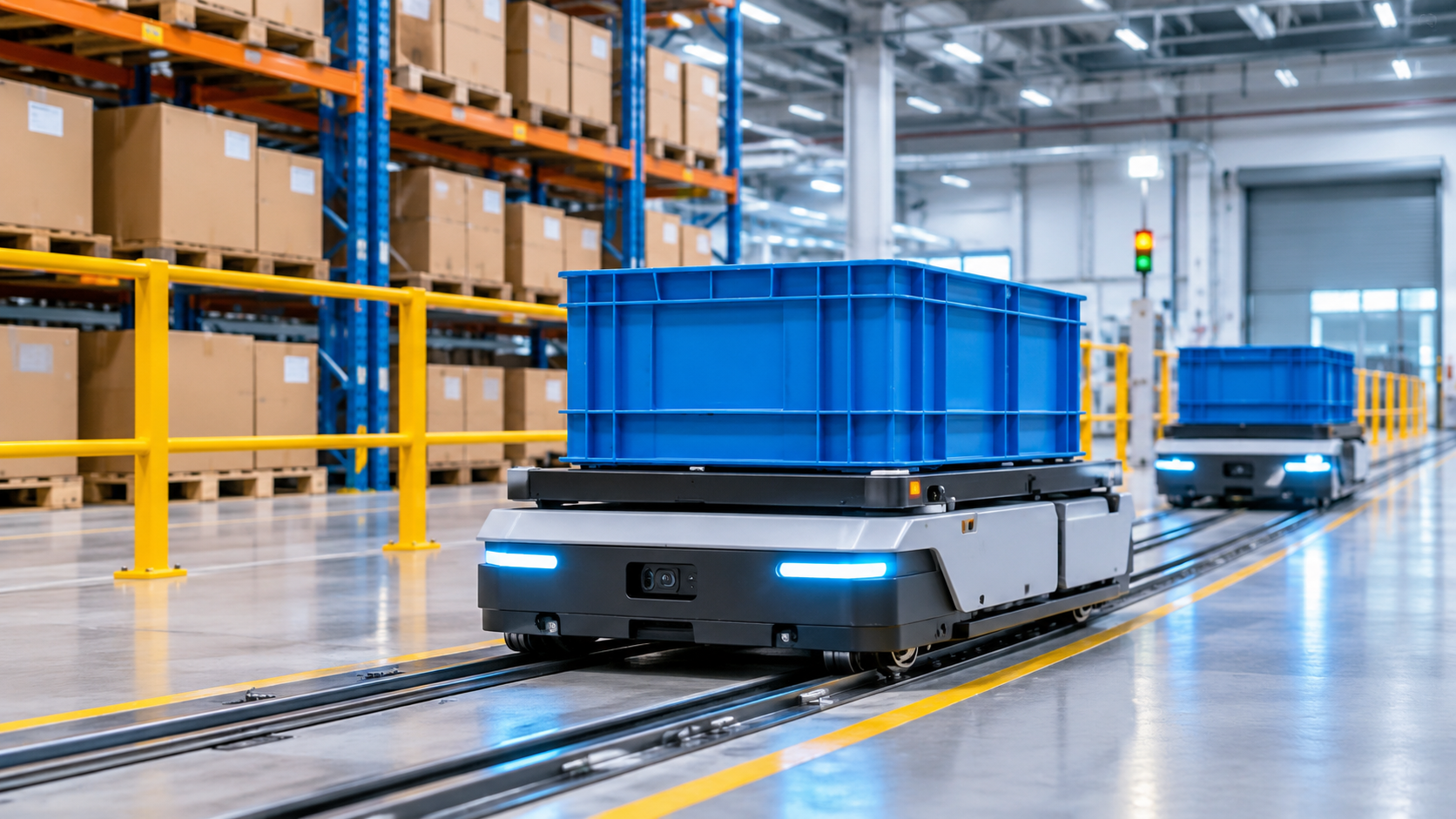
Manufacturing facilities rely on the timely movement of raw materials, components, tools and finished goods. When materials fail to reach the right workstation at the right time, production schedules can become difficult to maintain. As manufacturing volumes increase, businesses need transportation solutions that can handle repetitive movements consistently.
An Electrical Track Vehicle System provides a structured approach to internal industrial transportation. By operating along designated routes, electrically powered vehicles help manufacturers organize material movement between production, processing and storage areas.
Why Internal Material Transportation Matters in Manufacturing
Production efficiency depends on more than the performance of manufacturing machinery. Material availability, transportation schedules and coordination between departments also influence overall output.
A manufacturing machine may have sufficient production capacity, but delays in delivering components can leave it idle. Similarly, finished products that accumulate near workstations can occupy valuable production space.
Track-based transportation allows manufacturers to develop predictable material movement schedules according to operational demand.
Applications of Electrical Track Vehicle Systems in Manufacturing
Automotive Component Manufacturing
Automotive factories handle components such as engine parts, metal assemblies, transmission components and fabricated structures. Track-guided vehicles can support the movement of these materials between machining, inspection and assembly departments.
Manufacturers can configure transportation routes according to the sequence of production activities.
Heavy Engineering Industries
Heavy engineering facilities often work with large and bulky materials. Moving these loads requires suitable equipment with sufficient structural strength and carrying capacity.
Track-based vehicles can provide a dedicated transportation route for compatible industrial components, reducing the need for repetitive manual transfers.
Metal Fabrication Facilities
Fabrication involves multiple processes, including cutting, welding, bending and finishing. Materials frequently move between these processing stations.
An organized transportation network helps maintain continuity between fabrication stages and reduces unnecessary material accumulation.
Electrical Equipment Manufacturing
Electrical equipment manufacturers can use guided transportation systems to move compatible assemblies, enclosures and packaged equipment between production and testing areas.
Experienced Electrical Track Vehicle System Manufacturers can help businesses evaluate suitable vehicle configurations for these applications.
How Track-Based Transportation Supports Manufacturing Productivity
Consistent Material Availability
Scheduled transportation helps ensure that materials reach workstations according to production requirements. This can reduce waiting periods caused by delayed internal deliveries.
Better Use of Production Space
Dedicated transportation routes and loading points can help manufacturers organize material movement without unnecessarily occupying operational areas.
Improved Workforce Allocation
Automating repetitive transportation activities allows manufacturers to allocate employees to production, inspection and other essential responsibilities.
Controlled Movement of Industrial Loads
Fixed tracks provide a predefined movement path. When combined with appropriate load securing and safety measures, this supports more controlled handling of industrial materials.
Improved Production Planning
Predictable transportation cycles help production managers estimate material delivery times and coordinate activities across multiple departments.
Technical Requirements for Manufacturing Applications
Selecting a transportation system requires an understanding of the materials being handled and the conditions under which the equipment will operate.
|
Technical factor |
Manufacturing requirement |
|---|---|
|
Payload capacity |
Suitable for maximum expected material weight |
|
Vehicle dimensions |
Compatible with component sizes |
|
Track configuration |
Aligned with production layout |
|
Operating speed |
Appropriate for transportation demand |
|
Control system |
Compatible with existing automation |
|
Safety equipment |
Suitable for workplace risk conditions |
Businesses should discuss these requirements with qualified Electrical Track Vehicle System Suppliers before finalizing equipment specifications.
Planning Material Movement Across Manufacturing Departments
Effective implementation begins with identifying how materials currently move throughout the facility.
Production managers should document transportation frequency, material quantities, loading locations and destination points. This information helps determine whether a fixed-route transportation solution is appropriate.
For example, a manufacturing plant that regularly transfers metal components between machining and inspection departments may benefit from a dedicated track connecting these locations.
However, facilities with frequently changing destinations may require additional flexible transportation equipment. Combining fixed-route and flexible material handling solutions can be more practical than relying entirely on one system.
Measuring Manufacturing Transportation Performance
Installing automated transportation equipment does not automatically guarantee improved productivity. Businesses should establish measurable performance indicators before implementation.
Useful indicators include average transportation cycle time, material waiting time, equipment availability, daily transfer capacity and production interruptions associated with material shortages.
Comparing these indicators before and after installation helps manufacturers evaluate whether their investment is delivering meaningful operational improvements.
Why Consider Airox Technologies for Industrial Transportation?
Airox Technologies Limited offers track-based material transportation solutions designed around industrial requirements.
Businesses evaluating Electrical Track Vehicle System Manufacturers in India can consult the company regarding vehicle selection, payload requirements, control configurations and installation planning.
The right system should complement existing manufacturing processes rather than introduce unnecessary operational complexity.
Conclusion
Electrical track vehicle systems can support manufacturing productivity by establishing organized transportation routes, improving material availability and reducing repetitive handling activities.
Manufacturers should evaluate their production layout, material flow requirements and transportation demand before investing in automation. A properly planned system can contribute to better coordination between departments and more consistent manufacturing operations.
Frequently Asked Questions
1. Which manufacturing industries use electrical track vehicle systems?
Potential applications include automotive manufacturing, metal fabrication, heavy engineering and industrial equipment production.
2. Can these systems transport heavy manufacturing components?
Yes, provided the vehicle is designed and rated for the weight, dimensions and distribution of the intended load.
3. How do track vehicle systems improve production efficiency?
They support predictable transportation schedules and reduce delays associated with repetitive internal material movement.
4. Can track vehicles operate alongside existing manufacturing machinery?
Yes. Compatibility depends on facility layout, control requirements, operating clearances and safety considerations.
5. Are electrical track vehicle systems suitable for small factories?
They may be suitable when a factory has sufficient repetitive transportation demand to justify fixed-track infrastructure and operating costs.

 Arabic
 French
 Spanish
 Portuguese
 Deutsch
 Turkish
 Dutch
 Italiano
 Russian
 Romaian
 Portuguese (Brazil)
 Greek
