


 About Urh Social
 Terms of Service
 Política de privacidade
 Contact
Throw Out Bearing Problems: Symptoms, Causes, and How to Maintain a Healthy Clutch System
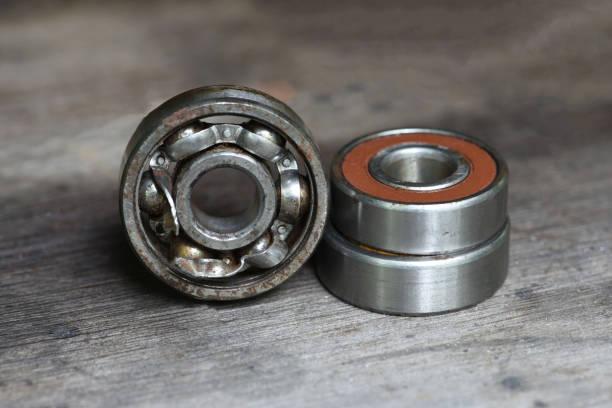
Smooth gear shifting depends on a properly functioning clutch system, and even relatively small components can make a significant difference to its performance. The throw out bearing is one such component. It helps transfer pressure from the clutch operating mechanism to the pressure plate, allowing the clutch to disengage when changing gears. Although it is designed to handle repeated mechanical movement, wear and improper operation can eventually affect its performance. Understanding how a throw out bearing works and what causes it to fail can help drivers recognize problems early and make informed maintenance decisions.
The Importance of the Throw Out Bearing in a Clutch System
The throw out bearing, also commonly called a clutch release bearing, connects the clutch operating mechanism with the pressure plate. Its main responsibility is to allow the pressure plate to release its clamping force when the clutch pedal is pressed.
In a conventional manual transmission, pressing the clutch pedal activates a cable-operated or hydraulic release mechanism. This mechanism moves the bearing toward the pressure plate's diaphragm spring. The resulting movement separates the clutch disc from the flywheel, temporarily interrupting power transfer from the engine to the transmission.
When the driver releases the pedal, the clutch returns to its engaged position. The process repeats whenever the driver changes gears.
Because this component operates during regular clutch use, it must provide smooth movement, accurate contact, and dependable resistance to mechanical loads.
Different Types of Throw Out Bearings
Not every vehicle uses the same clutch release arrangement. Understanding the available designs helps mechanics identify the correct replacement component.
Conventional Mechanical Release Bearings
Traditional systems commonly use a separate release bearing connected to a clutch fork. When the clutch pedal is pressed, the fork moves the bearing toward the pressure plate.
These systems are found in many older vehicles and certain modern applications. Their design generally allows individual inspection and replacement of the bearing and related release components.
Hydraulic Release Bearings
Some vehicles use hydraulic release bearings, which combine the release bearing and hydraulic actuator into an integrated assembly. Often called concentric slave cylinders, these units are mounted around the transmission input shaft.
This arrangement reduces the need for an external clutch fork and can provide consistent clutch operation. However, if the integrated unit develops a leak or mechanical failure, replacing the complete assembly may be necessary.
Push-Type and Pull-Type Designs
Clutch release systems can also differ in how the bearing interacts with the pressure plate.
In push-type systems, the bearing moves toward the pressure plate to disengage the clutch. Pull-type systems use a different engagement arrangement in which the release mechanism pulls the pressure plate through a connection with the bearing.
These designs are not interchangeable, so replacement compatibility must always be verified.
Warning Signs of a Damaged Throw Out Bearing
A failing release bearing may produce noticeable changes in clutch operation. Identifying these symptoms can help prevent additional wear to the clutch assembly.
Squealing or Chirping Sounds
A high-pitched squeal or chirping noise when pressing the clutch pedal may indicate wear within the release bearing. The sound can result from damaged rolling elements, insufficient lubrication where applicable, or deteriorated contact surfaces.
The noise may become more noticeable as the clutch pedal is pressed further.
Grinding or Rattling Noises
A grinding sound can indicate more advanced internal bearing damage. Worn rolling surfaces may prevent the bearing from rotating smoothly, creating friction and vibration.
Rattling sounds may also originate from loose clutch components or other transmission parts, so a complete inspection is necessary.
Changes in Clutch Pedal Feel
A damaged bearing or release mechanism may cause unusual pedal resistance. Drivers might notice a rough sensation, vibration, or inconsistent movement when pressing and releasing the pedal.
These symptoms can also be associated with hydraulic problems, a damaged clutch fork, or pressure plate wear.
Difficulty Shifting Gears
If the clutch does not disengage properly, changing gears may become difficult. Drivers may experience resistance when selecting a gear or hear grinding during gear changes.
Although a failing throw out bearing can contribute to this condition, other clutch system problems should also be investigated.
Noise That Changes With Clutch Operation
The relationship between pedal position and unusual noise can provide useful diagnostic information. For example, a sound that appears when the pedal is pressed may indicate a problem within the release mechanism.
However, similar symptoms can be caused by pilot bearings, transmission input shaft bearings, or other components. Professional diagnosis is the most reliable way to identify the source.
What Causes a Throw Out Bearing to Wear Out?
Several factors can contribute to bearing deterioration.
Continuous clutch engagement: Keeping the clutch pedal partially pressed while driving can cause unnecessary contact and increase the bearing's operating time.
Natural mechanical wear: Repeated movement and loading gradually affect the bearing's internal components.
Improper lubrication: Some bearing designs require lubrication at specific contact points. Incorrect lubricant selection or contamination can affect performance. Sealed units should be handled according to their manufacturer's instructions.
Misalignment: Incorrect installation or worn supporting components can cause uneven loading and premature wear.
Damaged release components: A worn clutch fork, pivot point, guide sleeve, or pressure plate can interfere with normal bearing movement.
Excessive operating temperatures: Heat generated within the clutch housing can contribute to lubricant deterioration and affect component durability.
Addressing these factors during maintenance can help reduce the risk of premature failure.
How to Inspect a Throw Out Bearing
Inspecting the release bearing usually requires access to the clutch assembly. Since the transmission often needs to be removed, mechanics generally combine bearing inspection with other clutch servicing work.
During inspection, the technician should check for:
-
Roughness or abnormal resistance when rotating the bearing, where applicable
-
Unusual noise during movement
-
Cracks, deformation, or damaged contact surfaces
-
Excessive wear on the bearing's mounting points
-
Damage to the clutch fork and guide sleeve
-
Leakage from an integrated hydraulic release assembly
The pressure plate and clutch disc should also be examined. Replacing only the bearing without addressing related mechanical problems may lead to repeated repairs.
When Should the Throw Out Bearing Be Replaced?
There is no universal replacement interval for every throw out bearing. Its service life depends on vehicle design, driving conditions, clutch usage, and maintenance practices.
Replacement is generally considered when the bearing produces persistent abnormal noise, develops rough movement, shows visible damage, or no longer operates correctly.
It is also common practice to inspect the bearing whenever the clutch assembly is removed. If it shows wear or its condition is uncertain, replacing it during the same repair can help avoid the additional labor involved in removing the transmission again.
For hydraulic release systems, the technician should follow the vehicle manufacturer's recommendations for servicing the integrated assembly.
Selecting the Right Replacement Bearing
Choosing a compatible replacement is essential for dependable clutch operation. Bearings that look similar may have different dimensions, mounting arrangements, and contact designs.
Before purchasing, consider these important factors:
-
Vehicle information: Confirm the make, model, manufacturing year, engine configuration, and transmission type.
-
Original equipment number: Use the original part reference to identify a compatible replacement.
-
Bearing dimensions: Verify the required diameter, height, and mounting specifications.
-
Release mechanism: Determine whether the vehicle uses a conventional bearing, push-type system, pull-type system, or hydraulic assembly.
-
Manufacturing standards: Consider material quality, dimensional accuracy, and production consistency.
-
Supplier reliability: Choose a supplier that provides clear specifications and suitable application information.
Correct identification helps reduce installation problems and supports reliable clutch performance.
Practical Ways to Extend Bearing Service Life
Driving habits have a direct influence on how frequently the clutch release system operates. A few simple practices can help reduce unnecessary wear.
Avoid resting your foot on the clutch pedal while driving. Even light pressure can keep the release bearing engaged and increase its workload.
When stopped for an extended period, selecting neutral and releasing the clutch pedal can reduce continuous operation in conventional systems.
Drivers should also avoid unnecessary clutch slipping and aggressive engagement. These habits create additional heat and mechanical stress within the clutch assembly.
During routine maintenance, mechanics should inspect the clutch operating mechanism and address unusual pedal behavior before it develops into a more serious problem.
Frequently Asked Questions
Is a throw out bearing different from a clutch release bearing?
No. These are two commonly used names for the same component. Both refer to the bearing that transfers force to the pressure plate during clutch disengagement.
Can a bad throw out bearing damage the pressure plate?
Yes. A severely worn or damaged bearing may create uneven contact with the pressure plate's diaphragm spring. Continued operation can contribute to additional wear or damage.
Does a noisy throw out bearing always need immediate replacement?
Persistent unusual noise should be investigated promptly. The actual cause may be the release bearing or another clutch or transmission component. A professional inspection can determine the appropriate repair.
Can the throw out bearing be replaced without removing the transmission?
Most conventional designs require transmission removal because the bearing is located inside the clutch housing. Some vehicle-specific arrangements may differ, so the manufacturer's service procedure should be checked.
Should the bearing be replaced when installing a new clutch?
It is generally advisable to inspect and consider replacing the bearing whenever the clutch assembly is removed. Doing so can reduce the likelihood of repeating labor if the old bearing fails shortly after the clutch replacement.
Conclusion
The throw out bearing is a small but essential part of a manual transmission's clutch system. It enables smooth clutch disengagement, supports reliable gear changes, and helps maintain proper interaction between the release mechanism and pressure plate.
Unusual noises, vibration, and changes in pedal behavior should not be ignored. With accurate diagnosis, compatible replacement components, and correct installation, drivers can maintain dependable clutch operation and reduce the risk of unnecessary repairs. Regular inspections and responsible clutch usage also contribute to longer service life across the entire drivetrain.

 English
 Arabic
 French
 Spanish
 Portuguese
 Deutsch
 Turkish
 Dutch
 Italiano
 Russian
 Romaian
 Greek
