


 About Urh Social
 Terms of Service
 Política de Privacidade
 Contact
Rhinoplasty in Dubai: What to Expect Before, During and After Nose Surgery
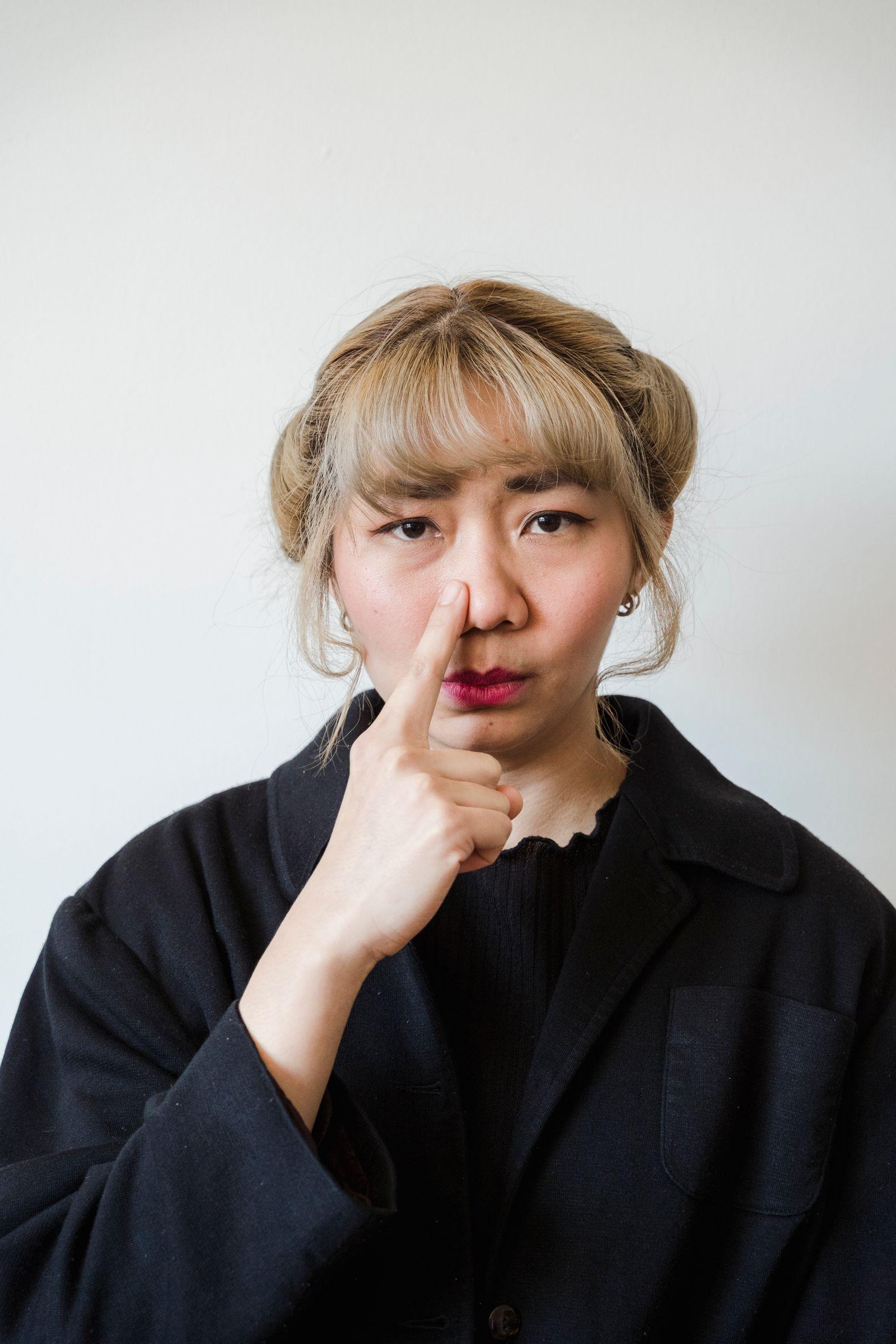
Rhinoplasty in Dubai is often the first search term people use when they start thinking seriously about changing the shape of their nose. Behind that search there is usually a long history: a bump noticed in school photographs, a tip that seems wider in some lights than in others, a profile that has never felt quite right, or a nose that has never breathed as freely as it should. For some people, the thought has been there for a decade. For others, it follows an injury that changed the shape of the nose and left it crooked or blocked.
This guide follows the journey in order: the decision to seek a consultation, the assessment itself, the day of surgery, and the slow recovery that follows. It is written for readers who want plain, honest information before they commit to anything. In Dubai, UAE, there are many providers offering nose surgery, and the aim here is to help readers ask the right questions wherever they go, so that the decision they reach is an informed one.
Before the Consultation
It helps to spend some time thinking before the first appointment. Readers may wish to note down what bothers them about their nose, whether it is the bridge, the tip, the nostrils, the profile, or the way the nose looks from the front. It also helps to think about what they do not want to change. A surgeon needs to know both, because a good result depends on preserving the features that already suit the face.
Expectations matter as much as anatomy. Rhinoplasty can refine a nose, but it cannot give a person someone else's nose, and it cannot fix concerns that are really about self-confidence or about a different part of the face. People who expect a perfect result, or a result that will change how others treat them, are more likely to be disappointed. A careful surgeon will explore expectations at the consultation and will say so if the hoped-for change is not achievable.
Readers should also think about practical matters. Recovery takes time, and the final result is not visible for many months. Anyone with a wedding, an important work commitment, or a long-haul holiday coming up should plan the timing with the surgeon and allow a generous margin. It is also worth considering who can help in the first few days after surgery, when rest is important and driving may not be advisable.
The Consultation in Detail
A proper consultation should feel thorough and unhurried. The surgeon will examine the nose from the front, from the side, and from below, and will look inside the nostrils to check the septum and the internal passages. They will ask about breathing, about allergies, about previous injuries or surgery, and about general health and medicines. Photographs are usually taken, and the surgeon may use them to discuss proportions and to explain which changes are realistic.
One useful question to ask is how the surgeon approaches the balance between the nose and the rest of the face. The chin, the forehead, and the cheeks all affect how the nose is perceived, and a surgeon who thinks about the face as a whole is more likely to plan a result that looks natural. Readers should also ask whether an open or closed approach is proposed, and why. In an open approach, a small incision is made across the columella, the strip of skin between the nostrils, giving a clearer view of the structures underneath. In a closed approach, all incisions are inside the nostrils, so there is no external scar. Each approach has its place, and the choice should be explained.
It is reasonable to ask who will carry out the surgery, how often they perform rhinoplasty, what follow-up care is included, and how complications are handled. Readers should also ask to see photographs of previous patients with similar concerns, while remembering that no two results are alike. A clinic that answers these questions openly is a better sign than one that hurries towards a date.
Readers comparing providers may wish to start by reading the consultation and aftercare information published by Enfield Royal Clinic Dubai, and then to compare it with the information offered by other clinics, so that the questions they take into each consultation are well informed.
The Day of Surgery
Most rhinoplasty procedures are carried out under general anaesthesia and take between one and three hours, depending on the complexity of the case. The surgeon reshapes the bone and cartilage that form the framework of the nose, adjusting the bridge, the tip, or the nostrils as planned. Where the septum is bent and breathing is affected, it may be straightened at the same time.
After the operation, a splint is usually placed on the outside of the nose to protect the new shape while early healing takes place. There may also be soft supports inside the nose for a short period. Many people go home the same day, although an overnight stay is sometimes advised. Readers should expect to feel groggy from the anaesthetic, and to have some swelling and bruising around the eyes. Pain relief is normally provided, and the clinic should explain exactly how and when to take it.
Before leaving, readers should make sure they understand the aftercare instructions: how to care for the splint, when to return for follow-up, what to do if there is bleeding or increasing pain, and when they can resume normal activities. Written instructions are useful, because it is easy to forget details on the day of surgery.
Recovery Week by Week
The first week is the most uncomfortable. Swelling and bruising are at their most noticeable, the nose feels blocked, and sleeping can be difficult. Rest, sleeping with the head raised, and cold compresses as directed can help. Blowing the nose should be avoided, and sneezing should be done with the mouth open. Most people take at least a week away from work, and the splint is usually removed after about seven days.
In the second and third weeks, bruising fades and the broad shape of the nose becomes clearer. Many people return to desk-based work during this period, although the nose will still be swollen, particularly around the tip. Light walking is usually encouraged, but strenuous exercise, heavy lifting, and bending over should still be avoided.
Over the following months, swelling continues to settle gradually. The tip is the slowest area to refine, and it can take a year or more for the final shape to become clear. During this time, the nose may feel stiff or numb in places, and the sense of smell may be reduced for a while. These changes usually improve slowly. Follow-up appointments are important throughout this period, because they let the surgeon check healing and answer questions as the shape evolves. Results vary, and no honest guide can guarantee a particular outcome.
Risks and Honest Limits
Like any surgery, rhinoplasty carries risks. These include bleeding, infection, a reaction to anaesthesia, scarring, and a result that does not meet expectations. There is also a chance that breathing could feel different after surgery, or that a further procedure could be needed. A responsible surgeon will discuss these risks before the operation, rather than after it, and readers should ask about them directly.
Rhinoplasty also has limits that no surgeon can overcome. Skin thickness, cartilage strength, and the way a person heals all affect the result. A nose that is very wide, or one that has been operated on before, may be harder to refine. The procedure cannot make the skin thinner, and it cannot guarantee symmetry, because no face is perfectly symmetrical to begin with. Understanding these limits before surgery is what separates a realistic decision from a disappointing one.
Smoking deserves a particular mention, because it can slow healing and increase the risk of complications. Readers who smoke should discuss this honestly with the surgeon and should follow the advice given about stopping before and after surgery.
How to Choose the Right Clinic for Rhinoplasty in Dubai
Choosing where to have surgery is a personal decision, and it deserves time and care. The points below can help readers compare their options in a structured way.
Check the credentials of the team
Ask who will carry out the consultation and the surgery, and what their qualifications and experience are in rhinoplasty specifically. Readers should also check that the clinic and its professionals are licensed to practise in Dubai, UAE.
Ask what the consultation covers
A thorough consultation should include an examination of the nose, a discussion of expectations, and an honest explanation of what surgery can and cannot do. Readers should feel free to ask for written information and to take time to think afterwards.
Understand the surgical plan
Ask which approach is being suggested, open or closed, what would change and what would stay the same, and why that approach has been chosen for this particular nose.
Discuss recovery and aftercare in detail
Recovery is an important part of the decision. Ask how long swelling and bruising may last, when normal activities can be resumed, and what follow-up appointments are included.
Compare what is included
Fees can vary, and readers should ask for a clear breakdown of what is included, such as the consultation, the procedure, follow-up visits, and any medicines or dressings, rather than focusing on a single headline figure.
Trust the overall impression
The way a clinic communicates matters. Readers should notice whether staff listen carefully and respect the wish to think before deciding, without applying pressure.
Frequently Asked Questions
Do I need to stay in hospital overnight after rhinoplasty?
Many people go home the same day, but an overnight stay is sometimes advised, depending on the extent of the surgery and the person's general health. The surgeon should explain what is planned and why, and readers should make sure they have someone to help them at home for the first day or two.
When can I wear glasses again after nose surgery?
Glasses rest on the bridge of the nose, so they usually need to be kept off it for several weeks while the bones and cartilage heal. The surgeon should give a clear timetable and may suggest taping glasses to the forehead or using contact lenses in the meantime, if that is suitable.
Will rhinoplasty change my voice?
Most people notice no lasting change to their voice. In the early weeks, the voice may sound slightly different because the nose is swollen and congested, but this usually settles as healing progresses. Any lasting change is uncommon, and readers who are concerned should raise it at the consultation.
Can I fly after rhinoplasty?
Flying is usually avoided in the early weeks, because changes in air pressure and the dry air in a cabin can affect a healing nose. The surgeon should advise on when it is safe to fly, and readers should not book travel until they have that advice.
What happens if I am not happy with the result?
It is important to wait until swelling has settled, which can take a year or more, before judging the result. If concerns remain after that time, readers should discuss them with the surgeon. In some cases, a revision procedure may be possible, but it is more complex than a first operation and should only be considered after a careful assessment.
Conclusion
Rhinoplasty is a journey that starts long before the day of surgery and continues for many months afterwards. The consultation, the planning, the operation itself, and the slow process of healing all play a part in the final result, and rushing any of them rarely helps.
For readers who want to continue their research, the next step is to arrange a consultation, ask the questions set out in this guide, and consider the advice given in the light of their own health, anatomy, and expectations. A careful, unhurried approach gives the best chance of a decision that the reader feels comfortable with, whether that decision is to proceed with nose surgery or to wait and think it over for longer.

 English
 Arabic
 French
 Spanish
 Deutsch
 Turkish
 Dutch
 Italiano
 Russian
 Romaian
 Portuguese (Brazil)
 Greek
