


 About Urh Social
 Terms of Service
 Política de Privacidade
 Contact
What Should You Discuss Before Scheduling Rhinoplasty Surgery in Dubai?
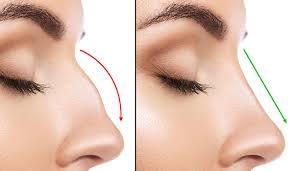
Rhinoplasty in Dubai, commonly known as nose reshaping surgery, is a procedure designed to change the appearance or structure of the nose. Some people consider it to improve nasal proportions, refine the nasal tip, correct a prominent bridge, or address certain breathing concerns. However, scheduling rhinoplasty requires more than deciding how you want your nose to look. Understanding the procedure, discussing your expectations, reviewing your medical history, and learning about recovery are important steps before making a decision.
If you are considering rhinoplasty in Dubai, a detailed consultation can help you understand which options may be suitable for your nasal structure and individual needs. Here are the important subjects to discuss before scheduling surgery.
1. Your Reasons for Considering Rhinoplasty
Start by explaining why you are interested in nose reshaping. Some individuals want to address a nasal hump, while others are concerned about a wide nasal bridge, uneven nostrils, or a drooping nasal tip.
Understanding your primary concerns helps establish clear treatment goals. It is useful to explain which features you would like to improve and whether your concerns are related to appearance, breathing, or both.
You should also discuss whether your expectations are realistic. Rhinoplasty can modify certain nasal features, but it cannot guarantee a particular appearance or create a completely different facial structure.
2. Your Nasal Structure and Facial Proportions
Every nose has a different anatomical structure. Factors such as skin thickness, cartilage strength, nasal bone shape, and existing asymmetry can influence surgical planning.
Ask how your nasal anatomy may affect the procedure and its potential results. For example, thick nasal skin may influence how clearly changes to the underlying cartilage become visible. Similarly, a weaker nasal structure may require additional attention to support and stability.
Facial proportions also matter. The nose should be considered in relation to the chin, forehead, lips, and overall facial balance rather than as an isolated feature.
3. Your Medical History and Health Conditions
Before scheduling rhinoplasty, provide complete and accurate information about your medical history. Certain health conditions, previous injuries, allergies, or ongoing treatments may influence surgical planning.
Discuss the following during your consultation:
-
Previous nasal or facial surgeries.
-
Existing breathing difficulties or nasal obstruction.
-
Allergies and respiratory conditions.
-
Current medications and supplements.
-
Previous reactions to anaesthesia.
-
Smoking or nicotine use.
-
Any relevant medical conditions.
Do not stop prescribed medication without medical advice. Your healthcare professional should review your individual circumstances and explain whether any precautions are necessary before surgery.
4. Surgical Techniques and Suitable Options
Rhinoplasty can involve different surgical approaches depending on the patient's anatomy and treatment objectives. Open and closed rhinoplasty are two commonly discussed techniques.
Open rhinoplasty involves a small incision across the tissue between the nostrils, allowing greater visibility of the underlying structures. Closed rhinoplasty uses incisions inside the nostrils.
Neither approach is automatically better for everyone. The appropriate technique depends on the complexity of the required changes, nasal anatomy, and the surgeon's assessment.
Ask why a particular approach is being recommended, what structures may need modification, and whether additional support may be necessary to maintain nasal function.
5. Expected Results and Possible Limitations
One of the most important discussions before rhinoplasty concerns the expected outcome. Patients should understand what surgery may realistically achieve and which changes may be limited by their natural anatomy.
You can discuss whether the procedure may help with:
-
Refining the nasal tip.
-
Reducing the appearance of a nasal hump.
-
Adjusting nasal width.
-
Improving visible asymmetry.
-
Changing the nasal profile.
-
Addressing certain structural breathing concerns.
It is equally important to understand that perfect symmetry cannot always be achieved. Healing responses, skin characteristics, and existing anatomical differences can influence the final appearance.
Ask about potential complications, including bleeding, infection, scarring, breathing difficulties, changes in sensation, and dissatisfaction with the cosmetic outcome. Revision surgery may sometimes be considered, but it also involves additional assessment and risks.
6. Recovery Time and Post-Surgery Care
Understanding recovery requirements can help you plan your personal and professional commitments. Rhinoplasty recovery takes time, and the initial healing period is different from the time required for the final results to become visible.
You may experience temporary swelling, bruising, congestion, and tenderness after surgery. A nasal splint may also be required during the early recovery period.
Discuss important recovery questions, including:
-
How long should you take time away from work?
-
When can you return to normal daily activities?
-
How should you sleep during the initial recovery period?
-
When can you resume exercise?
-
How should you protect your nose from accidental injury?
-
How frequently are follow-up appointments required?
Follow your surgeon's instructions carefully and attend scheduled reviews. Contact your healthcare provider if you experience unusual symptoms or concerns during recovery.
7. Revision Rhinoplasty and Long-Term Considerations
If you have previously undergone nose surgery, mention this during your consultation. Revision rhinoplasty can be more complex because earlier procedures may have changed the cartilage, bone, or internal support structures.
Your surgeon may need to evaluate existing scar tissue, remaining cartilage, nasal stability, and breathing function before discussing further treatment.
You should also ask about long-term expectations, including how swelling settles, how nasal tissues heal, and whether additional procedures may ever be necessary.
8. Choosing a Clinic and Understanding the Consultation Process
Choosing a suitable clinic is an important part of preparing for rhinoplasty in Dubai. Look beyond promotional photographs and consider the medical team's qualifications, surgical experience, facility standards, patient assessment process, and approach to follow-up care.
Ask whether your consultation will include a detailed nasal examination, discussion of breathing function, review of medical history, and an explanation of potential risks and limitations.
You should feel comfortable asking questions and receiving clear answers before making any decision.
Rhinoplasty Consultation at Tajmeels Clinic
At tajmeels clinic dubai, patients considering rhinoplasty can discuss their aesthetic concerns, nasal structure, and treatment expectations as part of an individualised consultation process. Understanding facial proportions, existing nasal features, medical history, and personal goals helps guide the assessment. Patients can also discuss suitable surgical approaches, recovery requirements, and important safety considerations. A personalised evaluation helps determine whether rhinoplasty may be appropriate and supports informed decision-making before proceeding with treatment.
Conclusion
Scheduling rhinoplasty is an important decision that requires careful consideration and realistic expectations. Discussing your goals, nasal anatomy, medical history, surgical options, possible risks, and recovery requirements can help you make a more informed choice. A detailed consultation with a qualified medical professional is essential for understanding your suitability and developing an appropriate treatment plan. Taking time to address these questions before surgery can support a safer and more informed treatment journey.
More Information
Tajmeels Clinic Dubai
WhatsApp: +971 56 203 8751
Phone: tel:+971 43739000
Social Media:

 English
 Arabic
 French
 Spanish
 Deutsch
 Turkish
 Dutch
 Italiano
 Russian
 Romaian
 Portuguese (Brazil)
 Greek
