


 About Urh Social
 Terms of Service
 Privacy Policy
 Contact
Geriatric Physiotherapy Edmonton for Comfortable Movement Through Every Stage of Life
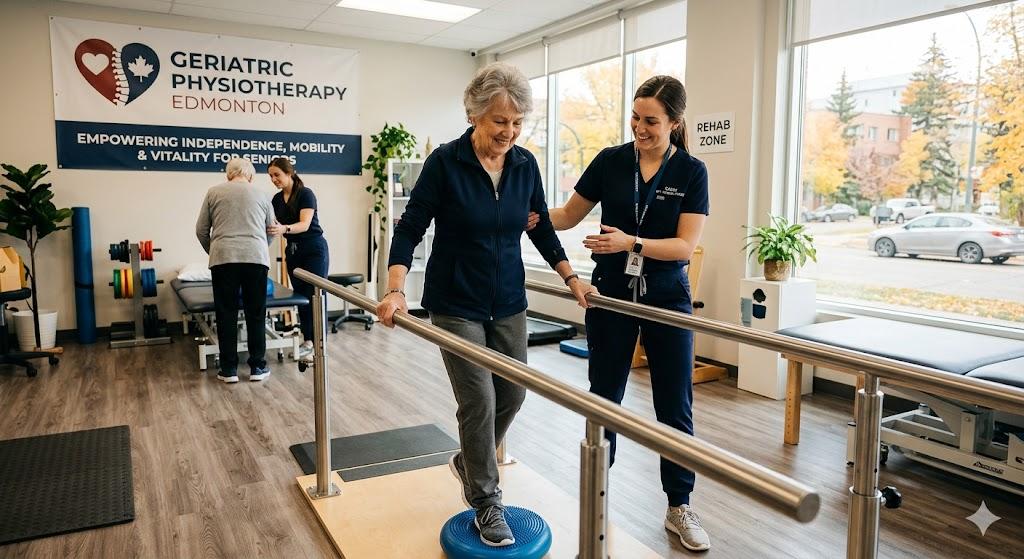
Getting older can bring changes to strength, balance, flexibility, and daily movement. Simple activities such as walking, climbing stairs, getting out of a chair, or carrying groceries may sometimes become more difficult. These changes can affect confidence and make people less active than they would like to be.
Geriatric physiotherapy can support older adults as they work towards staying active and independent. Geriatric Physiotherapy Edmonton services can be planned around a person's daily needs, physical abilities, and personal goals. The aim is to make exercise and physical activity feel manageable while supporting safe participation in everyday tasks.
Every older adult is different. Some may want help after surgery or an injury, while others may be looking for ways to improve strength and balance. A physiotherapy programme can be adjusted to suit the individual.
Physiotherapy for older adults can focus on practical activities that are important in everyday life. The treatment plan may include gentle exercises, balance activities, strengthening exercises, stretching, and other suitable techniques.
For example, someone who finds it difficult to stand from a chair may work on leg and core strength. A person who feels unsure while walking may practise balance and walking exercises. These activities can be introduced gradually based on the person's comfort and ability.
The goal is not to make exercise complicated. Simple and regular activities may be easier to follow and can become part of a person's daily routine.
Balance can change with age for many different reasons. A person may feel less steady when turning, walking on uneven surfaces, or moving from sitting to standing.
Geriatric Physiotherapy Edmonton may include balance exercises that are selected according to the person's needs. These exercises can include controlled standing activities, weight-shifting movements, stepping exercises, and other tasks that encourage better body control.
Balance exercises should always match the person's ability. A physiotherapist may adjust the activity, provide support when needed, and gradually change the exercise as the person becomes more comfortable.
Older adults may need physiotherapy after an injury, surgery, or a period of reduced activity. Spending more time resting can affect strength and confidence. Returning to normal activities may then take some time.
Physiotherapy can provide a structured way to return to suitable daily activities. Depending on the situation, sessions may include gentle strengthening, stretching, walking practice, and functional exercises.
For someone recovering after a joint replacement, for example, exercises may focus on gradually rebuilding strength and returning to activities recommended by their healthcare team.
The programme can change as recovery progresses. This allows exercises to remain appropriate instead of using the same routine for everyone.
Strength is useful for many everyday activities. Standing from a chair, walking, carrying light items, and using stairs all require muscle strength.
A physiotherapist may recommend simple strengthening exercises based on a person's current ability. These might include supported squats, seated leg exercises, heel raises, or other controlled movements.
The number of repetitions and level of difficulty can be adjusted. Starting with manageable exercises may help a person feel more comfortable and build a consistent routine.
It is also important to listen to the body during exercise. If an activity feels too difficult, the exercise can be changed or reduced according to the physiotherapist's guidance.
Physiotherapy is not only about exercises performed in a clinic. It can also focus on activities that people need at home and in the community.
A physiotherapist may look at how a person walks, sits, stands, turns, reaches, or moves between different surfaces. These everyday movements can help guide the treatment plan.
For example, if getting into and out of a vehicle is difficult, exercises may focus on movements that support this activity. If stairs are a concern, the programme may include suitable stepping practice.
This practical approach can make physiotherapy more meaningful because the exercises relate to real parts of daily life.
Staying active does not always mean doing a long workout. Small amounts of physical activity throughout the day can be easier to manage.
An older adult might take short walks, perform recommended exercises, practise standing activities, or take regular movement breaks during the day. The right routine will depend on the person's abilities and individual circumstances.
Consistency can be more useful than trying to do too much at once. A simple routine that fits comfortably into the day may be easier to continue.
Family members or caregivers can also provide encouragement when appropriate. Having support can make it easier for an older adult to stay involved in regular activities.
Feeling unsure about physical activity can sometimes lead a person to avoid certain movements. Over time, avoiding activity may make everyday tasks feel more difficult.
Geriatric Physiotherapy Edmonton can provide guided practice in a comfortable setting. Exercises can begin at a suitable level and may be changed as the person becomes more familiar with them.
The focus can be on steady progress rather than rushing. Small improvements, such as feeling more comfortable standing or walking, may make everyday activities feel easier to manage.
A good physiotherapy plan should consider the person's daily routine, current abilities, and goals. Older adults may have different priorities. One person may want to return to walking outdoors, while another may want to feel more comfortable moving around the home.
At Turning Point Physical Therapy, physiotherapy sessions can be planned around individual needs. The physiotherapist can discuss the person's concerns and select suitable exercises and treatment approaches.
If you are considering physiotherapy, sharing your daily challenges can help the physiotherapist understand what activities matter most to you.
A session may include a discussion about your concerns, an assessment of your movement and physical abilities, and exercises selected for your needs. The programme may include strengthening, balance, stretching, walking practice, or functional activities.
Yes. Physiotherapy can be adapted to different activity levels. An active older adult may use physiotherapy to work on strength, balance, flexibility, recovery after an injury, or specific activities that are important to their routine.
Growing older does not mean giving up the activities that are important to you. With suitable exercises and a practical approach, older adults can continue working towards an active daily routine.
Geriatric Physiotherapy Edmonton can support older adults with exercises and activities that match their individual needs. Whether you are recovering from an injury, returning to activity after surgery, or looking for support with strength and balance, a personalised physiotherapy plan may be a useful next step.
If you would like to learn more, contact Turning Point Physical Therapy in Edmonton to discuss your physiotherapy needs.
Turning Point Physical Therapy
14925 111 Ave NW #202
Edmonton, AB, T5M 2P6
Call Us: (587) 412-1626
Fax: 780-451-8612
Email: [email protected]
Working Hours:
Monday–Friday: 9 AM–6 PM
Saturday: 9 AM–2 PM
Sunday: Closed
#GeriatricPhysiotherapyEdmonton #PhysiotherapyEdmonton #SeniorPhysiotherapy #EdmontonPhysiotherapy #OlderAdultPhysiotherapy #TurningPointPhysicalTherapy

 English
 Arabic
 French
 Spanish
 Portuguese
 Deutsch
 Dutch
 Italiano
 Russian
 Romaian
 Portuguese (Brazil)
 Greek
