


 About Urh Social
 Terms of Service
 Privacy Policy
 Contact
Can PRP Therapy Help Strengthen Hair Affected by Seasonal Shedding?
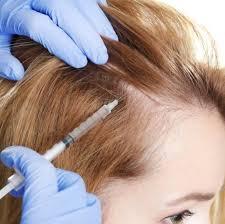
Seasonal hair shedding is a common concern that can affect hair thickness, volume, and overall appearance. Some people notice increased hair fall during seasonal changes, particularly when brushing, washing, or styling their hair. Although this type of shedding is often temporary, it can become frustrating when hair appears weaker or less dense than usual. Understanding the causes of seasonal hair loss and available treatment options can help individuals make informed decisions about hair care.
PRP hair treatment in Dubai is one treatment option that may support hair health in suitable candidates. It uses components obtained from a person's own blood to support the scalp environment and encourage natural hair growth processes. However, its suitability depends on the underlying cause of hair shedding and the condition of the hair follicles.
Understanding Seasonal Hair Shedding
Seasonal hair shedding refers to a temporary increase in hair loss that some individuals experience during particular times of the year. Hair naturally follows a growth cycle consisting of three main phases: anagen (growth), catagen (transition), and telogen (resting).
During the telogen phase, hair eventually falls out to make room for new growth. Seasonal changes may influence the timing of this process in some individuals, resulting in noticeable shedding.
Several factors can contribute to changes in hair condition, including:
-
Changes in temperature and environmental humidity.
-
Increased exposure to sunlight and environmental stressors.
-
Scalp dryness or irritation.
-
Changes in diet and nutritional intake.
-
Stress, sleep disturbances, and lifestyle changes.
-
Hormonal fluctuations.
It is important to distinguish temporary seasonal shedding from ongoing hair loss caused by conditions such as androgenetic alopecia, thyroid disorders, or nutritional deficiencies.
How Does PRP Therapy Work for Hair Health?
PRP hair treatment involves collecting a small blood sample and processing it through a specialised centrifugation system. This separates platelet-rich plasma from other blood components.
Platelets contain growth factors and signalling proteins involved in tissue repair and cellular communication. When prepared PRP is injected into selected areas of the scalp, these growth factors may influence the activity of hair follicles and the surrounding scalp environment.
PRP therapy is commonly investigated and used as a treatment option for certain types of hair thinning, particularly androgenetic alopecia.
Its potential benefits include:
-
Supporting hair follicle activity.
-
Helping improve hair thickness in suitable candidates.
-
Supporting the scalp environment.
-
Potentially improving hair density over time.
-
Complementing an individualised hair restoration plan.
However, PRP is not a guaranteed solution for every type of hair shedding. Clinical evidence is more established for certain forms of pattern hair loss than for temporary seasonal shedding alone.
Can PRP Therapy Help Strengthen Hair Affected by Seasonal Changes?
PRP therapy may help individuals experiencing seasonal shedding when an assessment identifies an underlying pattern of hair thinning or weakened follicle activity that could respond to treatment.
For example, someone who experiences seasonal shedding alongside early pattern hair loss may benefit from a professional evaluation for PRP therapy.
The treatment aims to support follicular activity rather than simply prevent individual hair strands from falling out. This distinction is important because hair shedding is a natural part of the growth cycle.
If seasonal shedding is temporary and the follicles remain healthy, the hair may recover naturally without medical intervention. In such cases, PRP may not be necessary.
A qualified specialist should first identify whether the shedding is seasonal, stress-related, nutritional, hormonal, or associated with another scalp or hair condition.
Signs That Your Hair May Need Professional Assessment
Not every increase in hair fall requires clinical treatment. However, certain changes may indicate that a professional scalp and hair assessment is appropriate.
Consider seeking an evaluation if you notice:
-
Hair density gradually decreasing over several months.
-
A widening parting or visible scalp areas.
-
Reduced thickness around the crown or temples.
-
Hair shedding that continues beyond expected seasonal changes.
-
Persistent thinning despite improvements in hair care.
-
Changes in scalp condition alongside increased hair fall.
Sudden, patchy, or unusually heavy hair loss should also be assessed because it may indicate an underlying medical condition requiring a different treatment approach.
Factors That Influence PRP Hair Treatment Results
PRP therapy does not produce identical results for everyone. Individual hair characteristics, follicle condition, and the underlying cause of hair loss can influence treatment outcomes.
Hair Follicle Health: PRP is generally more suitable when hair follicles remain present and capable of producing hair. Completely inactive or destroyed follicles may not respond as expected.
Underlying Cause of Hair Loss: Seasonal shedding, genetic hair thinning, hormonal changes, and nutritional deficiencies require different approaches. Identifying the cause helps determine whether PRP is appropriate.
Overall Health: Medical conditions, medications, nutritional status, and lifestyle habits may influence hair growth and treatment suitability.
Treatment Consistency: Depending on the individual's condition, a specialist may recommend multiple sessions and follow-up assessments. The treatment schedule should be personalised rather than based on a standard assumption.
Realistic Expectations: Hair growth takes time. Any improvement in thickness or density generally develops gradually, and results cannot be guaranteed.
How to Support Hair Health During Seasonal Shedding
Alongside professional treatment when necessary, maintaining healthy hair habits can help support normal hair growth.
-
Include sufficient protein in your daily diet.
-
Maintain adequate iron and other essential nutrients.
-
Avoid excessive heat styling and harsh chemical treatments.
-
Use gentle hair care products suited to your scalp.
-
Avoid tight hairstyles that create repeated pulling.
-
Manage stress through regular physical activity and adequate sleep.
-
Avoid unnecessary supplements without identifying a nutritional deficiency.
If shedding continues, blood tests or further investigations may be recommended to identify possible nutritional or medical causes.
PRP Hair Treatment at Tajmeels Clinic in Dubai
At tajmeels clinic dubai PRP hair treatment planning can begin with an individual assessment of scalp condition, hair density, follicle health, and the pattern of hair shedding. Understanding whether the concern is related to seasonal changes, early hair thinning, or another underlying factor is important before recommending treatment.
The clinic-based approach focuses on evaluating individual hair concerns and determining whether PRP therapy is a suitable option. Treatment planning may consider the areas affected, existing hair condition, and realistic expectations regarding improvement. Follow-up assessments can also help monitor changes in hair quality and determine whether additional sessions are appropriate.
Individuals considering PRP hair treatment in Dubai should seek a professional consultation to understand the potential benefits, limitations, and suitability of the procedure.
Frequently Asked Questions
1. Is seasonal hair shedding permanent?
Seasonal shedding is often temporary, and hair may return to its usual growth pattern. Persistent or severe shedding should be professionally evaluated.
2. Can PRP stop seasonal hair fall immediately?
No. PRP is not an immediate hair-loss solution. Any improvement develops gradually, and its effectiveness depends on the underlying condition.
3. How many PRP sessions may be needed?
The number of sessions varies according to hair condition, treatment response, and individual assessment. A specialist can recommend an appropriate schedule.
4. Is PRP suitable for everyone experiencing hair shedding?
No. Individuals with temporary shedding may not require PRP. A professional assessment helps determine whether treatment is appropriate.
Conclusion
Seasonal hair shedding can affect hair appearance and confidence, but it does not always indicate permanent hair loss. PRP therapy may support hair thickness and follicle activity in selected individuals, particularly those with certain types of ongoing hair thinning. Identifying the underlying cause remains the most important step before choosing treatment. A personalised consultation can help determine whether PRP is appropriate for maintaining healthier-looking hair.
More Information
Tajmeels Clinic Dubai
WhatsApp: +971 56 203 8751
Phone: tel:+971 43739000
Social Media:

 English
 Arabic
 French
 Portuguese
 Deutsch
 Turkish
 Dutch
 Italiano
 Russian
 Romaian
 Portuguese (Brazil)
 Greek
