


 About Urh Social
 Terms of Service
 Privacy Policy
 Contact
What Factors Does Tajmeels Clinic Consider When Planning HydraFacial Sessions?
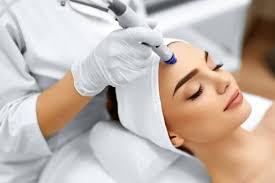
Healthy-looking skin requires more than a regular skincare routine. Factors such as skin type, hydration levels, environmental exposure, and existing skin concerns can influence its overall appearance. HydraFacial Treatment in Dubai is a non-invasive facial treatment designed to cleanse, exfoliate, extract impurities, and hydrate the skin through a structured process. However, achieving a suitable treatment experience depends on understanding individual skin requirements before beginning a session.
When planning HydraFacial sessions, a professional skin assessment helps determine which treatment approach may be appropriate. At Tajmeels Clinic, considering individual skin characteristics and treatment goals is an important part of developing a personalised HydraFacial plan.
Understanding the Patient's Skin Type
One of the first factors considered when planning HydraFacial sessions is the patient's skin type. Every individual has different skin characteristics, and these differences can influence treatment selection.
For example, oily skin may experience excess sebum production and clogged pores, while dry skin may require additional attention to hydration. Combination skin can have both concerns, with oiliness in certain areas and dryness in others.
Sensitive skin also requires careful evaluation because some individuals may experience temporary redness or irritation following exfoliation or other skincare procedures.
Understanding these characteristics allows skincare professionals to consider the patient's needs and select an appropriate treatment approach.
Identifying Specific Skin Concerns
HydraFacial is commonly considered by individuals who want to improve the appearance of several skin concerns. However, not everyone has the same reasons for seeking treatment.
Some patients may be concerned about:
-
Uneven skin texture and roughness.
-
Congested pores and visible blackheads.
-
Dull or tired-looking skin.
-
Surface dryness and dehydration.
-
Excess oil and accumulated impurities.
-
The appearance of fine lines.
-
Uneven-looking skin tone.
Identifying the primary concern helps establish realistic treatment goals. For instance, someone experiencing dehydration may benefit from a treatment plan that prioritises skin hydration, while another person with congested pores may require greater attention to cleansing and extraction.
A professional assessment also helps determine whether HydraFacial is appropriate or whether another skincare treatment would better address the concern.
Evaluating Skin Hydration Levels
Hydration plays an important role in maintaining healthy-looking skin. When the skin lacks sufficient moisture, it may appear dull, rough, or less supple.
Before planning a HydraFacial session, evaluating the skin's hydration condition can help guide treatment decisions. Professionals may consider visible dryness, surface texture, and the patient's reported skincare concerns.
HydraFacial incorporates hydrating solutions during the treatment process to support skin moisture and improve its overall appearance.
However, hydration needs can vary depending on environmental exposure, skincare habits, age, and individual skin characteristics. Therefore, treatment planning should consider more than simply whether the skin appears dry.
Considering Previous Skincare Treatments
Previous skincare procedures and products can influence how the skin responds to another treatment. This makes treatment history an important part of the planning process.
Patients should discuss recent chemical peels, laser treatments, exfoliating procedures, and the use of active skincare ingredients such as retinoids.
Some products and procedures can temporarily increase skin sensitivity. Performing additional exfoliation without considering this history may increase the possibility of irritation.
A skincare professional can review these details and determine whether HydraFacial should be performed immediately or postponed until the skin has recovered.
Sharing accurate information about previous treatments also helps create a safer and more appropriate skincare plan.
Assessing Skin Sensitivity and Existing Conditions
Skin sensitivity is another important consideration when planning HydraFacial sessions. Although the treatment is generally well tolerated, individual reactions can differ.
People experiencing active irritation, inflammation, sunburn, open wounds, or certain skin conditions may need further evaluation before proceeding.
A professional assessment helps identify potential concerns that could affect treatment suitability.
It is also important to discuss allergies, previous reactions to skincare products, and any known sensitivities. These details help practitioners determine whether adjustments or alternative treatments may be necessary.
The goal is to select an approach that considers skin comfort while avoiding unnecessary irritation.
Understanding Lifestyle and Environmental Factors
Daily habits and environmental exposure can influence skin condition over time. In Dubai, factors such as intense sunlight, air conditioning, humidity, dust, and pollution may contribute to dryness, oiliness, and visible skin congestion.
Lifestyle habits can also affect skin appearance. Inadequate sleep, inconsistent skincare routines, and insufficient hydration may contribute to a dull or tired-looking complexion.
When planning HydraFacial sessions, understanding these influences can help establish suitable skincare goals.
For example, someone who spends considerable time outdoors may need additional guidance about sun protection, while individuals working in air-conditioned environments may benefit from a consistent moisturising routine.
HydraFacial should be considered part of an overall skincare approach rather than a replacement for daily skin protection and maintenance.
Establishing Realistic Treatment Goals
Another important factor is understanding what the patient expects from HydraFacial.
Some individuals want their skin to look refreshed before an event, while others are interested in addressing ongoing concerns such as dryness, congestion, or uneven texture.
Clear treatment goals help practitioners explain what HydraFacial can realistically achieve.
Although many people notice an immediate improvement in skin appearance, results vary depending on individual skin conditions and treatment requirements. HydraFacial cannot permanently eliminate acne scars, reverse ageing, or replace medical treatment for underlying skin disorders.
Setting realistic expectations helps patients make informed decisions and understand the potential benefits and limitations of the procedure.
Planning Session Frequency and Aftercare
The frequency of HydraFacial sessions should depend on individual skin requirements rather than following the same schedule for everyone.
Some patients may benefit from occasional treatments, while others may discuss a regular skincare maintenance plan with their practitioner. Skin sensitivity, treatment response, lifestyle, and personal goals can all influence scheduling.
Aftercare is equally important. Patients are generally advised to:
-
Apply broad-spectrum sunscreen when going outdoors.
-
Use gentle skincare products after treatment.
-
Avoid excessive exfoliation immediately following the session.
-
Maintain adequate skin hydration.
-
Follow the practitioner's individual aftercare instructions.
These measures support skin comfort and help maintain a healthy-looking complexion.
HydraFacial Treatment Planning at Tajmeels Clinic
At tajmeels clinic dubai, HydraFacial planning focuses on understanding individual skin characteristics, concerns, and treatment expectations. The assessment may consider skin type, hydration, sensitivity, previous skincare procedures, and environmental factors before determining a suitable approach.
By considering these details, the clinic aims to provide a more personalised treatment experience rather than relying on a standard approach for every patient. Individuals interested in HydraFacial in Dubai can discuss their skin concerns during a consultation and receive guidance about treatment suitability, session planning, and appropriate aftercare.
Conclusion
Planning HydraFacial sessions involves several considerations, including skin type, hydration levels, sensitivity, previous treatments, lifestyle, and individual skincare goals. Evaluating these factors helps determine whether the treatment is suitable and how it may be adapted to individual requirements.
A personalised approach, combined with realistic expectations and consistent aftercare, can support better skincare decisions and help individuals maintain a refreshed, healthy-looking complexion.
More Information
Tajmeels Clinic Dubai
WhatsApp: +971 56 203 8751
Phone: tel:+971 43739000
Social Media:

 Arabic
 French
 Spanish
 Portuguese
 Deutsch
 Turkish
 Dutch
 Italiano
 Russian
 Romaian
 Portuguese (Brazil)
 Greek
