


 About Urh Social
 Terms of Service
 Privacy Policy
 Contact
Rhinoplasty for a Deviated Septum: What to Know
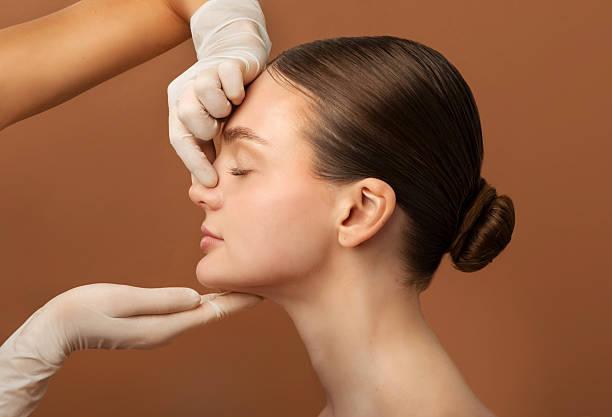
A deviated septum is a common nasal condition that occurs when the thin wall separating the two nasal passages becomes displaced to one side. This can make breathing difficult, cause persistent nasal congestion, and affect overall nasal function. For people experiencing these concerns, rhinoplasty combined with septoplasty may offer an opportunity to improve both nasal appearance and breathing. Understanding the procedure, its benefits, and the recovery process can help patients make informed decisions about their treatment.
Rhinoplasty in Riyadh is an option for individuals who want to address certain structural nasal concerns while considering improvements to the appearance of their nose. When a deviated septum affects breathing, a specialist may recommend combining cosmetic rhinoplasty with septoplasty. Although these procedures have different purposes, they can sometimes be performed together to improve nasal structure, function, and facial balance.
What Is a Deviated Septum?
The nasal septum is the cartilage and bone structure that divides the inside of the nose into two passages. Ideally, it sits near the centre, allowing air to flow comfortably through both sides. However, when the septum shifts to one side, it can narrow one nasal passage and interfere with normal airflow.
A deviated septum may develop naturally or result from an injury to the nose. Some people are born with this condition, while others experience it following an accident or physical impact.
Common Symptoms of a Deviated Septum
Symptoms can vary depending on the severity of the deviation. Some individuals may not notice any problems, while others experience ongoing discomfort.
Common symptoms include nasal blockage, difficulty breathing through one or both nostrils, frequent congestion, nosebleeds, snoring, and disturbed sleep. In some cases, patients may also experience recurring sinus infections or facial pressure.
How Can Rhinoplasty Help With a Deviated Septum?
Rhinoplasty is a surgical procedure designed to reshape or improve the structure of the nose. When breathing difficulties are associated with a deviated septum, rhinoplasty may be combined with septoplasty, depending on the patient's individual needs.
Septoplasty focuses on correcting the position of the nasal septum to improve airflow. Rhinoplasty, on the other hand, addresses the external appearance and structural shape of the nose.
Understanding Septoplasty and Rhinoplasty
Although these procedures can be performed together, they serve different purposes. Septoplasty primarily improves nasal function by correcting internal structural problems. Rhinoplasty may adjust the nasal bridge, tip, or overall shape to achieve better facial harmony.
When both procedures are appropriate, combining them may allow patients to address functional and cosmetic concerns during one surgical treatment. The recommended approach depends on the patient's nasal anatomy and medical assessment.
Who Is a Suitable Candidate for the Procedure?
Not everyone with a deviated septum requires surgery. Individuals who experience persistent breathing difficulties or other symptoms that affect their daily lives may benefit from a professional evaluation.
Suitable candidates may include adults with a confirmed deviated septum, individuals experiencing ongoing nasal obstruction, and patients who want to address both functional and cosmetic nasal concerns.
A proper consultation is important to determine whether surgery is appropriate. The assessment may include reviewing medical history, examining the nasal passages, evaluating external nasal structure, and discussing the patient's expectations.
What Happens During Deviated Septum Rhinoplasty?
The procedure begins with an assessment and a personalised surgical plan. The surgical approach depends on the extent of the septal deviation, the condition of the nasal structures, and whether cosmetic changes are also required.
During surgery, the internal nasal structures may be adjusted to improve airflow. If rhinoplasty is performed at the same time, additional changes may be made to the external shape of the nose. The procedure is generally performed under anaesthesia, with the specific technique determined by the treatment plan.
Recovery After Rhinoplasty and Septoplasty
Recovery is an important part of achieving a satisfactory surgical outcome. Patients may experience temporary swelling, bruising, nasal congestion, and mild discomfort during the initial healing period.
Tips for a Comfortable Recovery
Following post-operative instructions is essential. Patients should avoid strenuous physical activities until cleared by their healthcare provider. Keeping the head elevated while resting may help manage swelling.
It is also important to avoid blowing the nose, putting pressure on the nasal area, or wearing glasses directly on the nose if advised against it. Follow-up appointments allow the healthcare provider to monitor healing and address any concerns.
Although initial recovery may take a few weeks, complete healing and the final appearance of the nose can take several months.
Benefits of Correcting a Deviated Septum
Correcting a deviated septum may improve airflow and make breathing more comfortable. Patients who experience nasal obstruction may notice improvements in everyday activities and sleep quality.
When combined with rhinoplasty, treatment may also address certain external nasal concerns. The potential benefits include improved nasal function, better structural balance, and changes to the nose's appearance that complement the patient's facial features.
However, results vary between individuals, and surgery cannot guarantee the elimination of every breathing problem or symptom.
Frequently Asked Questions
1. Can rhinoplasty correct a deviated septum?
Rhinoplasty may be combined with septoplasty to address both external nasal appearance and internal structural concerns. Septoplasty is the procedure specifically designed to correct a deviated septum.
2. Is septoplasty different from rhinoplasty?
Yes. Septoplasty focuses on correcting the nasal septum to improve breathing, while rhinoplasty focuses on changing the shape or structure of the nose. Both procedures may sometimes be performed together.
3. How long does recovery take after the procedure?
Initial recovery generally takes a few weeks, although swelling and internal healing may continue for several months. Recovery time varies depending on the surgical technique and individual healing process.
4. Can a deviated septum cause difficulty sleeping?
Yes. A significantly deviated septum can restrict airflow and contribute to nasal congestion, snoring, and disturbed sleep. Correcting the structural problem may help improve breathing.
5. Will rhinoplasty improve both breathing and nose appearance?
When rhinoplasty is combined with septoplasty, the treatment may address functional breathing concerns and selected cosmetic changes. The results depend on the patient's anatomy and individual treatment plan.
Book Your Consultation at Enfield Royal Clinic
If a deviated septum is affecting your breathing or you are considering changes to your nasal appearance, professional guidance is an important first step. At Enfield Royal Clinic, patients can explore suitable nasal treatment options through an individual assessment and personalised consultation. Understanding your concerns and available procedures can help you make a confident and informed decision about your nasal health.

 English
 Arabic
 French
 Spanish
 Portuguese
 Deutsch
 Turkish
 Dutch
 Italiano
 Russian
 Portuguese (Brazil)
 Greek
