


 About Urh Social
 Terms of Service
 Datenschutzbestimmungen
 Contact
Donation Receipt: Importance, Benefits and Key Details
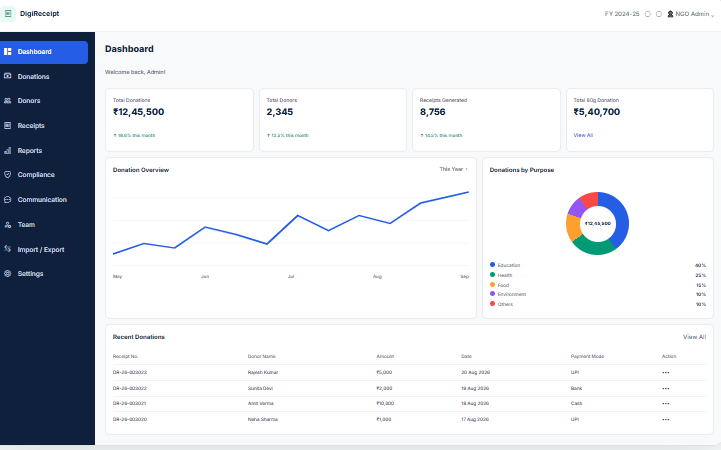
Donations play an important role in supporting charitable activities, social welfare programmes, educational initiatives, healthcare services, and community development. Individuals and businesses regularly contribute money or resources to non-governmental organisations (NGOs), charitable trusts, and other nonprofit institutions. When someone makes a donation, providing proper documentation is essential. A donation receipt serves as official acknowledgement that an organisation has received a contribution from a donor.
A donation receipt is more than just a payment confirmation. It helps maintain financial transparency, builds trust between donors and charitable organisations, and creates a documented record of contributions. Whether an NGO receives a small individual donation or a large corporate contribution, issuing a proper receipt is an important part of responsible financial management.
What Is a Donation Receipt?
A donation receipt is an official document issued by an NGO, charitable trust, nonprofit organisation, or eligible institution to acknowledge a donation received from an individual or organisation. It confirms the contribution and provides important details about the transaction.
The receipt generally includes the organisation's name, address, registration details, donor information, donation amount, payment date, payment method, and receipt number. Depending on the organisation's eligibility and applicable regulations, it may also include information about tax benefits.
For donors, this document provides proof of their contribution. For charitable organisations, it helps maintain accurate donation records and simplifies accounting, reporting, and financial documentation.
Why Is a Donation Receipt Important?
Issuing a donation receipt is important for maintaining transparency and building long-term relationships with donors. When donors receive proper acknowledgement of their contributions, they feel more confident about the organisation's financial practices.
A receipt also helps organisations maintain organised financial records. NGOs often receive contributions from multiple individuals, companies, and institutions. Recording every donation through a structured receipt system makes it easier to track transactions and prepare financial statements.
Another important benefit is documentation for tax purposes. Eligible donations to qualifying institutions may receive deductions under applicable income tax provisions. However, tax benefits depend on the organisation's approval status, the nature of the donation, and current legal requirements. A receipt alone does not automatically make every donation tax-deductible.
Essential Details to Include in a Donation Receipt
A properly prepared donation receipt should contain accurate information about both the donor and the receiving organisation. Missing or incorrect details can create confusion during financial verification or tax documentation.
Organisation Information
The receipt should clearly mention the organisation's registered name, complete address, and contact details. Where applicable, it should also include registration numbers, PAN details, and relevant approval information.
Donor Information
The donor's name and other relevant details should be recorded accurately. Depending on the organisation's documentation requirements, the receipt may include the donor's address, PAN, or other identification information.
Donation Details
The receipt should mention the donation amount in numbers and words, the date of receipt, and the payment method. If the contribution is made through a bank transfer, cheque, UPI, or another digital payment method, the relevant transaction reference may also be recorded.
Receipt Number and Date
Every donation receipt should have a unique identification number. This makes it easier for the organisation to search, verify, and manage donation records whenever required.
Different Types of Donation Receipts
Charitable organisations may issue different types of receipts depending on the nature of the contribution.
Cash Donation Receipt
A cash donation receipt is issued when a donor contributes money in cash. It acknowledges the amount received and records the transaction date. Organisations should follow applicable legal restrictions regarding cash donations and tax deductions.
Online Donation Receipt
Online donation receipts are generated for contributions made through UPI, net banking, debit cards, credit cards, and payment gateways. These receipts usually include transaction details and can be delivered through email or downloaded from the organisation's website.
In-Kind Donation Receipt
Not every donation involves money. Individuals and businesses may contribute clothes, food, books, medical equipment, furniture, or other useful resources. An in-kind donation receipt acknowledges the goods received and should describe the items appropriately.
How NGOs Can Generate Donation Receipts
NGOs can generate donation receipts manually or through digital systems. Smaller organisations may use properly maintained receipt books, while organisations handling a large number of contributions can benefit from digital receipt management software.
Digital donation receipt systems help reduce paperwork and make recordkeeping more organised. They allow organisations to generate receipts quickly, maintain donor information, and retrieve previous transaction records when needed.
Many NGOs also use accounting software or donation management platforms to track contributions. These systems can help reduce manual errors and improve communication with donors.
Before issuing a receipt, the organisation should verify the donation amount, payment status, donor details, and applicable tax-related information. Maintaining backups of digital receipts is also recommended.
Benefits of Digital Donation Receipts for NGOs
Digital receipts make donation management more convenient for both organisations and donors. Once a contribution is successfully received and verified, the organisation can generate and share the receipt electronically.
This reduces printing costs, saves administrative time, and makes documents easier to store. Donors can access their receipts whenever required without depending on physical paperwork.
Digital records also support better financial management. NGOs can organise donations by date, donor, payment method, and contribution amount. This makes financial reviews and reporting more manageable.
Conclusion
A donation receipt is an essential document for maintaining transparency, acknowledging contributions, and managing financial records in charitable organisations. It provides donors with proof of their generosity while helping NGOs maintain organised donation information.
Whether an organisation issues cash, online, or in-kind donation receipts, accuracy and proper documentation should always be priorities. By adopting a structured receipt management system, NGOs can improve donor trust, simplify administration, and maintain better financial accountability.
Frequently Asked Questions (FAQs)
1. What is a donation receipt?
A donation receipt is an official document issued by an NGO or charitable organisation to acknowledge a contribution received from a donor.
2. Why is a donation receipt important?
It provides proof of donation, supports financial recordkeeping, improves transparency, and may help eligible donors maintain documentation for tax purposes.
3. What details should a donation receipt contain?
It should generally include the organisation's name, donor details, receipt number, donation amount, payment date, and payment method.
4. Can NGOs issue donation receipts online?
Yes, NGOs can generate digital donation receipts and share them with donors through email or downloadable documents.
5. Is a donation receipt valid for income tax deductions?
A receipt may support a tax deduction claim when the receiving organisation and donation qualify under applicable income tax provisions. Eligibility and documentation requirements should be verified.
6. Can I get a donation receipt for an in-kind contribution?
Yes, organisations can issue receipts acknowledging non-monetary contributions such as clothes, food, books, and other donated goods.
7. How can an NGO maintain donation receipt records?
An NGO can maintain records using receipt books, spreadsheets, accounting software, or dedicated donation management systems. Digital recordkeeping can make tracking and retrieving receipts easier.

 English
 Arabic
 French
 Spanish
 Portuguese
 Turkish
 Dutch
 Italiano
 Russian
 Romaian
 Portuguese (Brazil)
 Greek
