


 About Urh Social
 Terms of Service
 Politique de confidentialité
 Contact
Clutch Release Bearing Replacement: Signs, Process, and Maintenance Tips
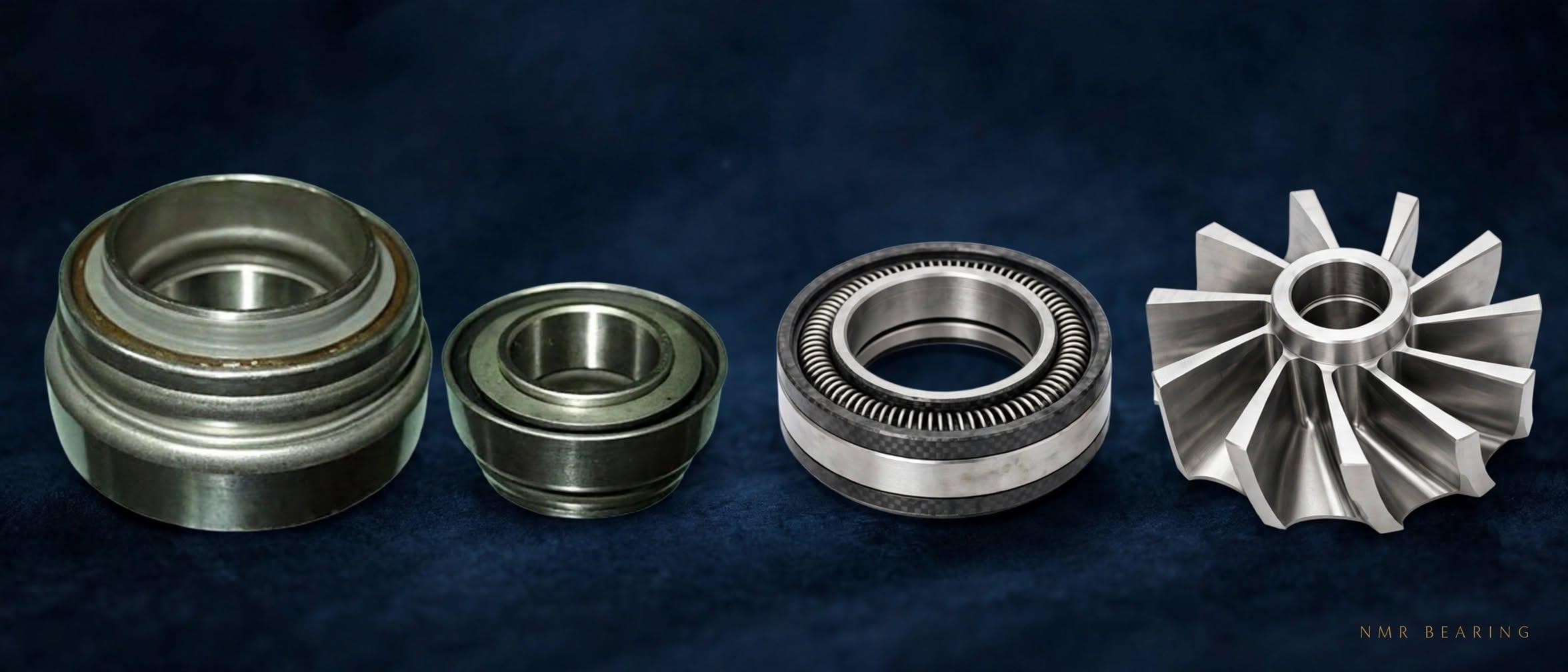
A vehicle's clutch system plays an essential role in transferring engine power to the transmission and allowing smooth gear changes. One of its important components is the release bearing, also known as the throw-out bearing. When this component becomes worn or damaged, drivers may experience unusual noises, clutch pedal problems, and difficulty changing gears. Understanding clutch release bearing replacement can help vehicle owners recognize potential problems and understand why timely maintenance is important.
Although the release bearing is relatively small, it performs an important function whenever the clutch pedal is pressed. Keeping it in good condition helps maintain smooth clutch operation and protects other components from unnecessary stress.
What Is a Clutch Release Bearing?
The clutch release bearing is a component within the clutch assembly. Its main purpose is to transfer pressure from the clutch operating mechanism to the pressure plate, allowing the clutch to disengage when the driver presses the pedal.
When the clutch pedal is pressed, the bearing applies force to the pressure plate's release mechanism. This allows the clutch disc to separate from the flywheel so the driver can change gears. When the pedal is released, the clutch system returns to its normal engaged position.
Because the bearing operates during clutch engagement and disengagement, it experiences repeated movement and mechanical pressure. Over time, normal wear, contamination, incorrect installation, or problems with surrounding components can affect its performance.
Common Signs of a Worn Clutch Release Bearing
Recognizing early warning signs can help prevent further damage to the clutch system. Some symptoms are easy to notice, while others become more apparent as the component deteriorates.
Unusual noise when pressing the clutch pedal
A common indication of a worn release bearing is a whining, grinding, squealing, or rattling sound when the clutch pedal is pressed. The noise may become more noticeable as the bearing deteriorates.
Noise that changes with pedal movement
If a noise appears when pressing the clutch and disappears when releasing it, the release bearing may be one possible cause. However, other clutch and transmission components can produce similar symptoms, so proper inspection is important.
Vibration through the clutch pedal
A damaged or unevenly operating bearing may create vibration or an unusual sensation through the clutch pedal. This can make normal driving less comfortable.
Difficulty changing gears
A worn or sticking release mechanism may prevent the clutch from disengaging correctly. Drivers might notice resistance when shifting gears, although similar symptoms can also result from problems with the clutch disc, pressure plate, hydraulic system, or transmission.
Changes in clutch pedal feel
Unusual stiffness, inconsistent pedal movement, or a pedal that does not return normally may indicate a problem within the clutch operating system.
These symptoms should not be ignored. A professional inspection can identify the actual cause and determine whether the release bearing needs replacement.
Why Does a Clutch Release Bearing Fail?
Clutch release bearings are designed to handle repeated mechanical movement, but several factors can shorten their service life.
-
Natural wear: Continuous operation gradually affects the bearing's internal components.
-
Excessive clutch use: Frequently holding the clutch pedal down can increase unnecessary bearing contact and wear.
-
Incorrect installation: Poor alignment or improper fitting can affect how the bearing moves and contacts the pressure plate.
-
Contamination: Dirt, moisture, and unsuitable substances can interfere with the bearing or surrounding mechanism.
-
Damaged supporting components: A worn guide sleeve, release fork, or pivot can prevent smooth movement and place additional stress on the bearing.
Identifying the underlying cause is important. Replacing the bearing without addressing a damaged guide or release mechanism may result in another failure.
How Is a Clutch Release Bearing Replaced?
Replacing a clutch release bearing is a technical repair that generally requires access to the clutch assembly. In many vehicles, this involves removing the transmission from the engine, making the process more involved than replacing an externally accessible component.
The exact procedure depends on the vehicle's design and whether it uses a conventional release bearing or a concentric hydraulic release assembly.
The general replacement process includes the following steps:
1. Inspect the clutch system
A technician first checks the reported symptoms and examines the clutch operating system. This helps determine whether the noise or pedal problem is actually related to the release bearing.
2. Prepare and secure the vehicle
The vehicle must be safely supported, and the necessary components must be disconnected according to the manufacturer's service instructions. Proper lifting equipment and transmission support are essential.
3. Remove the transmission
The transmission is carefully separated from the engine to provide access to the clutch assembly. This step requires suitable tools and technical experience.
4. Remove and examine the old bearing
The existing release bearing is removed and inspected for rough movement, excessive play, damage, or other signs of wear. The surrounding clutch components should also be checked.
5. Inspect related components
The technician examines the release fork, guide sleeve, pivot points, pressure plate, and clutch disc where applicable. Damaged or excessively worn parts should be addressed before installation.
6. Install the replacement bearing
The correct replacement bearing is fitted according to the vehicle manufacturer's instructions. Its position, alignment, retention, and movement must be checked carefully.
7. Reinstall and test the system
After the transmission is reinstalled, the clutch operating system is adjusted or bled where required. The technician then checks pedal movement, gear engagement, and overall clutch operation.
Because installation requirements vary between vehicles, the manufacturer's specifications should always be followed. This work is best handled by a qualified mechanic.
Should the Release Bearing Be Replaced with the Clutch Kit?
When a clutch assembly is being replaced, inspecting the release bearing is particularly important. In many cases, replacing it at the same time is a practical decision.
Accessing the release bearing often requires removing the transmission. If an old bearing is left in place and fails shortly after a new clutch is installed, the vehicle may need another major repair involving much of the same labor.
A complete inspection may also reveal wear in the release fork, guide sleeve, pressure plate, or hydraulic components. Addressing related problems during the same repair can reduce the risk of repeated maintenance.
The final decision should depend on the bearing's condition, vehicle requirements, and recommendations from the service professional.
How to Choose the Correct Replacement Bearing
Selecting the correct clutch release bearing is essential for reliable performance. Bearings that appear similar may have different dimensions, mounting arrangements, contact surfaces, and operating designs.
Before purchasing a replacement, consider the following factors:
-
Vehicle compatibility: Confirm the vehicle make, model, engine, and transmission specifications.
-
Original equipment reference: Use the correct OE number or approved cross-reference to identify a suitable part.
-
Bearing design: Check whether the system uses a push-type, pull-type, or concentric hydraulic release arrangement.
-
Dimensions: Verify the required fitting dimensions and contact surfaces.
-
Product quality: Choose a bearing manufactured to appropriate quality and performance standards.
A suitable replacement should match the original application rather than simply looking similar to the removed component.
Tips for Extending Clutch Release Bearing Life
Good driving habits and regular vehicle maintenance can help reduce unnecessary stress on the clutch system.
-
Avoid keeping your foot on the clutch pedal when it is not needed.
-
Do not hold the vehicle on a slope by slipping the clutch.
-
Use the clutch smoothly when starting and changing gears.
-
Pay attention to unusual noises or changes in pedal movement.
-
Have clutch problems inspected before they become more serious.
-
Use compatible replacement components when repairs are necessary.
-
Follow the vehicle manufacturer's maintenance and installation recommendations.
These practices can help support smoother clutch operation and reduce avoidable wear.
Why Quality Bearings Matter
The performance of a clutch system depends on the condition and compatibility of its individual components. A release bearing must handle repeated movement and pressure while maintaining smooth operation.
Choosing a properly matched, quality replacement can help reduce the risk of premature wear, installation problems, and unnecessary repairs. Manufacturers and suppliers with a focus on bearing products can help customers identify suitable components for different automotive applications.
It is equally important to ensure that the replacement is installed correctly and that related clutch components are inspected during the repair.
Conclusion
The clutch release bearing plays an important role in the smooth operation of a vehicle's clutch system. Unusual noises, pedal vibration, and difficulty changing gears can indicate a problem that requires professional inspection.
Timely replacement, correct part selection, and careful installation can help maintain clutch performance and prevent unnecessary damage to related components. By paying attention to early warning signs and following proper maintenance practices, vehicle owners can support a more reliable and comfortable driving experience.

 English
 Arabic
 Spanish
 Portuguese
 Deutsch
 Turkish
 Dutch
 Italiano
 Russian
 Romaian
 Portuguese (Brazil)
 Greek
