


 About Urh Social
 Terms of Service
 Privacy Policy
 Contact
Varicocele Treatment: Symptoms, Causes, Diagnosis, and Best Treatment Options
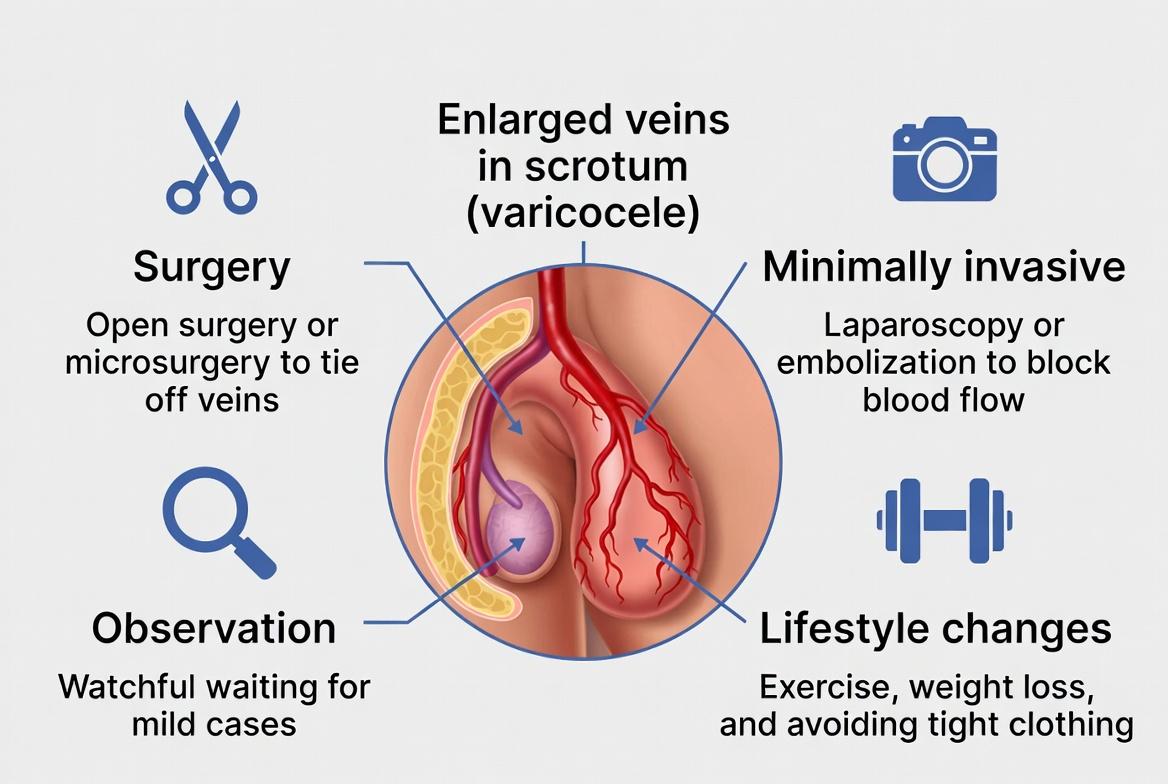
Varicocele is a common male reproductive health condition that occurs when the veins inside the scrotum become enlarged. These veins carry blood away from the testicles, and when their valves do not function properly, blood can accumulate, resulting in swollen veins. Although varicocele does not always cause noticeable symptoms, it can sometimes lead to testicular discomfort, heaviness, reduced testicular size, and fertility problems.
Many men discover they have varicocele during a routine medical examination or fertility assessment. While mild cases may not require medical intervention, moderate or severe cases may need treatment, particularly when they cause persistent pain or affect sperm quality.
Fortunately, several effective varicocele treatment options are available. These include conservative management, microsurgical varicocelectomy, laparoscopic surgery, and minimally invasive varicocele embolization. Understanding the condition and available treatments can help men make informed decisions about their reproductive health.
What Is Varicocele?
A varicocele is an enlargement of the veins within the scrotum, the skin-covered pouch that contains the testicles. These veins form a network called the pampiniform plexus, which helps regulate testicular temperature and transports blood away from the testicles.
Normally, small valves inside the veins ensure that blood flows in the correct direction. When these valves become weak or stop functioning properly, blood may flow backward and collect inside the veins. This causes them to enlarge, resulting in a varicocele.
Varicocele most commonly develops on the left side of the scrotum because of differences in the anatomical arrangement of the testicular veins. However, it can also occur on the right side or affect both testicles.
The condition often develops during puberty and may gradually become more noticeable over time. Although varicocele is relatively common, not every affected man experiences pain, infertility, or other complications.
What Causes Varicocele in Men?
The exact cause of varicocele is not always known. However, the condition is generally associated with abnormal blood flow through the veins surrounding the testicles.
Several factors may contribute to its development.
1. Weak or damaged vein valves
Veins contain small valves that prevent blood from flowing backward. When these valves do not work properly, blood can accumulate in the testicular veins, causing them to become enlarged.
2. Increased pressure in the veins
Higher pressure within the veins responsible for draining blood from the testicles may contribute to varicocele formation.
3. Anatomical differences
The left testicular vein drains into the left renal vein, while the right testicular vein usually drains directly into the inferior vena cava. This difference in anatomy partly explains why varicocele is more common on the left side.
4. Puberty and physical development
Varicocele frequently develops during adolescence. Changes in blood flow and testicular growth during puberty may make the condition more noticeable.
5. Abnormal venous circulation
Differences in vein structure and blood circulation may contribute to the development of enlarged scrotal veins.
Varicocele is not generally caused by masturbation, sexual activity, or poor personal hygiene.
Common Symptoms of Varicocele
Many men with varicocele do not experience symptoms. In some cases, the condition is discovered during a physical examination for an unrelated medical concern.
However, symptomatic varicocele can cause several noticeable problems.
Common symptoms include:
-
Dull testicular pain: A mild aching sensation in one or both testicles.
-
Scrotal heaviness: A dragging or heavy feeling, especially after standing for extended periods.
-
Visible enlarged veins: Enlarged veins may become noticeable above or around the testicle.
-
Pain after exercise: Discomfort may increase after physical activity or heavy lifting.
-
Testicular shrinkage: The affected testicle may become smaller than the other testicle.
-
Fertility problems: Some men experience reduced sperm count, motility, or quality.
-
Scrotal discomfort: The affected area may feel uncomfortable, particularly toward the end of the day.
Symptoms may improve when lying down because blood can drain more easily from the affected veins.
Men experiencing persistent testicular pain, swelling, or changes in testicular size should consult a healthcare professional. Sudden and severe testicular pain requires urgent medical assessment.
Different Grades of Varicocele
Doctors commonly classify varicocele into three clinical grades based on the size of the enlarged veins and their visibility or detectability during physical examination.
Grade 1 Varicocele
Grade 1 is the mildest form. The enlarged veins cannot usually be felt during a normal examination but may become noticeable when the patient performs the Valsalva maneuver.
Grade 2 Varicocele
Grade 2 is a moderate condition. The enlarged veins can be felt during a physical examination without requiring the patient to perform the Valsalva maneuver, although they may not be visible.
Grade 3 Varicocele
Grade 3 is the most noticeable clinical grade. The enlarged veins are visible through the scrotal skin and can easily be felt during examination.
The grade alone does not determine whether treatment is necessary. Symptoms, testicular development, semen analysis, and fertility goals are also important considerations.
How Is Varicocele Diagnosed?
An accurate diagnosis helps doctors determine the severity of the condition and identify whether treatment is required.
A urologist may recommend the following diagnostic procedures.
1. Physical Examination
The doctor examines the scrotum while the patient is standing and sometimes lying down. The examination helps identify enlarged veins, testicular size differences, and other abnormalities.
The Valsalva maneuver may also be performed to make the enlarged veins more noticeable.
2. Scrotal Ultrasound
Scrotal ultrasound uses sound waves to examine the testicles and surrounding structures. It helps identify enlarged veins, evaluate testicular size, and investigate other possible causes of scrotal discomfort.
3. Doppler Ultrasound
Doppler ultrasound evaluates blood circulation within the testicular veins. It can identify abnormal backward blood flow, known as venous reflux, and provide useful information about the condition.
4. Semen Analysis
For men experiencing fertility problems, semen analysis can help determine whether varicocele is associated with changes in sperm quality.
The test evaluates:
-
Sperm concentration.
-
Total sperm count.
-
Sperm motility.
-
Sperm morphology.
-
Semen volume.
5. Hormonal Blood Tests
In selected patients, doctors may recommend hormonal testing to evaluate reproductive function. These tests may include testosterone, follicle-stimulating hormone (FSH), and luteinizing hormone (LH).
Best Treatment Options for Varicocele
Treatment of Varicocele depends on the patient's symptoms, the severity of the condition, testicular health, and fertility concerns.
Not every man with varicocele needs surgery. Men with mild cases and no significant symptoms may only require regular monitoring.
However, treatment may be recommended when varicocele causes persistent pain, testicular growth problems, or fertility-related concerns.
1. Conservative Treatment
Conservative management is generally recommended for men with mild symptoms who do not have significant testicular dysfunction or fertility-related indications for intervention.
It may include:
-
Wearing supportive underwear.
-
Avoiding activities that consistently worsen discomfort.
-
Taking breaks from prolonged standing.
-
Applying a cold pack wrapped in a towel for short periods.
-
Using appropriate pain-relieving medication when recommended by a doctor.
-
Attending regular medical follow-up appointments.
These measures can help manage discomfort but cannot permanently remove enlarged veins or correct abnormal blood flow.
2. Microsurgical Varicocelectomy
Microsurgical varicocelectomy is a commonly preferred surgical treatment for clinically significant varicocele.
The procedure involves identifying and closing the enlarged veins while preserving important structures, including the testicular artery and lymphatic vessels.
During surgery, the patient receives anesthesia, and the surgeon makes a small incision near the groin or below the inguinal canal. Using surgical magnification, the enlarged veins are identified and carefully ligated.
The incision is then closed, and the patient begins recovery.
Potential benefits include:
-
Reduced abnormal blood flow through enlarged veins.
-
Improvement in varicocele-related pain.
-
Potential improvement in sperm quality.
-
Lower recurrence and hydrocele rates compared with some other surgical approaches.
3. Laparoscopic Varicocele Surgery
Laparoscopic varicocelectomy is another surgical option. It involves making small abdominal incisions through which a camera and specialized instruments are inserted.
The surgeon identifies and closes the abnormal veins responsible for varicocele.
This approach may be suitable for selected patients, including some men with bilateral varicocele. However, the choice of surgery depends on the patient's condition and the surgeon's experience.
4. Varicocele Embolization
Varicocele embolization is a minimally invasive treatment that blocks the abnormal veins without conventional surgery.
An interventional radiologist inserts a thin catheter into a vein, usually through the neck or groin. Using imaging guidance, the catheter is directed toward the affected testicular vein.
The abnormal vein is then blocked using specialized coils, plugs, or other embolic materials. This redirects blood through healthy veins and reduces abnormal venous circulation.
Benefits of varicocele embolization include:
-
No conventional surgical incision in the groin.
-
Usually performed as an outpatient procedure.
-
Often requires only local anesthesia with sedation.
-
Relatively short recovery time.
-
May be useful for selected cases of recurrent varicocele.
However, embolization is not appropriate for every patient. The decision should be based on individual anatomy, treatment goals, and specialist assessment.
Which Varicocele Treatment Is Best?
There is no single treatment that is best for every patient.
Microsurgical varicocelectomy is widely used for men who require surgical treatment, particularly when fertility outcomes are important. Embolization is an alternative for suitable patients who prefer a minimally invasive procedure or have recurrent varicocele after surgery.
Conservative management may be sufficient for men who have no significant symptoms or complications.
The doctor considers several factors before recommending treatment, including:
-
Severity of varicocele.
-
Presence of testicular pain.
-
Testicular size and development.
-
Semen analysis results.
-
Fertility plans.
-
Previous treatment history.
-
Overall health.
A proper medical evaluation is essential before selecting a treatment method.
Can Varicocele Cause Male Infertility?
Varicocele is one of the commonly recognized conditions associated with male infertility. Enlarged veins can interfere with the normal temperature regulation of the testicles and may contribute to oxidative stress and impaired sperm production.
Some men with varicocele experience:
-
Reduced sperm concentration.
-
Poor sperm motility.
-
Abnormal sperm morphology.
-
Reduced overall semen quality.
However, having varicocele does not automatically mean that a man is infertile.
In appropriately selected men with a palpable varicocele, infertility, and abnormal semen parameters, treatment may improve sperm quality and increase the likelihood of pregnancy.
Sperm improvement is not immediate. Because sperm production takes approximately 74 days, changes are generally assessed several months after treatment.
It is also important to evaluate the female partner when couples are experiencing difficulty conceiving.
Does Varicocele Affect Testosterone Levels?
The testicles produce testosterone, an important hormone responsible for male reproductive function, sexual health, muscle development, and other physiological processes.
Some studies suggest that varicocele may be associated with reduced testosterone production in certain men.
In selected patients with low testosterone, varicocele repair may improve hormone levels. However, the results vary, and treatment should not be considered a guaranteed way to increase testosterone.
Men experiencing symptoms such as reduced libido, fatigue, or erectile difficulties should undergo appropriate hormonal and medical evaluation.
Recovery After Varicocele Treatment
Recovery depends on the treatment method and the patient's individual circumstances.
After microsurgical or laparoscopic varicocele surgery, patients may experience mild swelling, bruising, and discomfort around the treatment area.
General recovery recommendations include:
-
Rest during the first 24 to 48 hours.
-
Avoid heavy lifting and strenuous exercise for the period recommended by the surgeon.
-
Keep the surgical incision clean.
-
Wear supportive underwear if advised.
-
Take prescribed medication as directed.
-
Avoid sexual activity until cleared by the treating doctor.
-
Attend follow-up appointments.
Many patients return to light daily activities within several days, while complete recovery may take a few weeks.
After embolization, recovery is often shorter. Most patients can return home the same day and resume light activities within one or two days, depending on their condition.
Possible Risks and Complications of Varicocele Treatment
Varicocele treatment is generally safe, but complications can occur.
Potential complications of surgery include:
-
Infection.
-
Bleeding or hematoma.
-
Hydrocele formation.
-
Persistent or recurrent varicocele.
-
Continued testicular pain.
-
Rare injury to the testicular artery.
Potential complications of embolization include:
-
Bruising or bleeding at the catheter insertion site.
-
Contrast material reactions.
-
Radiation exposure.
-
Coil migration.
-
Persistent or recurrent varicocele.
Discussing the potential risks and expected benefits with an experienced specialist is important before undergoing treatment.
When Should You See a Doctor for Varicocele?
Men should seek medical advice if they experience persistent scrotal pain, enlarged veins, testicular shrinkage, swelling, or difficulty conceiving.
A medical evaluation is particularly important when symptoms interfere with everyday activities or when there are concerns about fertility.
Early assessment can help identify the condition, rule out other causes of testicular discomfort, and determine whether monitoring or treatment is appropriate.
Varicocele Treatment at Dot Clinics in Lahore and Multan
Men experiencing male reproductive health concerns should seek professional medical advice rather than relying on home remedies or unverified treatments.
Dot Clinics, with locations in Lahore and Multan, Pakistan, provides healthcare services for various skin, hair, aesthetic, and men's health concerns.
Men concerned about varicocele, testicular discomfort, or fertility-related issues can seek consultation to discuss their symptoms and appropriate next steps.
A proper evaluation helps determine whether further diagnostic testing, conservative management, or referral to a specialist for varicocele surgery or embolization is appropriate.
The most suitable treatment depends on individual medical findings, reproductive goals, and the advice of a qualified healthcare professional.
Frequently Asked Questions (FAQs)
1. Can varicocele be cured permanently?
Varicocele can be successfully treated through microsurgical varicocelectomy or embolization. However, recurrence or persistence is possible, and no treatment guarantees permanent resolution.
2. Is varicocele a serious condition?
Most varicoceles are not dangerous. However, some cases may cause persistent pain, testicular growth problems, or impaired sperm production and should be medically evaluated.
3. Can varicocele go away without surgery?
Mild varicocele may remain stable without requiring surgery. Conservative management can help relieve discomfort, but it does not eliminate enlarged veins.
4. Does varicocele affect sperm count?
Yes, varicocele may affect sperm production and reduce sperm count in some men. However, many men with varicocele have normal semen parameters.
5. Is varicocele surgery safe?
Varicocele surgery is generally safe when performed by an experienced surgeon. Potential complications include hydrocele, infection, bleeding, recurrence, and persistent pain.
6. How long does varicocele surgery take?
The procedure generally takes around 30 to 90 minutes, depending on the surgical approach and whether one or both sides require treatment.
7. Can varicocele cause erectile dysfunction?
Varicocele is not generally considered a direct cause of erectile dysfunction. Some men may have associated hormonal or other health concerns that require separate evaluation.
8. How long does it take to recover from varicocele surgery?
Many patients return to light activities within several days. Complete recovery may take a few weeks, depending on the surgical technique and individual healing.
9. Does varicocele treatment improve fertility?
Treatment may improve sperm concentration, motility, and other semen parameters in appropriately selected men. However, improved fertility or pregnancy cannot be guaranteed.
10. Can varicocele return after treatment?
Yes. Recurrence or persistence is possible following surgery or embolization. Further examination may be necessary if symptoms continue or return.
Conclusion
Varicocele is a common condition affecting the veins surrounding the testicles. Although many men do not experience noticeable symptoms, it can sometimes contribute to scrotal discomfort, testicular changes, and fertility problems.
Fortunately, several treatment options are available, including conservative management, microsurgical varicocelectomy, laparoscopic surgery, and varicocele embolization.
The most appropriate treatment depends on the severity of the condition, symptoms, testicular health, and fertility goals. Men experiencing persistent discomfort or reproductive health concerns should consult a qualified healthcare professional for proper diagnosis and treatment.
With timely medical assessment and an individualized treatment plan, many men can effectively manage varicocele and address its associated complications.

 English
 Arabic
 French
 Spanish
 Portuguese
 Deutsch
 Turkish
 Dutch
 Russian
 Romaian
 Portuguese (Brazil)
 Greek
