


 About Urh Social
 Terms of Service
 Privacy Policy
 Contact
How to Build a Profitable Wholesale Home Decor Product Collection
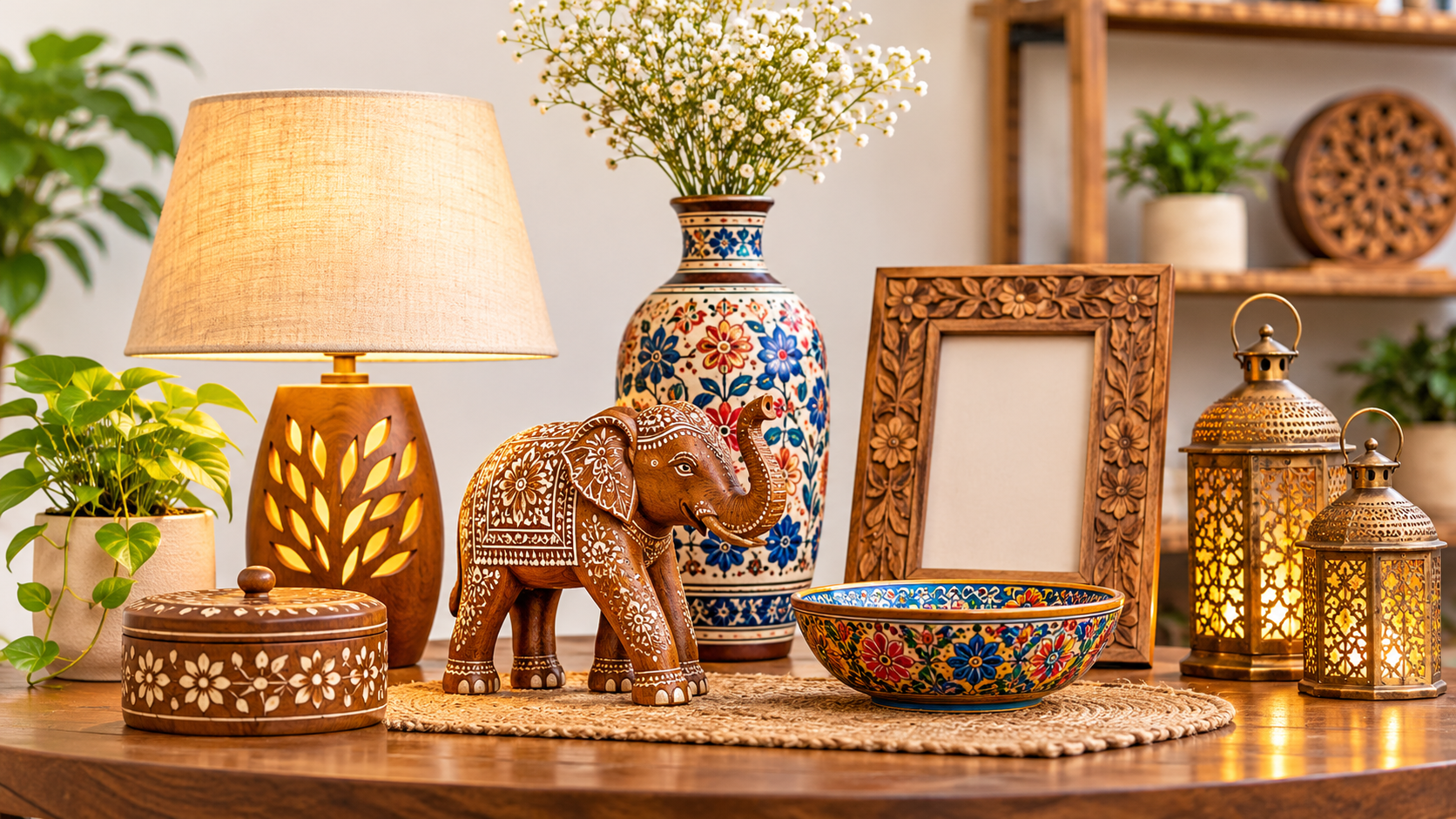
A retail store may display dozens of decorative products, but that does not mean every item contributes equally to sales. Some products attract attention, others encourage repeat purchases, and some remain unsold for months.
Building a profitable collection requires more than purchasing attractive designs at wholesale prices.
Retailers must understand customer demand, control inventory costs, and choose products that fit their store's identity.
When selecting Wholesale Home Decor Products, businesses should consider product variety, pricing, visual presentation, and supplier consistency.
This guide explains how retailers can develop a well-balanced decorative accessories collection without unnecessarily increasing inventory risks.
Define Your Store's Market Position
Before purchasing products, retailers should identify the customers they want to serve.
A premium lifestyle store will require a different collection from a budget-oriented home accessories shop.
Customer preferences may depend on interior styles, available space, purchasing budgets, and intended product use.
For example, customers furnishing small apartments may prefer compact wall accessories and organizers.
Buyers furnishing larger homes may prefer statement mirrors or decorative products with stronger visual impact.
Define your store's preferred materials, design style, price range, and target customer before selecting inventory.
This prevents a collection from becoming an unrelated assortment of decorative items.
Balance Decorative and Functional Products
An effective Home Decor Product Collection should include products that serve different customer needs.
Purely decorative products can attract attention through distinctive shapes and finishes.
Functional accessories may offer additional practical value.
For example, mirrors serve everyday purposes while complementing interiors.
Retailers can consider Decorative Wall Mirrors as part of a collection that combines visual appeal with functional use.
Smaller decorative items may also work well as gifts or impulse purchases.
The objective is not to carry every possible product. It is to create a balanced selection that customers can understand and explore.
Divide Products Into Clear Retail Categories
Product categorization makes inventory management and visual merchandising easier.
Retailers can organize decorative products into groups such as:
-
Wall decoration and mirrors
-
Tabletop accessories
-
Bookends and desk products
-
Entryway organizers
-
Candle holders and display accessories
-
Themed decorative products
Each category should have a defined purpose within the assortment.
For instance, a store selling furniture and home office accessories may include Wooden Bookends in its desk styling section.
A gift shop may position the same product as a practical present for readers.
Clear categorization helps retailers plan shelf space, product descriptions, and promotional campaigns.
Select Products Across Different Price Ranges
Customers rarely enter a retail store with identical budgets.
Offering products at several price points can make a collection accessible to a wider audience.
Retailers may organize inventory into entry-level, mid-range, and premium categories.
Lower-priced accessories can support smaller purchases, while distinctive handcrafted items may appeal to customers seeking something more specialized.
However, selling price should reflect more than appearance.
Consider purchasing costs, packaging, transportation, storage, marketplace charges, and expected returns.
Retailers purchasing Bulk Home Decor Accessories should calculate realistic margins before approving orders.
A high markup does not necessarily produce strong profits if inventory moves slowly.
Use Product Combinations to Improve Merchandising
Customers often find it easier to visualize decorative products when they are displayed together.
A mirror can be placed above a console table with smaller accessories.
A desk organizer may be displayed alongside bookends and reading materials.
For entryway arrangements, Wooden Key Holder designs can be presented with other practical household accessories.
This approach demonstrates how products fit into everyday spaces.
Retailers can also create coordinated collections based on material, colour, or interior style.
However, avoid forcing unrelated products into bundles simply to increase the transaction value.
Each combination should offer a clear practical or visual benefit.
Evaluate Products for Storage and Handling
Inventory planning must account for the space required to store and display products.
Large mirrors may occupy significant warehouse space and require protective handling.
Small wooden accessories may be easier to organize, but they still need appropriate packaging.
Retailers should compare product dimensions, carton quantities, packaging weight, and storage requirements.
Fragile accessories may also create additional inspection and handling costs.
These factors influence the total cost of stocking Handcrafted Home Decor Products.
Businesses with limited storage capacity may benefit from starting with smaller test orders before increasing purchasing volumes.
Introduce New Products Through Controlled Testing
New decorative products should be introduced through a planned evaluation process.
Rather than ordering large quantities immediately, retailers can test a limited selection.
Monitor customer interest, sales speed, returns, and product feedback.
For example, a store exploring decorative tabletop accessories may introduce a small range of Candle Holder designs.
After reviewing actual sales performance, the retailer can decide whether to expand the category.
This approach helps businesses avoid overcommitting to products that may not suit their customers.
It also provides useful information for future supplier negotiations.
Build Reliable Relationships With Suppliers
A successful wholesale collection depends on the ability to replenish products consistently.
When evaluating Home Decor Suppliers in India, retailers should ask about repeat-order availability, lead times, minimum order quantities, and design modifications.
Clear specifications help maintain consistency between different production batches.
Suppliers should also communicate potential material changes or manufacturing delays.
Square N Circle offers several handcrafted product categories that retailers can evaluate when sourcing decorative accessories.
Buyers should confirm available designs, quantities, specifications, and commercial terms directly before placing orders.
Frequently Asked Questions
1. How can retailers choose profitable home decor products?
Retailers should compare customer demand, purchase costs, expected margins, storage requirements, and actual sales performance.
2. Should a home decor store stock many product categories?
A balanced range is useful, but excessive variety can increase inventory costs. Stores should prioritize products relevant to their customers.
3. Are handcrafted accessories suitable for wholesale retail?
Yes. They can provide distinctive designs, but buyers should verify quality consistency, supply availability, and pricing before ordering.
4. How can retailers test new decorative products?
They can begin with limited quantities, monitor customer feedback and sales, and expand orders when demand becomes clearer.
5. Why is supplier consistency important?
Consistent specifications and repeat-order availability help retailers maintain product quality and replenish popular designs.
Conclusion
Building a profitable decorative product collection requires careful assortment planning, realistic pricing, and effective inventory management.
Retailers should combine functional and decorative products, select suitable price ranges, and test new designs before committing to large quantities.
Businesses interested in expanding their wholesale collections can explore Square N Circle's handcrafted decorative accessories and discuss available products with its team.

 English
 Arabic
 French
 Spanish
 Portuguese
 Deutsch
 Turkish
 Dutch
 Italiano
 Russian
 Portuguese (Brazil)
 Greek
