


 About Urh Social
 Terms of Service
 Privacy Policy
 Contact
How Do Surgeons Plan a Tummy Tuck for Patients With Uneven Skin Folds?
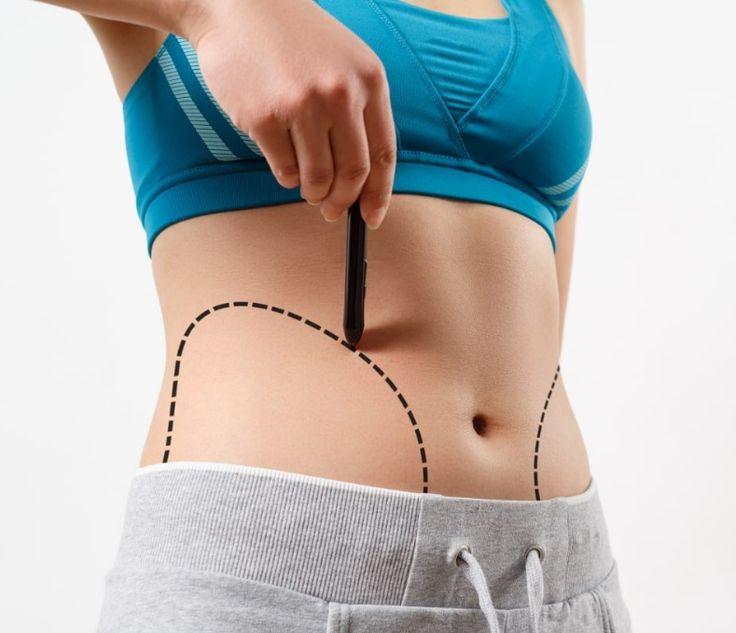
Have you noticed that one side of your lower abdomen hangs more than the other, or that your stomach develops uneven folds when you sit or bend forward? This can happen after pregnancy, significant weight loss, or repeated changes in body weight. Even when someone is close to their ideal weight, loose abdominal skin may remain unevenly distributed. For individuals considering Tummy Tuck in Islamabad, correcting these differences requires more than simply removing excess skin. The surgeon must understand how the skin, underlying fat, and abdominal muscles contribute to the uneven appearance.
A tummy tuck, also known as abdominoplasty, removes excess skin and reshapes the abdominal contour. When folds are uneven, surgical planning becomes particularly important because removing equal amounts of tissue from both sides does not necessarily produce a balanced result. The objective is to create a smoother abdominal shape while respecting the body's natural anatomy and existing asymmetry.
Why Do Uneven Abdominal Skin Folds Develop?
Abdominal skin does not always stretch or recover equally on both sides. Pregnancy can place different levels of tension on the abdominal tissues, while significant weight loss may leave excess skin concentrated around particular areas.
Previous abdominal surgery, natural differences in fat distribution, ageing, and changes in skin elasticity can also contribute. Some patients notice a deeper fold on one side, while others have an uneven lower abdominal overhang extending towards the hips.
Muscle separation, known as diastasis recti, can further influence the overall abdominal shape. Identifying whether the unevenness comes from loose skin, fat, muscle separation, or a combination is the first step towards appropriate surgical planning.
How Do Surgeons Examine Uneven Skin Folds Before Surgery?
The assessment begins with examining the abdomen from different angles. Surgeons commonly evaluate patients while standing because gravity makes loose skin and natural folds easier to identify.
The surgeon may also examine the abdomen while the patient is lying down to assess skin movement, tissue thickness, and abdominal wall support. Gentle pinching of the skin can help estimate the amount of excess tissue available for removal.
Measurements and photographs may be used to document differences between the two sides. A detailed assessment helps establish which areas require correction and how much skin can be safely removed.
Which Factors Influence the Surgical Plan?
Every abdomen has a different pattern of skin laxity. During consultation for Tummy Tuck in Islamabad, surgeons may consider several factors:
-
Unequal skin laxity: One side may have more stretched or hanging skin than the other.
-
Location of skin folds: Excess tissue may be concentrated below the belly button, around the waist, or across the entire abdomen.
-
Fat distribution: Uneven subcutaneous fat can contribute to differences in abdominal contour.
-
Muscle separation: Diastasis recti may create a central bulge or affect the overall abdominal profile.
-
Previous surgical scars: C-section scars and other abdominal incisions can influence tissue movement and incision placement.
-
Skin elasticity: The ability of the remaining skin to stretch and settle affects how much correction is possible.
-
Natural body asymmetry: Differences in the hips, pelvis, and abdominal structure may remain even after surgery.
These factors help determine the amount and direction of skin removal rather than relying on identical measurements on both sides.
How Do Surgeons Plan the Incision for Uneven Skin Removal?
The position and length of the tummy tuck incision are important because they influence how the remaining skin is repositioned. Surgeons usually plan a horizontal incision across the lower abdomen, with its design determined by the location and amount of excess skin.
When one side has more loose tissue, the surgeon must carefully assess how the skin will move towards the centre during closure. The goal is to remove enough tissue to improve the contour without creating excessive tension or distorting the lower abdominal area.
Preoperative markings are generally made while the patient is standing, using anatomical landmarks such as the abdominal midline, hip bones, and pubic region. These markings help guide a more balanced removal of tissue.
A patient with significant asymmetry may need adjustments to the planned excision rather than a perfectly mirrored removal pattern. The final scar position must also be considered so that the incision remains appropriately placed and can heal safely.
Does Uneven Skin Require Removing Different Amounts From Each Side?
Sometimes. If one side has considerably more excess skin, removing exactly the same amount from both sides may not create the most balanced contour.
However, removing substantially different amounts without considering the surrounding anatomy can also create problems. The surgeon needs to assess skin tension, tissue movement, blood supply, and the position of the belly button before deciding how much correction is appropriate.
The amount removed may therefore differ slightly according to the patient's anatomy. This does not mean the surgeon is trying to make both sides mathematically identical.
Balanced contouring is more important than matching the amount of skin removed from each side.
Which Tummy Tuck Technique May Be Suitable for Uneven Skin Folds?
The appropriate procedure depends on how extensively the skin folds are distributed. A patient with a small lower abdominal fold may not require the same operation as someone with loose skin extending across the waist.
A mini tummy tuck may be considered when excess skin is mainly below the belly button. A full tummy tuck is generally more appropriate when loose skin affects a larger portion of the abdomen and the belly button needs repositioning.
For patients with excess skin extending towards the flanks, an extended tummy tuck may be discussed. In selected cases with both horizontal and vertical skin excess, a fleur-de-lis technique may be considered, although it creates an additional vertical scar.
The choice of technique depends on the overall distribution of excess tissue, not simply the most noticeable fold.
Can Liposuction Help Correct Uneven Abdominal Contours?
Yes, when unevenness is partly caused by localised fat deposits rather than loose skin alone. Liposuction can remove selected pockets of subcutaneous fat to improve the transition between the abdomen and surrounding areas.
However, liposuction and tummy tuck surgery address different problems. Liposuction removes fat, while abdominoplasty removes excess skin and may include abdominal muscle repair.
Combining these procedures requires careful planning because extensive fat removal can affect the blood supply to the abdominal skin. This is particularly important when the tissues have already been stretched or affected by previous surgery.
The surgeon must balance fat reduction with skin safety rather than attempting to remove every visible irregularity.
What If Muscle Separation Also Contributes to the Uneven Shape?
Some patients have both uneven skin folds and diastasis recti. In this condition, the connective tissue between the abdominal muscles becomes stretched, allowing the abdomen to protrude.
If muscle separation is contributing to the shape, the surgeon may recommend muscle plication during a tummy tuck. This involves bringing the separated muscles closer together using internal sutures.
Muscle repair can improve the abdominal profile, but it does not directly correct every surface irregularity. Skin removal, muscle tightening, and fat reduction must be planned according to the specific problems identified during examination.
Can a Tummy Tuck Guarantee Perfectly Even Skin?
No. Even with careful planning, a perfectly symmetrical abdomen cannot be guaranteed. Natural differences in pelvic structure, skin elasticity, tissue thickness, and healing may remain after surgery.
Some patients may also have differences in scar position, belly button appearance, or the way the skin settles during recovery. Swelling can temporarily make one side appear fuller than the other.
The final contour develops gradually as the tissues heal and swelling improves. Patients should understand that the aim is meaningful improvement rather than absolute symmetry.
Realistic expectations are essential, particularly when natural asymmetry already exists before surgery.
How Can Patients Prepare for a Tummy Tuck Consultation?
Before your appointment, think about which folds concern you most and whether they change when standing, sitting, or bending. Photographs from different angles may help communicate your concerns, although the surgeon will still need to perform a physical examination.
Discuss previous pregnancies, weight changes, abdominal operations, hernias, medications, and any existing medical conditions. You should also ask about the proposed incision, expected scar position, recovery period, and possible complications.
For patients considering Tummy Tuck in Islamabad, choosing a qualified plastic surgeon with relevant experience in abdominal contouring is particularly important.
Clear communication helps the surgeon plan around your individual body shape instead of applying a standard surgical design.
Final Thoughts
Surgeons plan a tummy tuck for uneven skin folds by carefully assessing skin laxity, fat distribution, muscle separation, previous scars, and natural body asymmetry. The amount of skin removed and the incision design are then adjusted to improve abdominal balance while maintaining adequate tissue blood supply and safe closure. A personalised approach is essential because every patient's abdominal structure is different.
For individuals considering Tummy Tuck in Islamabad, Dynamic Aesthetic Clinic offers personalised body-contouring consultations, experienced board-certified surgeons, and advanced surgical techniques. Its team can assess uneven abdominal folds, evaluate underlying tissue differences, and discuss an individualised surgical approach focused on balanced contours and patient safety.

 English
 Arabic
 French
 Spanish
 Portuguese
 Deutsch
 Dutch
 Italiano
 Russian
 Romaian
 Portuguese (Brazil)
 Greek
