


 About Urh Social
 Terms of Service
 Politique de confidentialité
 Contact
How Proper Posture Protects Your Spine During Heavy Physical Tasks
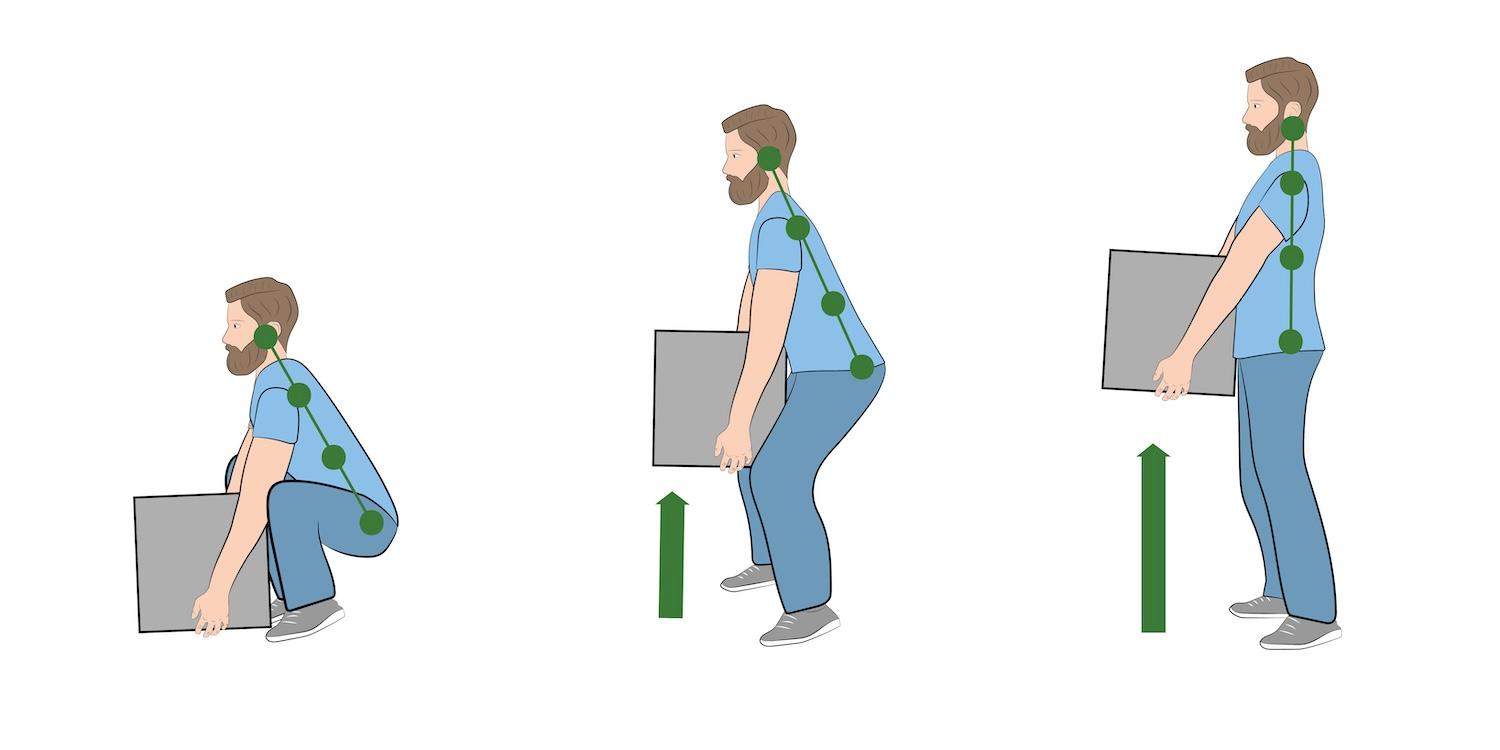
Workplace musculoskeletal disorders remain one of the leading causes of chronic pain, long-term disability, and lost productivity across physically demanding industries. Whether working in warehousing, construction, manufacturing, or healthcare, employees routinely lift, push, pull, and carry heavy loads that place immense biomechanical stress on the human body. While modern workplaces increasingly rely on mechanical aids to reduce physical strain, human movement remains indispensable on the floor. Understanding how spinal alignment interacts with gravitational forces is critical for preventing acute injuries and cumulative wear. By maintaining proper posture during heavy physical tasks, workers can distribute mechanical loads evenly, protect delicate spinal structures, and sustain career longevity without sacrificing daily efficiency.
The Biomechanics of Spinal Alignment Under Load
The human spine is an engineering marvel composed of interlocking vertebrae, shock-absorbing intervertebral discs, stabilizing ligaments, and supportive musculature. Viewed from the side, a healthy spine exhibits three natural curves—cervical, thoracic, and lumbar—that form an elongated S-shape. This neutral alignment acts like a coiled spring, dispersing downward compressive forces efficiently across the entire column. However, when a worker bends forward at the waist or twists under a heavy load, these natural curves flatten or reverse. Shifting the spine out of neutral dramatically increases shear forces and concentrates pressure on the front edges of the lumbar discs, turning a manageable lift into a high-risk event for herniation or ligament sprain.
Engaging the Core and Lower Body as a Unified System
Protecting the spine during strenuous labor requires shifting the primary workload away from the delicate lower back and onto the body’s largest, most resilient muscle groups. When preparing to lift or move an object, keeping the chest elevated and the shoulders pulled slightly back helps lock the upper spine into a safe, neutral position. Simultaneously, bracing the deep abdominal muscles creates intra-abdominal pressure, acting as an internal weightlifting belt that stabilizes the lumbar vertebrae from the front. From this braced position, power should originate from the hips, glutes, and quadriceps rather than the back. Driving upward through the heels while keeping the load close to the body’s center of gravity minimizes leverage strain and preserves spinal integrity.
Avoiding the Hidden Dangers of Twisting and Reaching
Many severe back injuries do not occur from lifting an exceptionally heavy object, but rather from combining moderate weight with awkward rotational movements. Twisting the torso while holding a heavy load places extreme torsional stress on the annulus fibrosus—the tough outer ring of the intervertebral discs—making it highly vulnerable to micro-tears. Similarly, reaching far out in front of the body to grab or place an item multiplies the effective weight exerted on the lower back due to basic lever mechanics. Workers can eliminate these hazards by pivoting their feet to change direction instead of rotating their spine, and by clearing obstacles so they can step directly up to a load before engaging their muscles.
Building Physical Literacy Through Structured Ergonomic Training
Knowing the theoretical principles of good posture is vastly different from applying them instinctively during a fast-paced, exhausting shift. Under fatigue or time pressure, workers naturally revert to habitual movement patterns, often rounding their backs or jerking heavy items off the floor. Bridging the gap between awareness and consistent execution requires hands-on instruction and ergonomic conditioning. Enrolling teams in a comprehensive manual handling course equips workers with practical biomechanics knowledge, risk assessment skills, and muscle-memory techniques tailored to real-world workplace scenarios. When employees understand how to evaluate a load's weight, grip stability, and travel path beforehand, safe postural habits become second nature rather than an afterthought.
Designing Workspaces That Encourage Neutral Posture
Even the most disciplined worker will struggle to maintain spinal alignment if their surrounding environment forces them into compromised positions. Proactive facility management plays a pivotal role in supporting postural health by optimizing workspace ergonomics. Storing heavy, frequently accessed inventory at waist height eliminates the need for deep floor-level bends or precarious overhead reaches. Providing adjustable workbenches, anti-fatigue matting, and well-maintained pallet jacks or trolleys further reduces unnecessary physical exertion. When workstation layouts are intentionally designed around human anatomy, employees can execute heavy tasks smoothly while keeping their ears, shoulders, and hips aligned throughout the workday.
Recognizing Early Fatigue Signals Before Injury Strikes
Spinal injuries rarely happen in a vacuum; they are frequently the culmination of repetitive micro-trauma compounded by muscular exhaustion. As the core and leg muscles tire over a long shift, their ability to stabilize the spine diminishes, causing posture to subtly deteriorate. Workers often begin slouching, leaning into loads, or relying on momentum rather than controlled strength. Cultivating workplace awareness around early warning signs—such as lower back stiffness, localized muscle tremors, or a tingling sensation in the extremities—empowers individuals to pause, stretch, and reset their form. Combining micro-breaks with team lifting protocols for oversized items ensures that physical fatigue never compromises spinal safety.

 English
 Arabic
 Spanish
 Portuguese
 Deutsch
 Turkish
 Dutch
 Italiano
 Russian
 Romaian
 Portuguese (Brazil)
 Greek
