


 About Urh Social
 Terms of Service
 Privacy Policy
 Contact
The Ultimate Seasonal Guide to Himalayan Apple Harvesting and Agriculture
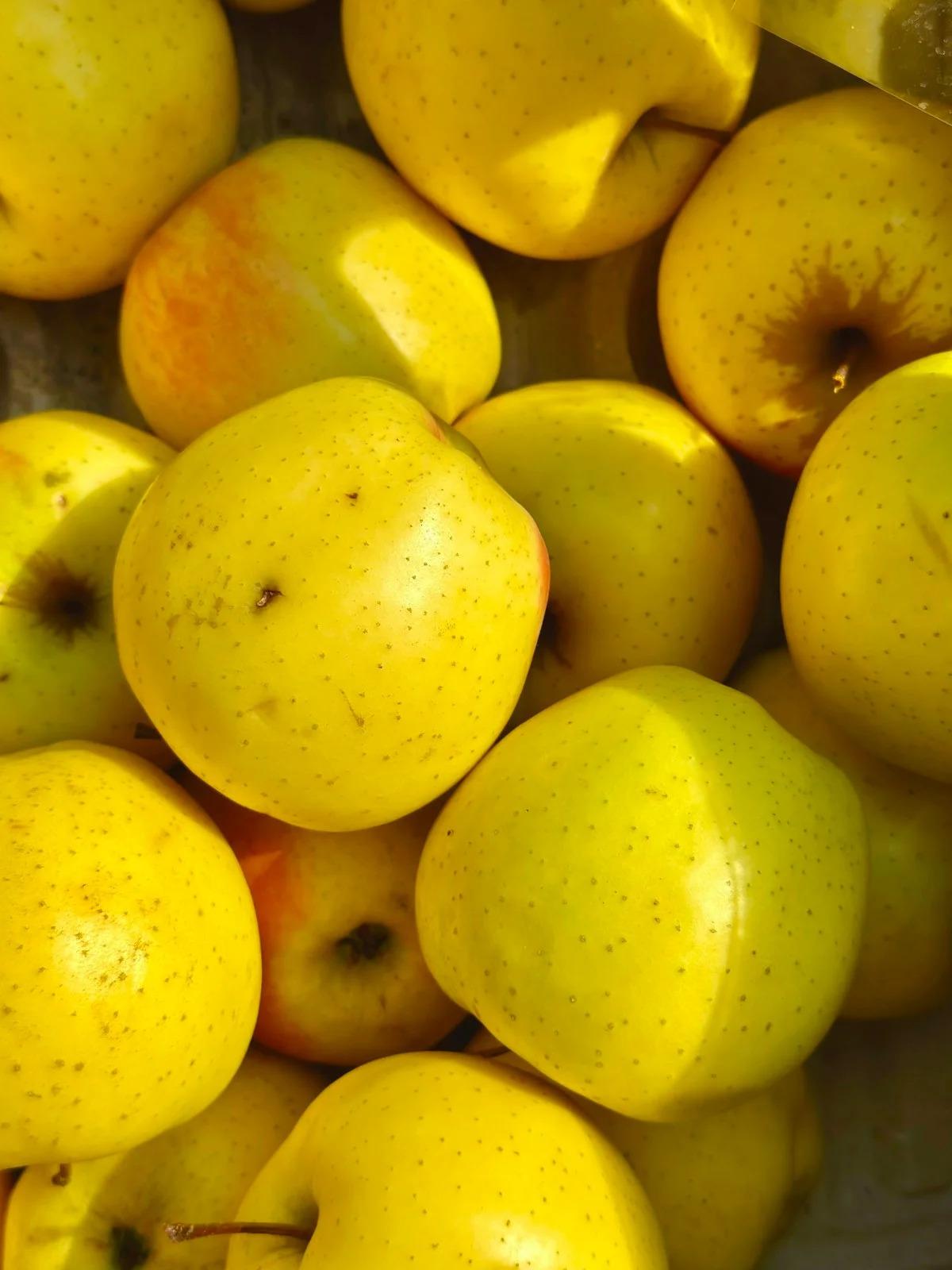
The breathtaking mountain valleys of northern India are home to an agricultural tradition that produces one of the world's most cherished fruits: the celebrated Kashmir apple. Growing across high-altitude slopes nourished by pure snowmelt rivers, these apples are famous for their deep ruby color, refreshing crunch, and delicate aromatic sweetness. Every year, as warm summer days transition into crisp autumn weather, millions of trees across districts like Shopian, Sopore, and Baramulla reach peak maturity. Understanding the full cultivation lifecycle, seasonal harvesting windows, and meticulous post-harvest care reveals why this regional treasure commands such widespread admiration across domestic and global fresh produce markets.
The Seasonal Lifecycle of Alpine Apple Orchards
The annual lifecycle of high-altitude apple orchards is a harmonious rhythm governed by mountain climate patterns and dedicated orchard stewardship.
Winter Dormancy and Branch Shaping
Throughout the cold winter months, apple trees enter a deep resting state known as dormancy. Farmers spend these frosty days pruning mature branches to optimize the natural tree canopy structure. Proper winter shaping allows sunlight to penetrate deep into the tree center during the upcoming growing months, laying the groundwork for uniform fruit color and healthy size distribution.
Spring Blossom and Natural Pollination
As temperatures warm in late spring, mountain slopes transform into stunning seas of pink and white blossoms. Honeybees and wild pollinators thrive in the clean mountain air, traveling from flower to flower to ensure strong fruit setting across every orchard block.
Summer Development and Solar Absorption
During the long daylight hours of summer, intense high-altitude sunlight stimulates photosynthesis. Trees draw up vital mineral nutrients and crystal-clear mountain water from the deep soil, building the natural sugars and firm cellular structure that define high-grade alpine fruit.
Main Cultivars and Their Unique Harvest Timelines
The extended harvest season spans several months, with different varieties reaching peak sweetness at precise times throughout the autumn calendar.
Early Season Arrivals: Royal Gala and American Trel
Beginning in late August, early cultivars like Royal Gala and American Trel kick off the harvest season. These crisp, juicy varieties satisfy early market demand for fresh fruit, offering vibrant striping and a mild, pleasant flavor profile.
Mid-Season Flagship: Kashmiri Red Delicious
Reaching full maturity in September and October, the Red Delicious stands as the iconic flagship cultivar of the valley. Known by its distinctive crown shape and deep crimson skin, it delivers a satisfying crunch and a rich, sweet juice favored by fruit lovers everywhere.
Late Season Classics: Golden Delicious and Ambri
As autumn draws to a close in late October and November, Golden Delicious and heritage Ambri apples are harvested. Golden Delicious offers a lovely honeyed sweetness, while the native Ambri variety is famous for its long shelf life and sweet floral perfume.
Sustainable Horticultural Care and Fruit Preservation
Modern agricultural techniques are combined with natural care principles to ensure every harvest achieves top-tier quality.
Pure Glacial Water Irrigation
Orchards benefit directly from natural gravity-fed irrigation channels carrying mineral-rich glacial meltwater. This pure water source nourishes the root systems naturally, maintaining soil vitality without artificial additives.
Gentle Hand-Picking Protocols
Harvesting requires immense physical care and technique. Orchard workers hand-pick each apple by gently lifting and twisting the stem, preventing skin tears and keeping the fruit's natural protective waxy coating intact.
Post-Harvest Care, Storage, and Global Packaging
Once picked, fruits undergo precise sorting and preservation routines to maintain peak orchard freshness during transit.
High-Tech Controlled Atmosphere Storage
Advanced Controlled Atmosphere (CA) facilities precisely monitor oxygen, carbon dioxide, and temperature levels. By slowing down the natural respiration rate of the apples, CA storage preserves firm texture and sweet flavor for up to twelve months.
Automated Sizing and Quality Classification
Computerized optical grading lines scan each fruit for weight, size caliber, and color saturation. This automated process separates apples into uniform commercial grades, ensuring consistency across every carton.
Cushioned Export Packaging
To protect against transit vibrations, apples are wrapped in protective mesh net socks, fitted into molded paper trays, and layered neatly inside sturdy corrugated boxes. This packaging setup keeps every shipment pristine from packaging centers to final retail shelves.
Commercial Distribution and Bulk Supply Networks
For fruit merchants, commercial grocery store owners, and international trade buyers, establishing a direct connection with regional supply hubs ensures steady stock access. Securing direct shipments through kashmir apple wholesale channels guarantees high-grade origin produce, transparent supply chains, and excellent commercial value throughout the entire sales year.
Conclusion
The journey of the Kashmir apple from high-mountain flower to global market shelf reflects centuries of agricultural wisdom and sustainable stewardship. Thanks to high-altitude sunlight, natural water resources, and state-of-the-art cold-chain logistics, these delicious fruits bring health, joy, and exceptional flavor to consumers worldwide.
Frequently Asked Questions (FAQs)
What month is the peak harvest time for Kashmir apples?
The peak harvesting window runs from September through October, when flagship varieties like Red Delicious reach full size, sweetness, and deep crimson color.
Why do apples grown in high mountain valleys taste sweeter?
The combination of intense high-altitude sunlight during the day and cold temperatures at night encourages trees to produce and retain higher concentrations of natural fruit sugars.
How does Controlled Atmosphere storage preserve fruit crunchiness?
Controlled Atmosphere storage manages temperature, humidity, and oxygen levels to put the fruit into a temporary state of dormancy, maintaining crispness and juice content for up to a year.
What packaging is used to prevent damage during transport?
Apples are individually fitted with soft protective mesh socks, arranged on molded trays, and packed inside thick corrugated cardboard cartons designed to absorb shock during long hauls.

 English
 Arabic
 French
 Portuguese
 Deutsch
 Turkish
 Dutch
 Italiano
 Russian
 Romaian
 Portuguese (Brazil)
 Greek
