


 About Urh Social
 Terms of Service
 Privacy Policy
 Contact
What Happens to Hair Follicles After a Hair Filler Treatment?
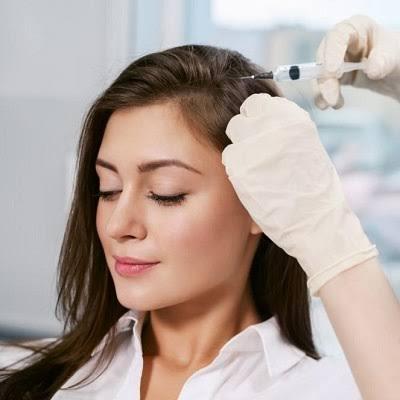
Hair thinning and excessive hair shedding can affect hair density, scalp coverage, and overall appearance. Many people explore different hair restoration options to improve the condition of their hair without immediately considering surgical procedures. hair fillers in Dubai is one option that has gained attention for its potential role in supporting scalp and follicle health.
But what actually happens to hair follicles after receiving hair fillers? Understanding how the treatment works, how the scalp responds, and what influences the results can help individuals make informed decisions before starting a treatment plan.
Understanding Hair Fillers and Their Purpose
Hair fillers are injectable treatments designed to support the scalp environment and address certain concerns associated with hair thinning. Depending on the formulation, they may contain biomimetic peptides, hyaluronic acid, or other ingredients intended to support scalp and follicular health.
Hair follicles are small structures beneath the skin responsible for producing hair. Each follicle follows a natural growth cycle consisting of three main phases:
-
Anagen Phase: The active growth stage when hair develops from the follicle.
-
Catagen Phase: A short transition period when active growth slows down.
-
Telogen Phase: The resting stage, after which the hair naturally sheds and a new growth cycle may begin.
Hair fillers are intended to support the scalp environment around these structures. However, they do not automatically reactivate inactive follicles or guarantee new hair growth.
What Happens to Hair Follicles Immediately After Treatment?
After hair filler injections, the ingredients are delivered into selected areas of the scalp using a specialised injection technique. The treatment targets the scalp tissue surrounding the hair follicles.
Some patients may experience temporary redness, mild swelling, tenderness, or small injection marks. These reactions are generally associated with the injection process rather than a direct change in hair growth.
At this stage, the follicles continue following their natural biological cycles. Hair does not become thicker immediately because the treatment does not produce instant changes in the structure of existing hair strands.
The initial response depends on the formulation, injection technique, scalp condition, and individual sensitivity.
How Can Hair Fillers Support the Scalp Environment?
The condition of the scalp plays an important role in maintaining healthy hair. Hair follicles depend on a suitable surrounding environment, including adequate blood supply, nutrients, and normal skin function.
Some hair filler formulations contain peptides developed to interact with biological pathways involved in follicular activity. Depending on the ingredients, these formulations may be designed to support processes associated with hair growth and scalp health.
Hyaluronic acid, when included, can contribute to hydration within the treated tissue. Other ingredients may have different intended functions.
However, the effects depend on the specific product and available clinical evidence. Not every hair filler contains the same ingredients, and results should not be assumed to be identical across different formulations.
Do Hair Fillers Change the Hair Growth Cycle?
Hair growth follows a natural cycle that cannot be changed overnight. Hair filler treatment is intended to support certain aspects of follicular health, but it does not guarantee that every follicle will enter the active growth phase.
For individuals experiencing hair thinning, the underlying cause matters significantly. Genetic hair loss, hormonal changes, nutritional deficiencies, stress, and certain medical conditions can influence follicular activity in different ways.
A suitable treatment approach should therefore begin with an assessment of the hair loss pattern and scalp condition.
In some cases, additional medical evaluation or alternative treatments may be more appropriate than hair fillers alone.
What Happens to Existing Hair After Hair Filler Treatment?
Existing hair strands do not immediately change after an injection session. Hair thickness, length, and texture develop gradually through the follicle's natural growth process.
Some individuals may notice changes in their overall hair appearance over time, while others may experience limited improvement. The response varies according to the cause and severity of hair thinning, treatment formulation, and individual biological factors.
It is also important to understand that hair fillers cannot repair damaged hair strands directly. Their intended target is the scalp and the tissue surrounding the follicles, rather than the visible length of the hair.
Maintaining a suitable hair care routine and addressing underlying health concerns can also contribute to better overall hair management.
How Long Does It Take to Notice Changes?
Hair growth is a gradual process, so evaluating treatment results requires patience. Immediate post-treatment changes usually relate to the scalp's response to injections rather than actual hair growth.
Depending on the treatment and individual circumstances, practitioners may recommend multiple sessions at appropriate intervals. The number of sessions and follow-up schedule should be determined through professional assessment.
Progress may be evaluated by observing:
-
Changes in visible hair density.
-
The appearance of thinning areas.
-
Hair shedding patterns.
-
Overall scalp condition.
-
Changes in hair coverage over time.
Photographs taken under consistent lighting and from similar angles can help provide a more objective comparison during follow-up appointments.
Who May Be Suitable for Hair Filler Treatment?
Hair fillers may be considered by individuals experiencing certain forms of hair thinning or reduced hair density. However, suitability depends on the underlying cause of the concern and the specific treatment formulation.
A professional assessment is particularly important for people experiencing sudden hair loss, scalp inflammation, unexplained shedding, or patchy bald areas. These symptoms may require medical investigation before any cosmetic hair treatment is considered.
People with active scalp infections or certain medical conditions may need additional evaluation. A qualified practitioner should review medical history, medications, scalp health, and treatment expectations before recommending injections.
Hair Filler Treatment at Tajmeels Clinic
At tajmeels clinic dubai, patients considering hair filler treatment in Dubai can benefit from an individualised assessment of their scalp condition and hair concerns. The consultation process may include reviewing hair thinning patterns, discussing previous treatments, and understanding possible contributing factors.
Based on the assessment, the clinic can discuss whether hair fillers are an appropriate option and explain the expected treatment process, potential benefits, limitations, and aftercare requirements.
A personalised approach is important because hair loss does not have the same cause in every individual. Understanding follicular health and setting realistic expectations helps patients make informed decisions about their hair restoration options.
Final Thoughts
Hair fillers are designed to support the scalp environment and address selected concerns related to hair thinning. After treatment, hair follicles continue their natural growth cycles, while the injected formulation is intended to support the surrounding tissue depending on its ingredients.
Visible changes, if they occur, develop gradually and vary between individuals. Understanding the cause of hair loss, choosing an appropriate treatment, and receiving professional guidance are essential steps towards making informed hair restoration decisions.
More Information
Tajmeels Clinic Dubai
WhatsApp: +971 56 203 8751
Phone: tel:+971 43739000
Social Media:

 English
 Arabic
 French
 Portuguese
 Deutsch
 Turkish
 Dutch
 Italiano
 Russian
 Romaian
 Portuguese (Brazil)
 Greek
