


 About Urh Social
 Terms of Service
 Privacy Policy
 Contact
What Should You Compare Before Choosing Rhinoplasty in Dubai?
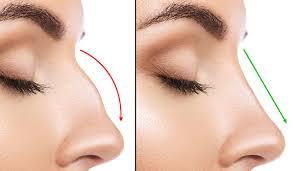
Rhinoplasty, commonly known as nose reshaping surgery, is a procedure designed to change the appearance of the nose and, in some cases, improve nasal function. People consider rhinoplasty for different reasons, including correcting a nasal hump, refining the nasal tip, improving facial proportions, or addressing structural concerns that affect breathing.
Choosing Rhinoplasty in Dubai involves more than comparing clinics or looking at attractive before-and-after photographs. Patients should understand the surgeon's qualifications, surgical approach, safety arrangements, consultation process, and expected recovery. Comparing these factors can help individuals make informed decisions and select an approach that suits their facial anatomy and personal goals.
1. Surgeon Qualifications and Surgical Experience
One of the most important factors to compare is the surgeon's professional background. Rhinoplasty requires detailed knowledge of nasal anatomy, facial proportions, cartilage, bone structure, and respiratory function.
Before choosing a surgeon, consider:
-
Relevant surgical qualifications and professional licensing.
-
Specific experience in performing rhinoplasty.
-
Familiarity with different nasal structures and concerns.
-
Ability to explain surgical limitations and potential complications.
-
Experience with both aesthetic and functional nasal procedures.
Patients should also ask whether the surgeon regularly performs procedures similar to the one they are considering. Experience with a particular surgical concern can be relevant when discussing treatment options.
2. Understanding the Surgical Techniques Available
Not every rhinoplasty procedure follows the same approach. The appropriate technique depends on the patient's nasal structure, desired changes, and surgical requirements.
Two commonly discussed approaches are open and closed rhinoplasty.
Open Rhinoplasty: This technique involves a small incision across the columella, the tissue between the nostrils. It allows the surgeon to access and examine nasal structures directly, which can be helpful for more complex reshaping.
Closed Rhinoplasty: In this approach, incisions are made inside the nostrils. It may be suitable for selected patients whose surgical requirements can be addressed through this technique.
Patients should compare the benefits and limitations of each approach rather than assuming one is universally better. The surgeon should explain why a particular technique is appropriate for the individual's anatomy.
3. Personalised Treatment Planning
A suitable rhinoplasty plan should reflect the patient's facial characteristics instead of following a standard nose shape. Facial symmetry, skin thickness, nasal width, cartilage strength, and chin projection can all influence the surgical plan.
During consultation, patients should discuss the specific changes they want to achieve. Some may prefer a more refined nasal tip, while others may want to address a prominent bridge or improve overall nasal balance.
It is also important to understand what surgery can realistically accomplish. Not every requested change is suitable for every nasal structure. A responsible treatment plan considers both aesthetic preferences and anatomical limitations.
4. Clinic Safety and Surgical Facilities
Safety should be a major consideration when comparing rhinoplasty clinics in Dubai. Patients should look beyond the clinic's appearance and understand where the procedure will take place and what medical arrangements are available.
Important factors include:
-
Appropriate healthcare facility licensing and accreditation.
-
Qualified anaesthesia professionals.
-
Sterile surgical environments.
-
Emergency response arrangements.
-
Preoperative medical assessments.
-
Postoperative monitoring and support.
Patients should ask whether the surgical facility has appropriate equipment and trained personnel to manage potential complications. Understanding these arrangements helps individuals evaluate the overall quality of care.
5. Expected Results and Before-and-After Examples
Before-and-after photographs can help patients understand a surgeon's aesthetic approach. However, photographs should be reviewed carefully because every patient's anatomy and healing response are different.
When comparing results, consider whether the examples show patients with similar nasal concerns, skin thickness, and facial proportions.
Look for results that appear balanced with the rest of the face rather than focusing only on a smaller or narrower nose. It is also useful to ask how long after surgery the photographs were taken because swelling can influence the appearance of the nose during recovery.
Remember that photographs demonstrate previous outcomes, not a guarantee of identical results.
6. Recovery Time and Postoperative Care
Recovery is another important factor to compare before choosing rhinoplasty. Patients should understand that healing happens gradually, and the nose may remain swollen for several months.
Initial recovery may involve:
-
Temporary swelling and bruising around the nose and eyes.
-
Nasal congestion or difficulty breathing through the nose.
-
Mild discomfort during the early healing period.
-
Temporary restrictions on strenuous exercise.
-
Follow-up appointments to monitor healing.
Patients should ask about expected time away from work, activity restrictions, nasal care, and follow-up arrangements. They should also understand which symptoms are expected and which require immediate medical attention.
A clinic that provides clear postoperative instructions and accessible follow-up support can make the recovery process easier to manage.
7. Potential Risks and Surgical Limitations
Like other surgical procedures, rhinoplasty involves potential risks. These may include bleeding, infection, anaesthesia-related complications, persistent swelling, scarring, changes in sensation, breathing difficulties, asymmetry, or dissatisfaction with the aesthetic outcome.
Some patients may require revision surgery if the initial results do not meet their functional or aesthetic needs.
Before proceeding, compare how clearly each surgeon explains these possibilities. Patients should have enough time to ask questions and understand the limitations of surgery. Avoid choosing a provider who promises perfect symmetry or guaranteed results.
8. Consultation Quality and Patient Communication
A detailed consultation helps establish whether the proposed treatment is appropriate. It should involve more than a brief discussion about the desired nose shape.
The surgeon should assess nasal anatomy, breathing function, medical history, previous nasal injuries, and individual expectations.
Patients should also evaluate how comfortable they feel discussing their concerns. Clear communication is essential because rhinoplasty involves decisions about both appearance and function.
Choosing Rhinoplasty at Tajmeels Clinic in Dubai
At tajmeels clinic dubai, patients considering rhinoplasty can explore an individualised approach based on their nasal structure, facial proportions, and aesthetic concerns. The consultation process should focus on understanding the patient's expectations, reviewing relevant medical history, and assessing whether the desired changes are suitable. Discussing surgical options, safety considerations, recovery requirements, and realistic outcomes helps patients make informed decisions. A personalised assessment is particularly important because nasal anatomy and treatment requirements differ from one individual to another.
Conclusion
Choosing rhinoplasty in Dubai requires careful comparison of several factors, including surgeon qualifications, surgical techniques, clinic safety, personalised planning, recovery support, and potential risks. Patients should prioritise medical expertise and realistic treatment recommendations rather than making decisions based solely on photographs or promotional claims.
A thorough consultation provides an opportunity to understand the procedure, discuss individual concerns, and evaluate whether rhinoplasty is an appropriate option. Taking time to compare these important aspects can support a safer and more informed surgical decision.
More Information
Tajmeels Clinic Dubai
WhatsApp: +971 56 203 8751
Phone: tel:+971 43739000
Social Media:

 English
 Arabic
 French
 Portuguese
 Deutsch
 Turkish
 Dutch
 Italiano
 Russian
 Romaian
 Portuguese (Brazil)
 Greek
