


 About Urh Social
 Terms of Service
 Политика конфиденциальности
 Contact
FSSAI Compliance for Food Franchise Businesses in India
The food franchise business model is popular among entrepreneurs who want to operate restaurants, cafés, bakeries or quick-service food outlets under an established brand.
However, operating under a recognised brand does not automatically remove the food safety responsibilities of an individual franchise outlet.
Every franchise business should understand the applicable Food Safety and Standards Authority of India (FSSAI) requirements before beginning operations.
What Is a Food Business Operator in a Franchise Business?
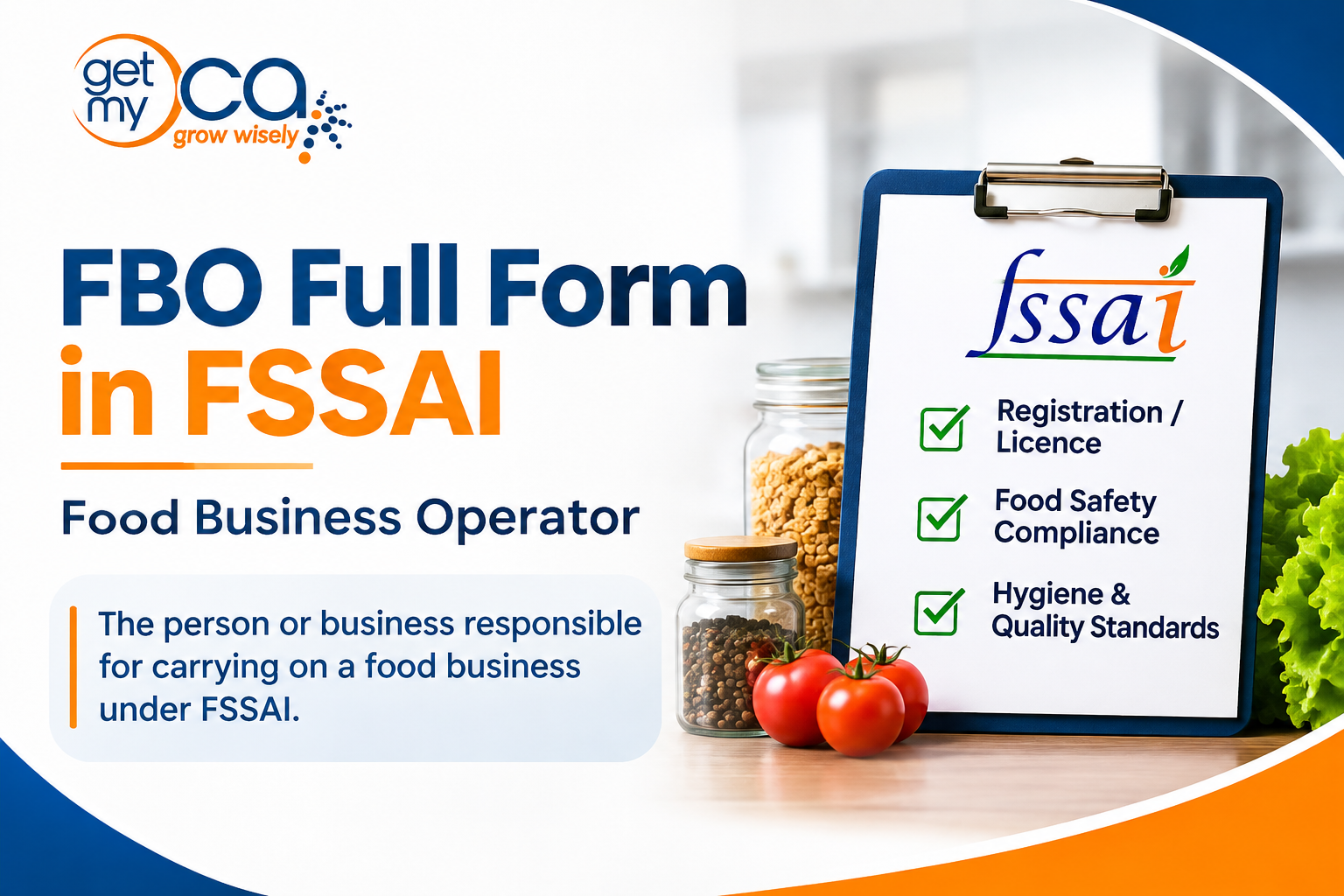
A Food Business Operator (FBO) is a person or entity responsible for carrying on a food business and ensuring compliance with applicable food safety requirements.
In a franchise arrangement, both the franchisor and franchisee may have regulatory responsibilities depending on their respective activities and operating arrangements.
For example, a franchisee operating a restaurant may be responsible for maintaining appropriate food safety practices at its outlet.
Understanding FBO full form and meaning under FSSAI helps franchise owners identify their responsibilities and distinguish them from those of the parent brand.
The applicable requirements depend on the actual food business activities carried out by each entity.
Does a Franchise Outlet Need Its Own FSSAI Licence?
A franchise outlet should assess whether it requires its own FSSAI registration or licence for the relevant premises and activities.
Holding a franchise agreement or operating under a larger brand's name does not automatically replace applicable food business registration requirements.
The appropriate registration or licence category depends on the current regulatory framework, business activity and other applicable criteria.
Businesses should review their specific situation using the official FoSCoS portal.
Where multiple outlets are operated, location-specific licensing requirements may also apply.
What Food Safety Standards Should Franchise Businesses Follow?
Food franchise operators should maintain consistent food safety procedures across their outlets.
Important practices may include:
-
Maintaining clean kitchens and food preparation areas.
-
Following appropriate food storage conditions.
-
Ensuring staff follow hygiene procedures.
-
Monitoring raw material quality.
-
Preventing cross-contamination.
-
Maintaining food preparation and service records.
-
Following applicable food labelling requirements.
-
Conducting regular operational reviews.
The exact requirements depend on the type of food business and the activities performed.
Franchise owners should ensure that their internal brand standards are consistent with applicable food safety regulations.
Why Is Documentation Important for Franchise Outlets?
Food franchise businesses should maintain accurate documents relating to their operations.
These may include FSSAI registration or licence details, premises records, supplier invoices, food safety procedures and relevant employee training documentation.
Records can help businesses respond to inspections, customer complaints and regulatory enquiries.
Franchise operators should also review whether changes in menu items, premises or operating arrangements require updates to their regulatory information.
How Can Franchise Owners Manage Business Compliance?
Food franchise owners may have additional responsibilities involving GST registration, accounting, business constitution and statutory filings.
These requirements are separate from FSSAI food safety obligations.
Professional business registration and regulatory compliance services can help entrepreneurs understand the relevant documentation and procedures for starting and managing a franchise business.
However, obtaining general business registrations does not automatically satisfy food safety licensing requirements.
Why Should Franchise Businesses Conduct Regular Compliance Reviews?
Franchise businesses often operate using standardised processes, but individual outlets can still experience operational differences.
Regular reviews help management identify documentation gaps, hygiene concerns and changes in regulatory requirements.
Both franchise owners and brand management should maintain clear responsibilities for food safety and operational compliance.
Accurate records and consistent procedures support responsible food business operations.
Conclusion
Food franchise businesses must understand their obligations under India's food safety framework.
Operating under an established brand does not automatically eliminate registration, licensing or hygiene responsibilities.
Identifying the relevant Food Business Operator, maintaining appropriate documentation and regularly reviewing compliance requirements can help franchise outlets operate more effectively.

 English
 Arabic
 French
 Spanish
 Portuguese
 Deutsch
 Turkish
 Dutch
 Italiano
 Romaian
 Portuguese (Brazil)
 Greek
