


 About Urh Social
 Terms of Service
 Πολιτική Ιδιωτικότητας
 Contact
How Is Hybrid Breast Augmentation Different From Implant-Only Surgery?
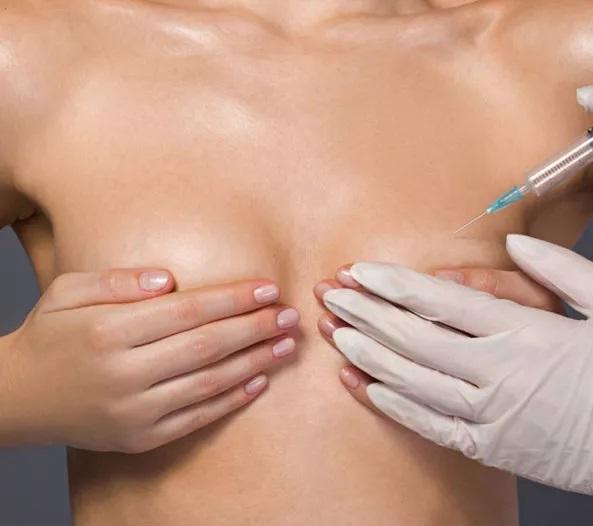
Choosing breast implants is not always enough to achieve the breast shape a woman has in mind. Some patients want more volume but also have concerns about thin breast tissue, visible implant edges, or a lack of fullness in certain areas. This is where hybrid breast augmentation may be worth considering. During Breast Enhancement Surgery in Islamabad, this approach combines breast implants with fat transfer to improve volume while allowing additional refinement of the surrounding contours.
Unlike conventional augmentation, which relies entirely on an implant, hybrid augmentation uses the patient's own fat alongside the implant. The two methods serve different purposes, and understanding how they work can help patients decide which approach better suits their anatomy and aesthetic preferences.
What Is Implant-Only Breast Augmentation?
Implant-only breast augmentation involves placing a silicone or saline implant inside the breast to increase volume and improve shape. The implant is selected according to the patient's chest width, breast base diameter, existing tissue, and desired projection.
Depending on the anatomy, the implant may be positioned above the chest muscle, partially beneath it, or using a dual-plane technique. Each placement offers different levels of tissue coverage and influences how the breast contour develops.
For patients who have limited breast volume but adequate soft-tissue coverage, implants alone may provide the desired improvement. However, some women have very little natural tissue around the upper or inner breast, making implant edges more noticeable.
Implant-only surgery increases breast volume using a single device, but its ability to refine every contour depends on the patient's existing tissue.
What Is Hybrid Breast Augmentation?
Hybrid breast augmentation combines an implant with autologous fat transfer, meaning fat is taken from the patient's own body and transferred into selected areas of the breasts.
The implant provides the main increase in breast volume. The transferred fat is used for additional contouring, helping soften certain transitions or improve fullness in areas where an implant alone may not create the preferred appearance.
Fat is usually collected through liposuction from areas such as the abdomen, waist, thighs, or flanks. It is then processed and carefully injected into selected breast tissue layers.
The amount of fat that survives after transfer varies between patients. Some of the transferred fat is naturally reabsorbed, so the initial volume should not be considered the permanent final result.
Hybrid augmentation combines the predictable volume contribution of an implant with the contouring potential of the patient's own fat.
What Is the Main Difference Between Hybrid and Implant-Only Surgery?
The biggest difference is how the final breast shape is created. Implant-only augmentation relies on the implant's dimensions, placement, and the patient's natural tissue coverage.
Hybrid augmentation adds another layer of customisation. The surgeon can use the implant to establish the overall volume and then distribute fat around selected areas to improve the transition between the implant and existing breast tissue.
For example, a patient may have adequate lower breast fullness but relatively thin tissue near the upper chest. An implant can provide the main enlargement, while fat transfer may be considered to soften the upper contour.
The hybrid approach offers additional contouring options, but it also involves a more complex procedure than implant-only augmentation.
Who May Benefit From Hybrid Breast Augmentation?
Hybrid augmentation is not necessary for every woman seeking breast enlargement. It is generally considered when an implant alone may not address all the patient's concerns.
During Breast Enhancement Surgery in Islamabad, surgeons may discuss this approach with patients who have:
-
Thin breast tissue: Fat transfer may help improve soft-tissue coverage in selected areas.
-
Visible implant edges: Additional fat may soften the transition between the implant and surrounding tissue.
-
Upper-pole irregularities: Fat grafting may help refine fullness around the upper breast.
-
Natural breast asymmetry: Selected volume differences may be improved through individually planned implant and fat adjustments.
-
Contour irregularities: Fat transfer may help smooth minor depressions or uneven areas around the breast.
-
Desire for additional refinement: Patients who want implant-based volume but prefer a softer contour may be suitable candidates.
These are potential indications rather than guaranteed benefits. The decision depends on whether there is enough suitable donor fat and whether the breast anatomy can accommodate both treatments safely.
How Does Fat Transfer Improve Breast Contours?
Fat transfer allows the surgeon to make relatively small adjustments in specific areas instead of relying entirely on the shape of the implant. It can be useful for addressing shallow depressions, uneven transitions, or areas where natural tissue coverage is limited.
The process begins with liposuction to collect fat from a suitable donor area. The collected fat is processed to separate the usable fat cells from excess fluid and other unwanted material.
The prepared fat is then injected in small amounts into carefully selected areas of the breast. This controlled placement helps support the survival of the transferred fat and avoids concentrating an excessive amount in one location.
However, transferred fat does not have a guaranteed survival rate. Some volume is usually lost during healing, and additional sessions may occasionally be needed.
Fat grafting is primarily a contouring technique in hybrid augmentation, not a reliable substitute for a large implant-based increase in breast size.
Can Hybrid Augmentation Create a More Natural Appearance?
It can provide a more customised contour for selected patients, particularly when thin tissue coverage makes an implant's outline noticeable.
Fat transfer may help soften the upper breast, improve the appearance of certain implant edges, and refine local differences between the breasts. Because the transferred material comes from the patient's own body, it can integrate with the surrounding tissues when it survives.
However, natural-looking results are not exclusive to hybrid augmentation. Implant-only surgery can also produce excellent results when implant dimensions and placement suit the patient's anatomy.
A natural appearance depends on appropriate implant selection, tissue coverage, and surgical technique rather than choosing hybrid augmentation automatically.
What Are the Differences in Recovery?
Implant-only augmentation involves recovery from the breast operation and implant placement. Patients commonly experience swelling, tightness, and temporary discomfort, particularly when the implant is placed beneath or partially beneath the chest muscle.
Hybrid augmentation involves an additional recovery area because fat must also be collected through liposuction. Patients may therefore experience bruising, swelling, and tenderness around the abdomen, thighs, waist, or whichever donor areas were used.
The breasts also need time for swelling to settle and transferred fat to stabilise. Strenuous exercise and pressure on the treated areas should be avoided according to the surgeon's instructions.
Hybrid augmentation may involve a broader recovery process because both the breast and donor areas require healing.
What Are the Possible Risks and Limitations?
Both approaches carry the usual risks of breast implant surgery, including infection, bleeding, capsular contracture, implant displacement, changes in sensation, and the possibility of future revision surgery.
Hybrid augmentation has additional considerations related to fat harvesting and grafting. These may include uneven fat survival, oil cysts, fat necrosis, calcifications, contour irregularities, and infection.
Fat transfer can also affect the breast's appearance on imaging. Patients should inform their radiologist about previous augmentation and fat grafting so that any findings can be interpreted appropriately.
Neither method eliminates the need for long-term monitoring. Breast implants are not lifetime devices, and patients should understand the possibility of future implant-related procedures.
The extra contouring benefits of hybrid surgery must be balanced against the additional procedure, recovery, and potential complications.
What Should Be Discussed Before Breast Enhancement Surgery in Islamabad?
The consultation should begin with an examination of breast tissue, chest dimensions, skin quality, and the patient's preferred outcome. The surgeon should also assess possible donor fat availability if hybrid augmentation is being considered.
Patients should discuss the expected implant volume, the areas where fat transfer may help, the limitations of fat survival, and whether more than one session could be needed. Previous breast procedures, medical history, smoking habits, and future pregnancy plans are also relevant.
It is equally important to understand the surgeon's qualifications, the surgical facility, implant options, and long-term follow-up arrangements.
An informed decision means understanding both the advantages and the limitations of each approach before choosing surgery.
Final Thoughts
Hybrid breast augmentation differs from implant-only surgery by combining an implant with the patient's own transferred fat. The implant provides the main volume, while fat grafting may help refine breast contours and improve selected areas of tissue coverage. Implant-only augmentation remains a suitable option for many patients, so the choice depends on anatomy, donor fat availability, and aesthetic goals.
For women considering Breast Enhancement Surgery in Islamabad, Dynamic Aesthetic Clinic offers personalised consultations focused on breast anatomy, implant selection, and individual enhancement goals. Its expertise, board-certified surgeons, and advanced surgical techniques help patients explore suitable options with careful attention to natural contours, tissue coverage, and surgical safety.

 English
 Arabic
 French
 Spanish
 Portuguese
 Deutsch
 Turkish
 Dutch
 Italiano
 Russian
 Romaian
 Portuguese (Brazil)
