


 About Urh Social
 Terms of Service
 Privacy Policy
 Contact
Laser Vaginal Tightening in Dubai for Urinary Leakage
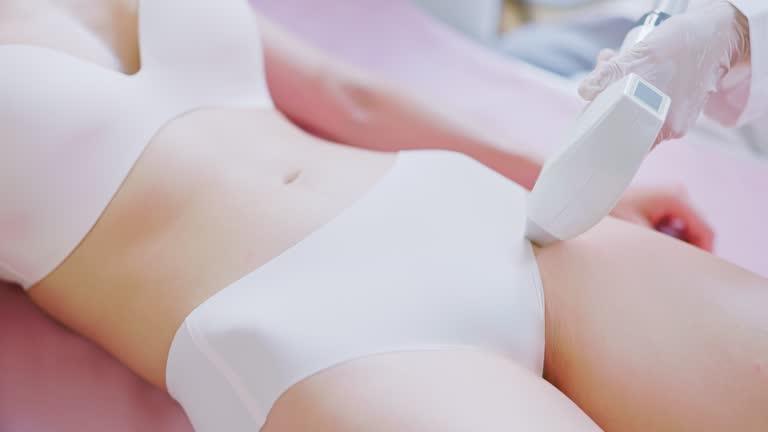
Laser Vaginal Tightening in Dubai is sometimes promoted for women who experience mild urinary leakage, particularly when it occurs during coughing, sneezing, laughing, or exercise. This type of leakage is known as stress urinary incontinence. Although energy-based vaginal procedures have been marketed for urinary symptoms, current evidence does not establish vaginal laser treatment as a reliable standard therapy for stress urinary incontinence. A proper assessment is important before choosing any treatment.
Urinary leakage can affect confidence, exercise habits, and everyday comfort. It is also a common medical concern that can often be evaluated through established care pathways. Understanding the difference between stress incontinence and other bladder symptoms helps patients discuss appropriate options with a healthcare professional.
What Is Stress Urinary Incontinence?
Stress urinary incontinence occurs when urine escapes during activities that increase pressure inside the abdomen. The pelvic floor muscles and supporting tissues help maintain bladder and urethral control. If these structures do not provide sufficient support, leakage may occur.
Common triggers include:
-
Coughing or sneezing.
-
Laughing.
-
Running or jumping.
-
Lifting heavy objects.
-
Other physical activities that increase abdominal pressure.
The amount of leakage can range from occasional drops to more noticeable episodes.
How It Differs from Other Types of Incontinence
Stress incontinence is different from urge incontinence, which involves a sudden and difficult-to-control need to urinate. Some women experience mixed incontinence, where both types occur.
Identifying the pattern matters because treatment depends on the underlying problem. A laser procedure should not be selected simply because a patient reports urinary leakage.
Why Women Explore Laser-Based Options
Some marketing materials suggest that vaginal laser energy may influence tissue characteristics or provide additional support around the vaginal area. These proposed effects have led to interest in energy-based treatments for urinary symptoms.
However, a theoretical tissue response does not establish that a procedure improves bladder control. The clinical evidence for vaginal laser treatment in stress urinary incontinence remains insufficient to support it as a routine treatment.
How Stress Incontinence Is Assessed
A healthcare professional may ask when leakage occurs, how often it happens, and whether it is associated with urgency, pain, or other urinary symptoms.
Assessment may include:
-
Medical and childbirth history.
-
Review of medications and relevant health conditions.
-
Discussion of fluid intake and bladder habits.
-
Physical examination when appropriate.
-
Urine testing if infection or another condition is suspected.
-
Additional investigations when clinically indicated.
The purpose is to understand the type and possible cause of leakage before recommending care.
Established Treatment Options to Discuss
Women with mild stress urinary incontinence may benefit from conservative approaches. Treatment should be tailored to symptom severity, medical history, and personal preferences.
Supervised Pelvic Floor Muscle Training
Pelvic floor muscle training is commonly recommended as an initial treatment for stress urinary incontinence. A trained physiotherapist can help patients identify and correctly activate the relevant muscles.
A structured programme is more useful than simply performing exercises without guidance, particularly when a patient is unsure whether she is using the correct muscles.
Lifestyle and Bladder Management
Depending on individual circumstances, a clinician may discuss weight management, constipation management, smoking cessation, or changes to activities that trigger leakage. These measures may form part of a broader treatment plan.
Other Medical Options
If conservative care is not sufficient, a specialist can explain additional treatments, including devices or surgical options where appropriate. The benefits, risks, and recovery requirements should be discussed individually.
What Patients Should Know About Laser Claims
Before considering Laser Vaginal Tightening in Dubai for urinary leakage, patients should ask whether the exact device is authorised for that intended use and whether high-quality studies support the proposed benefit.
The 2025 AUA/SUFU/AUGS guideline on genitourinary syndrome of menopause also notes that evidence does not support CO2 laser, erbium laser, or radiofrequency as treatments for several menopause-related genitourinary symptoms. This is an important reminder that energy-based technologies should not be assumed to treat urinary or vaginal symptoms simply because they are marketed for intimate wellness.
When Urinary Leakage Needs Further Investigation
Medical review is particularly important when leakage is new, worsening, or accompanied by other symptoms.
Seek professional advice if urinary problems occur with:
-
Pain or burning during urination.
-
Blood in the urine.
-
Recurrent urinary infections.
-
Difficulty emptying the bladder.
-
Pelvic pain.
-
Sudden changes in bladder control.
These symptoms may require investigation beyond a routine incontinence assessment.
Clinic Note
Mild stress urinary incontinence should be evaluated according to its cause and severity. Although Laser Vaginal Tightening in Dubai may be advertised for urinary leakage, it is not an established first-line treatment. Supervised pelvic floor muscle training and other evidence-based options should be discussed before considering an energy-based procedure.
Frequently Asked Questions
Can laser vaginal treatment stop urine leakage?
Its effectiveness for stress urinary incontinence has not been established sufficiently to recommend it as a routine treatment.
What causes leakage when coughing or sneezing?
These actions increase abdominal pressure. If the structures supporting the bladder and urethra do not provide adequate control, urine may escape.
Are pelvic floor exercises helpful?
Supervised pelvic floor muscle training is a commonly recommended conservative approach for stress urinary incontinence.
Is stress incontinence the same as an overactive bladder?
No. Stress incontinence involves leakage during physical pressure, while an overactive bladder commonly involves urgency and frequent urination.
Should I see a specialist before considering a procedure?
Yes. A clinician can identify the type of incontinence, investigate possible causes, and explain established treatment options.
Explore Appropriate Intimate Health Care at Tajmeels Clinic
Women experiencing urinary leakage should receive a medical assessment before choosing an intimate wellness procedure. Tajmeels Clinic in Dubai can be contacted to discuss consultation arrangements and available care options.
An informed discussion should cover the cause of symptoms, evidence for any proposed treatment, and alternatives that may offer more established benefits. The priority should be improving health and daily comfort through appropriate care.

 English
 Arabic
 French
 Spanish
 Portuguese
 Deutsch
 Dutch
 Italiano
 Russian
 Romaian
 Portuguese (Brazil)
 Greek
