


 About Urh Social
 Terms of Service
 Политика конфиденциальности
 Contact
Facelift Surgery vs. Dermal Fillers: Which Option Is Better?
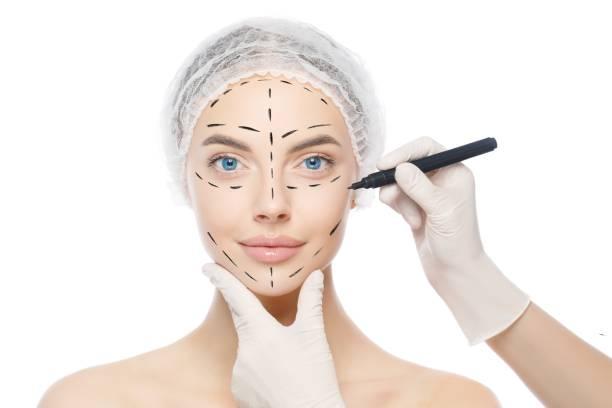
Facial aging can lead to several visible changes, including loose skin, sagging cheeks, deeper folds, and loss of facial volume. People exploring cosmetic treatments often compare surgical procedures with non-surgical options to understand which approach may better address their concerns. Facelift surgery and dermal fillers can both improve aspects of facial appearance, but they work differently and are suitable for different needs. When considering Facelift surgery in Riyadh (شد الوجه في الرياض), understanding the differences between these treatments can help patients choose an option based on their facial anatomy, desired results, and expectations.
What Is Facelift Surgery?
A facelift is a surgical procedure designed to improve visible signs of facial aging, particularly sagging around the cheeks, jawline, and lower face. It involves repositioning underlying tissues and adjusting excess skin to create smoother facial contours.
Depending on the surgical technique, the procedure may address:
-
Loose skin around the lower cheeks.
-
Prominent jowls along the jawline.
-
Deeper folds associated with tissue descent.
-
Reduced definition around the lower face.
-
Selected signs of aging involving the midface.
Different techniques are available, including mini facelifts, traditional facelifts, and deep plane facelifts. The appropriate approach depends on the degree of sagging, facial structure, and individual treatment goals.
What Are Dermal Fillers?
Dermal fillers are injectable treatments used to restore or add volume to selected areas of the face. Many fillers contain hyaluronic acid, a substance that naturally occurs in the body and helps maintain skin hydration and volume.
Fillers may be used to improve:
-
Loss of volume in the cheeks.
-
Certain facial folds and lines.
-
Reduced fullness around the lips.
-
Selected changes in facial contours.
-
Volume-related hollowness in specific areas.
Unlike facelift surgery, dermal fillers do not reposition deeper facial tissues or remove excess skin. Their primary purpose is to improve volume and selected contour concerns.
Facelift Surgery vs. Dermal Fillers: Key Differences
Although both treatments can support facial rejuvenation, their methods, treatment goals, and results are different.
Treatment Approach
Facelift surgery addresses structural changes associated with facial sagging. The surgeon repositions underlying tissues and adjusts excess skin to improve facial contours.
Dermal fillers add volume beneath the skin. They may soften certain folds or improve facial balance when volume loss is a major concern.
Suitable Aging Concerns
A facelift may be more appropriate for patients with noticeable loose skin, sagging cheeks, and prominent jowls. Fillers may be suitable for individuals experiencing volume loss, mild facial hollowness, or selected folds without significant skin laxity.
Treatment Duration
A facelift is performed as a surgical procedure, with results that can remain noticeable for several years as the face continues to age naturally.
Dermal filler results are temporary. Their duration depends on the filler product, injection area, individual metabolism, and other factors. Maintenance treatments may be needed to preserve the effect.
Recovery Time
Facelift surgery involves a recovery period during which swelling, bruising, and tightness may occur. Patients need to follow postoperative instructions and attend follow-up appointments.
Dermal filler treatments generally involve less downtime. Temporary swelling, redness, tenderness, or bruising may occur around injection sites, but many patients return to normal activities relatively quickly.
Results and Limitations
A facelift can provide more comprehensive improvement in facial sagging because it addresses underlying tissue position. However, it does not restore all lost facial volume or remove every wrinkle.
Fillers can improve selected volume-related concerns but cannot reproduce the lifting effect of surgery when significant tissue descent is present.
When Is Facelift Surgery a Better Option?
A facelift may be considered when the primary concern involves loose skin and deeper structural changes rather than volume loss alone.
Patients may discuss surgical treatment when they experience:
-
Noticeable sagging around the cheeks.
-
Moderate to significant jowls.
-
Loose skin affecting the jawline.
-
Deeper folds associated with tissue descent.
-
Changes that cannot be adequately addressed with injectable treatments.
A professional assessment is important because not every patient with facial aging requires surgery. The surgeon should explain the expected benefits, limitations, and risks before recommending a procedure.
When Are Dermal Fillers a Better Option?
Dermal fillers may be appropriate when a patient wants to address volume loss or improve selected facial contours without undergoing surgery.
They may be considered for:
-
Mild cheek volume loss.
-
Certain lines and folds.
-
Facial asymmetry involving volume differences.
-
Selected areas of hollowness.
-
Subtle contour enhancement.
However, fillers are not suitable for every facial concern. Excessive or poorly placed filler can create an unnatural appearance, and rare but serious complications can occur. Inadvertent injection into a blood vessel may cause tissue damage and, in some cases, vision complications. Treatment should only be performed by a qualified medical professional familiar with facial anatomy and complication management.
Can Facelift Surgery and Dermal Fillers Be Combined?
In selected cases, facelift surgery and dermal fillers may be used as complementary treatments. A facelift can address sagging tissues, while fillers may help restore volume in areas where age-related volume loss remains noticeable.
However, combining treatments is not necessary for everyone. The timing and suitability of injectable treatments should be determined by the treating surgeon, particularly during surgical recovery.
The goal should be balanced facial rejuvenation rather than treating every visible line or contour change with multiple procedures.
What Factors Should You Consider Before Choosing?
Choosing between surgery and fillers requires an assessment of the concerns you want to improve. Important factors include:
-
Degree of skin laxity: Significant loose skin may require a surgical approach.
-
Volume loss: Fillers may help when reduced facial fullness is the main concern.
-
Desired results: Consider whether you want structural lifting or targeted volume enhancement.
-
Medical suitability: Health history and individual risk factors influence treatment choices.
-
Recovery preferences: Surgery requires more recovery time than injectable treatments.
-
Long-term expectations: Facelift results and filler effects have different durations and maintenance requirements.
A consultation helps determine which treatment is appropriate and whether a combination may offer a suitable approach.
Are There Risks Associated With Both Treatments?
Both procedures carry potential risks. Facelift surgery may involve bleeding, infection, scarring, changes in sensation, nerve injury, wound-healing problems, and anesthesia-related complications.
Dermal fillers may cause swelling, bruising, tenderness, lumps, or asymmetry. Rare complications include vascular blockage, tissue injury, and vision loss. Patients should understand these possibilities before treatment and seek urgent medical attention if they experience unusual pain, skin discoloration, or visual symptoms after an injection.
Find the Right Facial Rejuvenation Treatment at Royal Clinic Saudia
The choice between surgery and injectable treatments depends on whether facial aging is primarily caused by sagging tissues, volume loss, or a combination of both. If you are exploring Facelift surgery in Riyadh, a professional consultation can help you understand whether a facelift, dermal fillers, or another approach may suit your needs. At Royal Clinic Saudia (عيادات رويال كلينك), patients can discuss their aesthetic concerns, review available treatment options, and learn about potential outcomes and recovery. An individualized assessment can help you make an informed decision about Facelift surgery in Riyadh while maintaining realistic expectations.

 English
 Arabic
 French
 Spanish
 Portuguese
 Deutsch
 Turkish
 Dutch
 Italiano
 Romaian
 Portuguese (Brazil)
 Greek
