


 About Urh Social
 Terms of Service
 Privacy Policy
 Contact
Experience Japan's Spiritual Heritage with a Koyasan Temple Stay
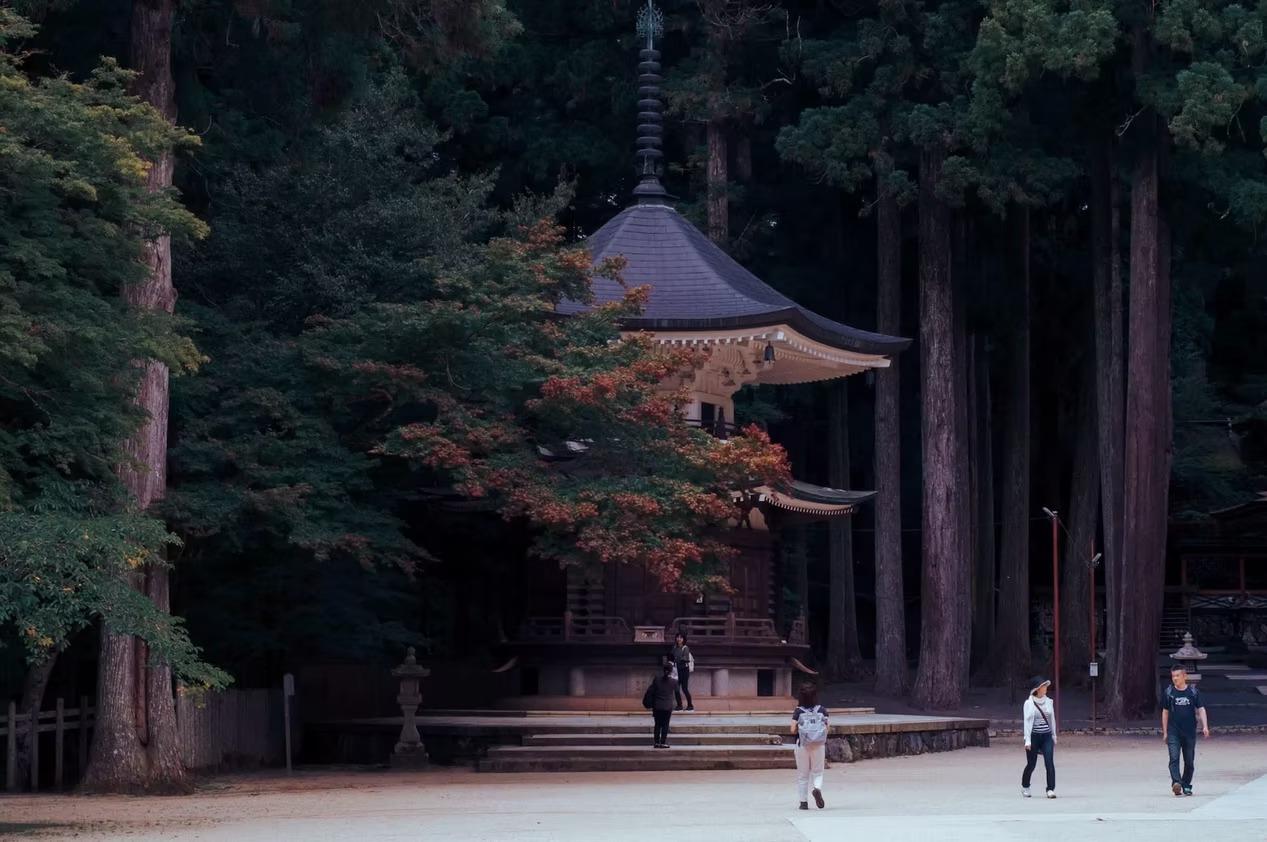
Japan offers many opportunities to discover its cultural and spiritual traditions, but few destinations provide an experience as peaceful and meaningful as Mount Koya. Located in Wakayama Prefecture, Koyasan is a historic Buddhist center surrounded by forested mountains, ancient temples, and quiet walking paths. A Koyasan temple stay tour allows travelers to step away from busy cities and experience a traditional side of Japan through temple accommodation, Buddhist customs, and the calm atmosphere of this sacred destination.
Whether you are interested in Japanese history, religious traditions, or simply looking for a relaxing travel experience, an overnight stay in Koyasan can become a memorable part of your journey.
Discover the History of Mount Koya
Mount Koya, commonly known as Koyasan, is one of Japan's most important centers of Shingon Buddhism. Its history dates back to the ninth century, when the Buddhist monk Kukai, also known as Kobo Daishi, established a religious community in the mountains.
Over time, the area developed into a major center for Buddhist learning and practice. Temples, religious halls, and traditional accommodation facilities became part of the landscape, attracting monks, pilgrims, and visitors from across Japan.
Today, Koyasan continues to preserve its spiritual character while welcoming travelers who want to understand its history and traditions.
Walking through the temple areas offers a chance to appreciate the connection between Japanese Buddhism, architecture, and the natural environment.
Stay Overnight in a Traditional Temple
One of the most distinctive parts of visiting Koyasan is staying at a shukubo, a traditional temple lodging.
Unlike a standard hotel, temple accommodation offers an opportunity to experience the peaceful atmosphere of a Buddhist community. Rooms often feature traditional Japanese interiors, tatami flooring, and simple furnishings.
The experience encourages visitors to slow down and appreciate a different style of hospitality. Depending on the temple, guests may also have access to traditional gardens, communal facilities, and spaces for quiet reflection.
A temple stay is not simply about finding somewhere to sleep. It provides a closer look at Japanese religious customs and the traditional lifestyle associated with Buddhist temples.
Experience Traditional Buddhist Cuisine
Food is an important part of the temple stay experience. Many temple lodgings serve shojin ryori, a traditional style of Buddhist vegetarian cuisine.
These meals are prepared without meat or fish and often feature seasonal vegetables, tofu, mushrooms, rice, and carefully selected local ingredients.
The dishes are usually presented with attention to balance, appearance, and simplicity. Different flavors and textures are combined to create a satisfying meal without relying on meat-based ingredients.
For international visitors, trying shojin ryori can be a memorable cultural experience. It also provides an opportunity to discover how Japanese food traditions are connected to Buddhist principles and mindful living.
Visit the Sacred Okunoin Cemetery
Okunoin is one of the most significant spiritual sites in Koyasan. This extensive cemetery is surrounded by tall cedar trees and contains thousands of monuments, memorials, and tombstones.
A walk through its forest paths creates a peaceful atmosphere that feels very different from Japan's busy tourist destinations.
The route leads toward the mausoleum of Kobo Daishi, which remains an important place of pilgrimage. Visitors can observe the traditional architecture, stone lanterns, and memorial structures along the way.
The natural surroundings are particularly impressive. Tall trees create a shaded environment, while the quiet paths encourage visitors to explore at a relaxed pace.
Okunoin is especially beautiful in the early morning and late afternoon, when the changing light adds to the atmosphere.
Explore Kongobuji Temple
Kongobuji Temple is another important destination during a visit to Koyasan. It serves as the head temple of Shingon Buddhism and has a significant role in the area's religious history.
Visitors can explore its traditional architecture, carefully designed interiors, and beautiful gardens.
One of its most notable features is Banryutei, a large rock garden designed to represent a pair of dragons emerging from clouds. The arrangement of stones and gravel creates a striking visual effect while reflecting traditional Japanese garden design.
Kongobuji offers an opportunity to learn more about Buddhist traditions and appreciate the artistic details found in important Japanese temples.
Discover the Spiritual Center of Danjo Garan
Danjo Garan is one of the central religious complexes of Koyasan. It contains several important buildings, pagodas, and halls associated with the development of Shingon Buddhism.
The most recognizable structure is the Konpon Daito, a striking vermilion pagoda that stands out against the surrounding greenery.
Visitors can walk through the complex, admire its architecture, and explore the religious buildings that form an important part of Koyasan's heritage.
The atmosphere is peaceful, making it an excellent place to spend time appreciating the history and design of the temple grounds.
Participate in Morning Buddhist Prayers
Some temple lodgings allow guests to observe or participate in morning Buddhist ceremonies.
These early services can include chanting, prayers, and other traditional practices performed by monks. The experience offers visitors a glimpse into the daily routines of temple life.
Participation arrangements vary between temples, so it is important to check what is available when booking accommodation.
Even for travelers who are not familiar with Buddhism, observing a ceremony can be a meaningful cultural experience. It provides an opportunity to appreciate the discipline, atmosphere, and traditions that have been maintained for generations.
Why Choose an Overnight Temple Experience?
A day trip to Koyasan can introduce visitors to its major attractions, but staying overnight offers a more complete experience.
An overnight visit allows travelers to explore the area without rushing between locations. It also provides an opportunity to enjoy the quiet atmosphere after many day visitors have departed.
Some benefits of an overnight temple stay include:
-
Cultural discovery: Learn about Japanese Buddhist traditions and temple life.
-
Traditional accommodation: Experience a different style of Japanese hospitality.
-
Local vegetarian cuisine: Enjoy meals prepared according to Buddhist food traditions.
-
A peaceful environment: Spend time away from crowded cities and busy schedules.
-
Flexible sightseeing: Explore temples and historical sites at a comfortable pace.
-
Morning ceremonies: Depending on the accommodation, observe traditional Buddhist practices.
For couples, solo travelers, and visitors interested in cultural tourism, this experience can offer something different from a conventional hotel stay.
The Best Time to Visit Koyasan
Koyasan has a distinctive atmosphere in every season, making it an appealing destination throughout the year.
Spring: Fresh greenery and seasonal flowers bring a gentle atmosphere to the temple grounds. Temperatures are generally comfortable for walking.
Summer: The surrounding forests provide a refreshing setting, although visitors should prepare for humidity and occasional rain.
Autumn: Colorful leaves transform the mountain scenery, making this one of the most attractive seasons for photography and sightseeing.
Winter: Snow can cover the temples and forest paths, creating a peaceful landscape. Temperatures can be very cold, so warm clothing and weather preparation are essential.
Each season offers a different perspective on Koyasan, so the best time depends on the type of experience you prefer.
Practical Tips for Your Temple Stay
A little preparation can help make an overnight visit more comfortable.
-
Book accommodation early: Temple lodgings can have limited availability, particularly during popular travel seasons.
-
Respect temple customs: Follow instructions from the staff and behave respectfully in religious areas.
-
Pack suitable clothing: Mountain temperatures can be cooler than those in nearby cities.
-
Wear comfortable shoes: Exploring the temple grounds and Okunoin involves considerable walking.
-
Check meal arrangements: Confirm dining times and any dietary requirements before arrival.
-
Keep noise to a minimum: Temple accommodation is generally designed to provide a quiet environment.
-
Plan your transportation: Check the available routes and travel connections before leaving for the mountain.
These simple steps can help you enjoy the experience while respecting the traditions of the local community.
Enjoy a More Meaningful Journey Through Japan
Koyasan offers a rare opportunity to experience Japan through its spiritual heritage, traditional accommodation, and peaceful mountain surroundings. From the forest paths of Okunoin to the historic halls of Kongobuji and the impressive structures of Danjo Garan, every part of the destination reveals something about the country's Buddhist traditions.
An overnight temple stay makes the visit even more special by allowing travelers to experience traditional hospitality, vegetarian cuisine, and the quiet rhythm of temple life.
For anyone looking to discover a different side of Japan, Koyasan is a rewarding destination that combines cultural learning with a peaceful escape from everyday travel routines.

 English
 Arabic
 French
 Spanish
 Portuguese
 Deutsch
 Turkish
 Dutch
 Russian
 Romaian
 Portuguese (Brazil)
 Greek
