


 About Urh Social
 Terms of Service
 Politique de confidentialité
 Contact
Step-by-Step Laser Spider Veins Treatment in Dubai
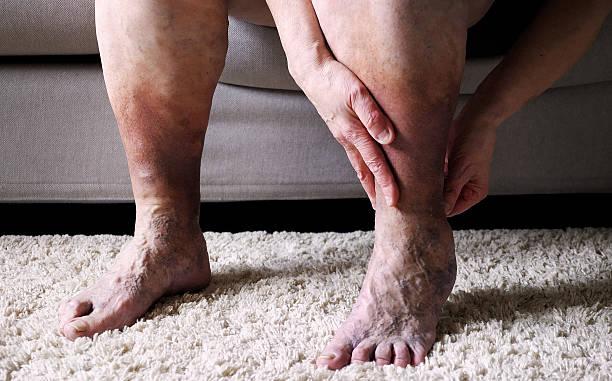
Laser Spider Veins Treatment in Dubai follows a structured process designed to identify suitable vessels, select appropriate laser settings, and monitor the skin's response. Although the procedure is performed externally, careful preparation and clinical assessment remain important for patient safety.
Each stage serves a different purpose, from confirming the treatment target to providing aftercare guidance. The exact process may vary according to the laser system, treatment location, and patient's vascular characteristics.
Step 1: Identifying the Visible Vessels
The first stage involves examining the areas where spider veins are visible. The specialist considers their colour, distribution, size, and depth.
Why Vessel Identification Matters
Fine red vessels may behave differently from deeper blue or purple vessels. The location also influences treatment selection because facial skin and leg skin have different anatomical features.
The professional determines whether the visible vessels are appropriate for laser treatment or whether another option should be considered.
Step 2: Reviewing Medical History and Symptoms
Before treatment, the specialist reviews information that could affect suitability.
Details That May Be Discussed
-
Previous vein procedures.
-
Current medications and supplements.
-
Allergies and relevant medical conditions.
-
History of blood clots.
-
Pregnancy or recent pregnancy where relevant.
-
Persistent leg discomfort or swelling.
-
Previous reactions to laser treatment.
Patients should mention any recent changes in their health or skin condition.
Step 3: Determining Whether Further Vascular Assessment Is Needed
Some patients have visible spider veins alongside symptoms that may suggest a deeper circulation problem.
When Additional Investigation May Be Appropriate
Duplex ultrasound may be recommended when there is concern about venous reflux, larger varicose veins, or unexplained leg symptoms.
This investigation helps assess blood flow and the function of the veins. It can inform whether cosmetic treatment should proceed or whether an underlying condition needs attention first.
Step 4: Selecting the Laser Technology
Once the target vessels have been assessed, the professional chooses an appropriate treatment approach.
Factors Used to Select Laser Settings
| Setting or Characteristic | Role in Treatment |
|---|---|
| Wavelength | Influences absorption and penetration |
| Pulse duration | Controls how energy is delivered |
| Energy level | Determines the intensity of the treatment effect |
| Spot size | Influences coverage and depth |
| Cooling method | Helps manage surface heating and comfort |
The selection should account for both the target vessels and the surrounding skin.
Step 5: Preparing the Skin and Providing Protection
Before the laser is applied, the treatment area is prepared according to the procedure.
The skin may be cleaned, and protective eyewear is provided when required. The professional checks the treatment area for irritation, recent tanning, or other changes that could affect the procedure.
Why Eye Protection Is Important
Laser equipment can produce light that may injure the eyes. Appropriate protective eyewear is essential for the patient and clinical staff during treatment.
Step 6: Applying Laser Pulses to the Target Vessels
The specialist directs controlled laser pulses toward selected vessels.
What Happens During Energy Delivery?
The light is absorbed by blood-related chromophores, including haemoglobin. The absorbed energy produces heat within the targeted vessel, creating a controlled response that may lead to vessel closure.
Patients may experience brief warmth, stinging, or snapping sensations. Cooling may be used to improve comfort.
The number of pulses and the treatment duration depend on the size and distribution of the affected area.
Step 7: Checking the Immediate Skin Response
After the laser application, the professional examines the treated area.
Temporary redness, mild swelling, tenderness, or colour changes may occur. The immediate appearance does not determine the final result, which may become clearer over time.
The specialist should explain which reactions are expected and which require medical review.
Step 8: Following the Recommended Aftercare Plan
Aftercare instructions depend on the procedure and the treated area.
General Recovery Considerations
-
Avoid rubbing or scratching the treated skin.
-
Follow the recommended cleansing routine.
-
Use sun protection when the skin is ready.
-
Avoid unapproved active skincare products.
-
Follow advice about exercise and heat exposure.
-
Attend recommended follow-up appointments.
Compression garments may be advised in selected circumstances, but they are not automatically necessary after every laser procedure.
Step 9: Reviewing Progress and Considering Further Treatment
The specialist may schedule a follow-up to assess the response and decide whether further treatment is appropriate.
Some vessels may become less visible gradually, while others may respond incompletely. New spider veins may also appear in different areas over time.
Why Follow-Up Matters
A review allows the professional to assess healing, identify pigment changes, and discuss whether the original treatment plan should continue or be adjusted.
Clinic Note: Laser treatment should be treated as a planned clinical procedure rather than a single cosmetic step. Accurate vessel assessment, suitable energy settings, skin protection, and follow-up all contribute to responsible treatment planning.
Frequently Asked Questions
Is every step required for every patient?
The overall stages are similar, but the details vary. Some patients may need additional vascular investigation, while others may have a more straightforward assessment.
Does laser treatment close the targeted vessels immediately?
The laser creates a controlled effect within the target vessel, but visible changes may develop gradually. Immediate appearance is not a reliable measure of the final result.
Are compression stockings always required afterward?
No. Their use depends on the treatment method and individual clinical circumstances.
Can additional laser sessions be planned at the first appointment?
The specialist can discuss a possible treatment schedule, but decisions about further sessions should consider the skin's response and follow-up findings.
Understand Each Stage Before Treatment
Knowing the treatment sequence can help patients prepare questions and understand the purpose of each stage. At Tajmeels Clinic, patients considering Spider Veins Treatment in Dubai can discuss the assessment process, laser options, and aftercare expectations during a professional consultation.

 English
 Arabic
 Spanish
 Portuguese
 Deutsch
 Turkish
 Dutch
 Italiano
 Russian
 Romaian
 Portuguese (Brazil)
 Greek
