


 About Urh Social
 Terms of Service
 Privacy Policy
 Contact
Dog Wellness Supplements: What Does Your Dog Really Need?
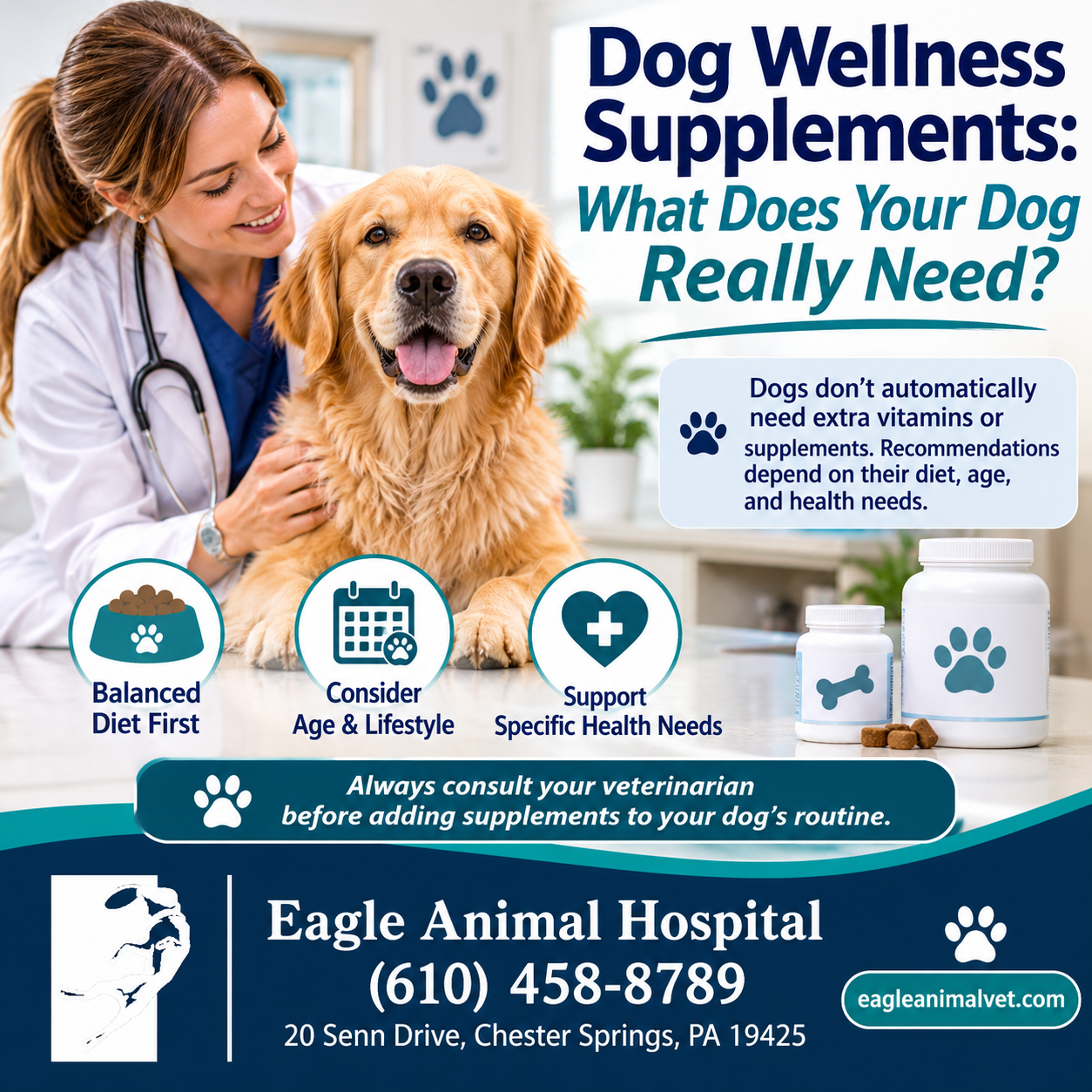
Dog wellness supplements can be useful for particular health needs, but most healthy dogs eating a complete and balanced diet do not automatically need extra vitamins. The right choice depends on the dog’s age, diet, symptoms, medications and medical history. Before buying a product, ask a veterinarian whether there is a specific problem to address and how you will know if the supplement helps.
Quick answer: There is no single best overall supplement for every dog. A veterinary assessment comes first. Fish oil, joint products and probiotics can have a role in selected cases, but they differ in evidence, quality and safety. Supplements are not replacements for a balanced diet, prescribed medication or a diagnosis.
Do healthy dogs need wellness supplements?
A dog that eats a commercial food labeled complete and balanced for its life stage generally receives the essential vitamins and minerals it needs from that food. Adding a daily multivitamin without identifying a deficiency may offer little benefit. It can also create an imbalance, especially when a product contains concentrated fat-soluble vitamins or minerals.
A different discussion applies to dogs on homemade diets, dogs with absorption problems, dogs recovering from illness or pets with a diagnosed condition. A homemade recipe that looks varied to an owner may still be deficient in calcium, trace minerals or other nutrients. Those diets should be formulated with qualified veterinary nutritional guidance rather than corrected with a random supplement.
Age alone is not a diagnosis. An older dog with normal mobility and appetite may need routine monitoring more than a new product. A young dog with persistent loose stool needs evaluation for parasites, dietary intolerance or infection before a probiotic is assumed to be the solution.
What is the best overall health supplement for dogs?
The best choice is the one that addresses an identified need with a suitable formulation, a realistic expected benefit and an acceptable safety profile. “Overall wellness” is a broad marketing phrase, not a veterinary diagnosis. Products combining many herbs, vitamins and extracts may be harder to evaluate because it is unclear which ingredient is supposed to help.
For a dog with a balanced diet and no specific health concern, the answer may be no supplement at all. For a dog with osteoarthritis, a veterinarian may consider a joint-support strategy alongside weight management, activity adjustments and proven pain treatment. For a dog with a gastrointestinal disorder, a carefully selected probiotic may be discussed as one part of care. Neither choice is universally appropriate.
A practical first step is to bring the full product label to the veterinarian. Include the active ingredients, dose per serving, manufacturer, batch information and any claims printed on the container. This lets the veterinary team identify duplications and interactions with existing food or medications.
Which supplements do veterinarians commonly consider for dogs?
|
Supplement type |
Potential reason to discuss it |
Important limitation |
|
Omega-3 fish oil |
Selected inflammatory or skin conditions; sometimes joint support |
Dose, source and medication interactions matter |
|
Joint-support products |
Mobility concerns and osteoarthritis care plans |
Evidence varies by ingredient and product |
|
Probiotics |
Some digestive problems or specific clinical situations |
Effects depend on the organism and formulation |
|
Vitamin/mineral products |
Documented deficiency or nutritionally incomplete diet |
Excess nutrients may cause harm |
|
Fiber supplements |
Selected stool or gastrointestinal concerns |
Type and amount must match the condition |
These categories describe possible uses, not endorsements of specific products. Even products sold for pets can vary substantially in concentration, manufacturing controls and research support. A supplement with an attractive ingredient list is not necessarily effective at the dose printed on its label.
Can dog joint supplements improve mobility?
Joint products often contain glucosamine, chondroitin, green-lipped mussel extracts or other ingredients marketed for cartilage support. Research results are mixed, and not every dog responds. If a dog has trouble rising, hesitates on stairs or seems stiff after resting, a veterinarian should assess whether osteoarthritis, injury, neurologic disease or another problem is responsible.
Joint care is broader than a capsule. Maintaining a healthy body condition reduces mechanical stress on joints. Appropriate exercise, safe flooring and veterinarian-directed pain management can be more important than adding another supplement. If a trial is recommended, agree in advance on a time frame and measurable goals, such as easier walks or improved ability to stand.
Do not interpret continued limping as evidence that a supplement needs more time. Persistent pain, sudden lameness, swelling or an inability to bear weight deserves prompt veterinary attention.
Is fish oil a good wellness supplement for dogs?
Fish oil contains omega-3 fatty acids, notably EPA and DHA. These are different from the omega-6 fats that are already common in many diets. Veterinarians sometimes use marine omega-3 products in individualized plans for skin disease, inflammation or other health conditions, but a generic “one capsule daily” approach is unreliable because capsules contain different amounts of EPA and DHA.
Fish oil may cause stomach upset, loose stools or added calorie intake. High doses may be inappropriate for some dogs, including those with certain medical conditions or medications that affect bleeding. Products can also oxidize if stored poorly. Ask about a product’s measured EPA and DHA content rather than assuming all fish oil capsules are equivalent.
Never use a human supplement simply because the package looks familiar. Flavorings, additional vitamins and dosing instructions may not be appropriate for dogs. The veterinarian should review both the product and the dog’s medication list before supplementation starts.
When might a dog probiotic supplement help?
Probiotics contain live microorganisms intended to provide a health benefit when used in adequate amounts. Their effects are strain-specific. This means research on one bacterial strain does not automatically support another product labeled “probiotic.” Some veterinary formulations have evidence for selected digestive problems, while other products have limited clinical data.
A probiotic is not a substitute for investigating repeated diarrhea, vomiting, weight loss or blood in the stool. Puppies and senior dogs can deteriorate quickly when gastrointestinal symptoms are severe. In those situations, examination and diagnostic testing matter more than a supplement trial.
Ask whether the product identifies the organisms, provides a guaranteed viable count through the expiration date and has storage instructions. Also ask when to stop if symptoms fail to improve. A supplement should be part of a defined plan rather than an open-ended expense.
Are dog vitamins and mineral supplements necessary?
Vitamins and minerals are essential, but more is not always better. Too much vitamin D can be toxic, excess vitamin A can cause problems, and unbalanced calcium or phosphorus intake is especially concerning for growing puppies. Products advertised for coat shine or energy may overlap with nutrients already present in a complete food.
Dogs eating therapeutic prescription diets also require extra caution. Those diets may be designed to manage specific nutrients, so adding supplements can work against the intended balance. A veterinary review is important before changing the diet or adding any concentrated nutrient product.
For owners feeding homemade meals, the appropriate solution is a complete recipe with precisely calculated nutrients. Adding a broad multivitamin to an unbalanced recipe does not guarantee that all nutritional requirements are met.
How can owners compare supplement labels and safety claims?
|
What to check |
Question to ask before purchasing |
|
Purpose |
Which diagnosed problem or measurable goal does this address? |
|
Ingredients |
Are the active ingredients and amounts clearly listed? |
|
Quality |
Does the manufacturer document testing and consistency? |
|
Evidence |
Was this formulation or ingredient studied in dogs? |
|
Safety |
Could it interact with medications or an existing diet? |
|
Follow-up |
When will benefit and side effects be reviewed? |
Be cautious with phrases such as “vet recommended,” “natural,” “immune boosting” or “clinically proven” when the claim does not identify a specific study or condition. Dietary supplements generally do not undergo the same premarket review as approved veterinary drugs. A company’s marketing language should not be treated as proof of effectiveness.
Avoid products promising to cure arthritis, cancer, allergies or chronic digestive disease. These claims may delay appropriate care. Also check for sweeteners and other ingredients that could be harmful to pets, particularly in human chewables or flavored products.
Can supplements interact with a dog’s medications?
Yes. A supplement can affect how a medication works, increase side effects or complicate treatment of an existing disease. The risk depends on the ingredients and the dog’s circumstances. For example, owners should discuss fish oil use when a dog takes medication affecting clotting or has a planned procedure. Herbs and concentrated extracts can also interact with prescribed drugs.
Bring an up-to-date list of everything the dog receives, including flea and tick prevention, prescription medications, treats containing active ingredients, powders and chewables. “Natural” does not mean free of pharmacologic effects. If a dog develops vomiting, facial swelling, weakness or unusual bleeding after starting a product, stop giving it and contact a veterinarian promptly.
How does a wellness examination help with supplement decisions?
A wellness visit gives the veterinarian an opportunity to assess body condition, mobility, skin and coat, diet, activity and medical history. These observations can reveal whether a concern is nutritional, behavioral or medical. They also establish a baseline against which any change can be evaluated.
At Eagle Animal Hospital in Chester Springs, owners can use a preventive appointment to discuss Dog wellness supplements alongside diet, weight and routine health screening. The hospital describes a nose-to-tail examination and individualized nutrition review, but its published pages do not identify a particular supplement brand as the hospital’s recommendation.
For families in Exton, Downingtown, Phoenixville and nearby Chester County communities, a local wellness visit can also help identify changes that are easy to miss at home. A dog who seems to need a “joint vitamin” may actually have dental pain, excess weight or a condition that requires a different treatment.
How should owners decide whether a supplement is worth the cost?
Start by identifying the health outcome you want to improve. If the goal is better mobility, record how the dog walks, rises and handles stairs before treatment begins. If the goal is digestive comfort, document stool quality and symptom frequency. Without a baseline, it is easy to attribute normal fluctuations to an expensive new product.
Ask for the expected time to benefit and the criteria for stopping. Some supplements have little convincing evidence, and continuing them indefinitely may not be justified. Spend first on a complete diet, veterinary preventive care, parasite prevention and recommended diagnostic tests. These priorities often provide clearer health value than an assortment of wellness chews.
Owners should also consider the cost per actual dose, not merely the price of the bottle. A large dog may need more servings than a small dog. If the product is hard to administer or causes digestive upset, its practical value decreases even if its ingredients appear promising.
What questions do dog owners ask about wellness supplements?
Do all dogs need a daily multivitamin?
No. Dogs eating complete and balanced food usually receive their essential nutrients from the diet. A multivitamin may be considered for a documented deficiency or a special feeding situation, but routine supplementation without a reason can create imbalances.
What supplements do vets recommend for older dogs?
Recommendations depend on the individual dog. A senior dog with joint pain may need a mobility assessment and treatment plan, while another may need diet changes or bloodwork. There is no single senior supplement suitable for every pet.
Are joint supplements a substitute for arthritis medication?
No. Joint supplements have variable evidence and should not replace veterinary pain control when a dog has arthritis. Weight management, appropriate exercise and prescribed treatment may be central to maintaining comfort and function.
Can I give my dog fish oil with current medications?
Ask the prescribing veterinarian first. The answer depends on the medication, fish oil concentration, health history and planned procedures. Bring the exact bottle so the team can review EPA and DHA amounts and other ingredients.
Can probiotics stop a dog from having diarrhea?
Some probiotics may help in selected situations, but persistent diarrhea has many possible causes. Puppies, older dogs and pets with vomiting, blood in the stool or lethargy should be assessed rather than treated with supplements alone.
Are human vitamins safe for dogs?
Do not assume they are. Human products may contain inappropriate doses, sweeteners or additional ingredients. Dogs have different nutritional needs, and excessive vitamins or minerals can be harmful.
What is the best vitamin and mineral supplement for dogs?
The best option depends on a demonstrated nutritional need. For a healthy dog eating a complete diet, an additional supplement may not be necessary. Homemade diets require careful formulation rather than a generic vitamin product.
Does Eagle Animal Hospital sell dog joint supplements?
The reviewed official website does not confirm which joint supplements are stocked or sold. Contact the hospital directly for current inventory and ask a veterinarian whether a particular product fits your dog’s condition.
How do I know whether a supplement is working?
Agree on a measurable goal with your veterinarian, record the dog’s baseline and reassess after an appropriate trial. Stop and seek advice if side effects appear or if the expected benefit does not develop.
Are natural dog supplements always safe?
No. Natural ingredients can have side effects, interact with medicines or contain contaminants. Safety depends on the exact formulation, dose, manufacturing quality and the dog’s medical circumstances.
Should puppies take joint or growth supplements?
Not routinely. Growing puppies, particularly large breeds, need carefully balanced nutrition. Adding calcium or other nutrients without veterinary guidance may disturb healthy development.
What is Life’s Abundance wellness food supplement for dogs?
It is a branded product referenced in some searches. A product name alone does not establish that a dog needs it or that it is superior. Review its current ingredients and claims with your veterinarian before use.
Can supplements help a dog with itchy skin?
Sometimes a veterinarian may discuss omega-3 fatty acids as part of care, but itching may arise from parasites, infections or allergies. Identifying the cause is more important than choosing a supplement based on a skin-health label.
How often should supplement use be reviewed?
Review supplements whenever medications, diet or health conditions change and at regular wellness appointments. A product that once seemed reasonable may become unnecessary or unsuitable as a dog ages.
Where can I discuss dog supplements near Chester Springs, PA?
Eagle Animal Hospital provides pet wellness exams and nutrition reviews in Chester Springs. Owners can bring supplement labels, diet information and medication lists to an appointment for individualized guidance.
What is the practical next step for dog owners?
Begin with the dog’s current diet, symptoms and health history, not the supplement aisle. If a specific concern persists, arrange a veterinary examination and ask what outcome a supplement is expected to improve. Eagle Animal Hospital provides wellness examinations in Chester Springs, Pennsylvania, and can discuss nutrition as part of preventive care. Its official website is https://eagleanimalvet.com/.
Editorial verification notes
Source review date: November 10, 2026. Official sources: https://eagleanimalvet.com/pet-wellness/ ; https://eagleanimalvet.com/ ; https://eagleanimalvet.com/pet-bloodwork/ .
The hospital’s official pages support individualized nutrition review during wellness examinations. They do not substantiate a named supplement endorsement, in-clinic joint supplement inventory, or supplement pricing. General supplement explanations are educational and are not represented as hospital-specific policies.
Image: None, following the latest Eagle Animal Hospital article instruction. Backlink: one contextual link with exact preferred anchor text in the body.
Approximate article paragraph word count (excluding editorial metadata and notes): 2325

 English
 Arabic
 French
 Spanish
 Portuguese
 Deutsch
 Turkish
 Dutch
 Italiano
 Russian
 Portuguese (Brazil)
 Greek
