


 About Urh Social
 Terms of Service
 Политика конфиденциальности
 Contact
Why Mold Keeps Coming Back in Venice Homes and How to Stop It
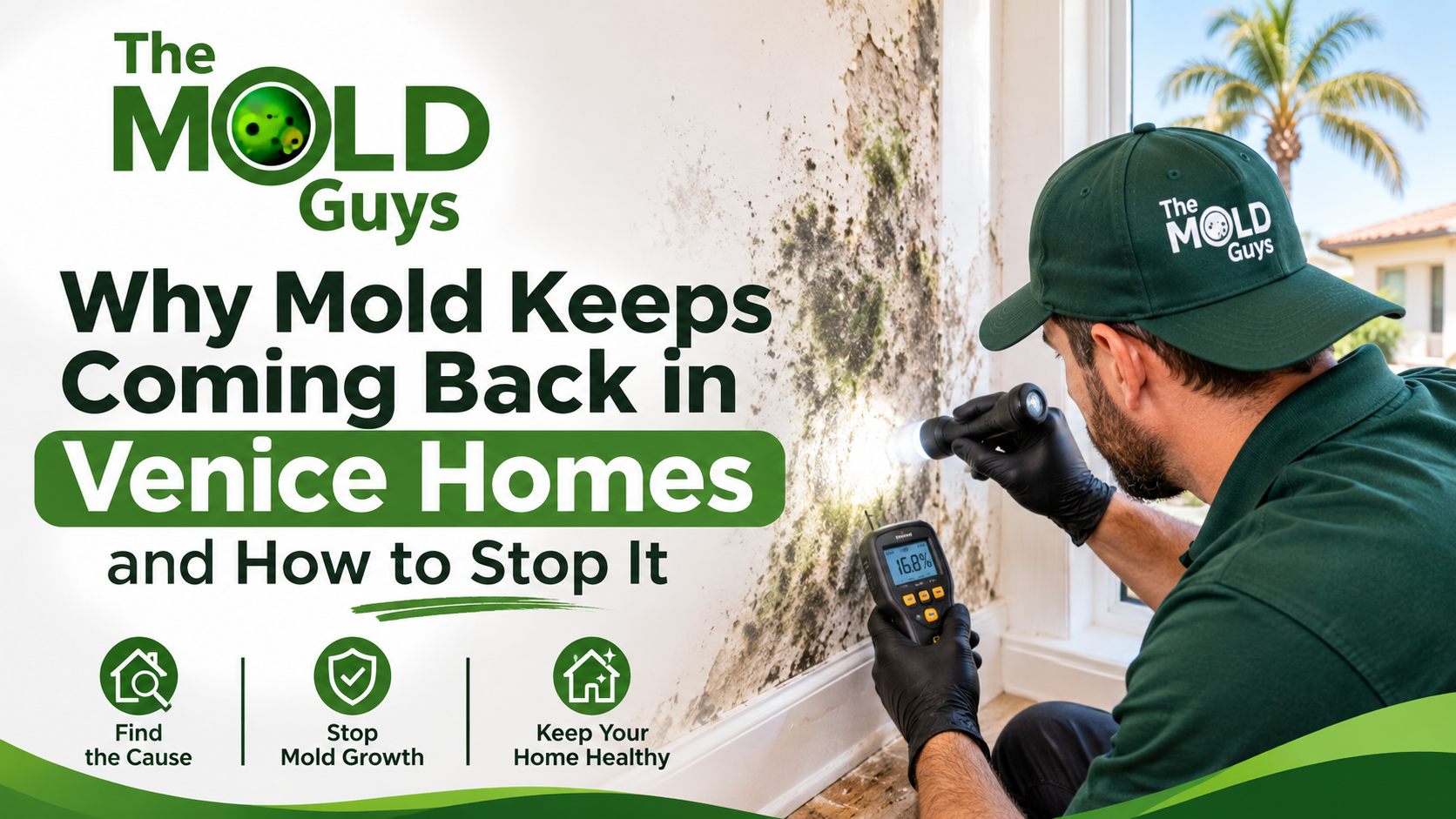
You scrub the stain away and the wall looks clean again. A few weeks later the dark spots are back in the same place. Some homeowners repeat this cycle three or four times before they start to wonder what is really going on. Recurring mold is rarely bad luck. It almost always means the original cause was never fixed or the growth was never fully removed. Venice sits on Florida's Gulf Coast where warm weather and humid air create ideal conditions for mold nearly all year. Understanding why it returns is the first step toward ending the cycle, and proper mold remediation venice homeowners can trust deals with the cause and not only the stain. This guide explains the most common reasons mold comes back and what a lasting fix looks like. It also covers the habits that keep your home protected afterward.
Why Venice Homes Are So Vulnerable
Mold needs moisture and a food source along with a moderate temperature. Venice supplies the first and third almost every day. Outdoor humidity stays high for most of the year and summer brings frequent heavy rain. Warm humid air enters the home through doors and attic spaces and condenses on cooler surfaces such as ductwork and exterior walls.
Building materials add to the risk. Many local homes use concrete block and stucco on slab foundations. These materials absorb water and release it slowly into the interior. Paper faced drywall is common inside, and the paper itself is food for mold. Add a lanai or garage that stays open to outdoor air and you have several places where moisture lingers.
Air conditioning works hard here. A system that runs constantly can still create problems if the drain line clogs or the coil stays wet. In that case the system itself can feed growth and spread spores to every room.
Reason One: The Moisture Source Was Never Fixed
This is the most common reason mold returns. Mold is a symptom. The real problem is water that is entering or collecting somewhere it should not. If you clean the mold and leave the moisture in place, the growth restarts as soon as the surface is damp enough.
Common hidden sources in Venice homes include:
-
Slow plumbing leaks inside walls or under sinks
-
Roof leaks that travel down into ceilings and wall cavities
-
Window and door gaps that let wind driven rain enter
-
A clogged air conditioning drain line that overflows
-
Condensation on cold ducts or exterior walls
-
Poor drainage around the foundation after heavy storms
A leak does not need to be large. A pinhole drip inside a wall can keep drywall damp for months without leaving a visible puddle. Until that source is found and repaired, no cleaning method will hold.
Reason Two: Surface Cleaning Did Not Reach the Growth
Mold spreads through thin root like threads that grow into the material it lives on. On a hard surface such as tile these threads stay near the top and cleaning can remove them. On porous materials such as drywall and wood and grout and carpet they go deeper. Wiping the surface removes the color but leaves the roots behind.
Painting over a stain makes this worse. Paint traps moisture in the wall and creates a warm sealed space where growth continues. The paint later bubbles and the stain returns. Many homeowners repeat the process several times and the hidden area keeps growing behind the paint.
Bleach is another common trap. It lightens the color of mold on hard surfaces but it does not reach growth inside drywall or wood. The extra water it adds can even help the mold return.
Reason Three: Hidden Growth Was Missed
The visible patch is often only part of the problem. Mold can grow behind baseboards and inside wall cavities and above ceilings and under flooring. A homeowner may clean one wall and never realize that the next room holds a larger colony. Spores from the hidden colony keep entering the air and landing on cleaned surfaces.
Signs that growth may be hidden include a musty smell with no visible source and paint that bubbles or peels without a clear cause. Soft drywall and stains that return after cleaning are also warning signs. If you see any of these, treating only what is visible will not be enough.
Reason Four: Spores Spread During Cleanup
Disturbing mold releases large numbers of spores into the air. Without containment those spores travel into other rooms and settle on surfaces and enter the air conditioning system. The cleanup itself can seed new colonies in places that were clean before.
This is why homeowners sometimes find mold in a new room a few weeks after they cleaned the original spot. The connection is easy to miss because the new growth appears later and in a different place. Proper containment prevents this by sealing the work area and controlling the air during the job.
Reason Five: Materials Were Not Dried Completely
Drying is the step people skip most often. A wall that feels dry to the touch can still hold moisture inside. If it is closed up or painted too soon, the dampness stays trapped and mold returns. In Florida the problem is worse because humid air slows drying. Fans and open windows are rarely enough for a soaked wall or floor.
Industrial dehumidifiers and air movers pull moisture out of the structure over several days. Moisture meters confirm that wood and drywall have reached normal levels. Without that confirmation you are guessing, and the guess is often wrong.
Reason Six: Indoor Humidity Stays Too High
Even without a leak, a home can stay humid enough to support mold. Air conditioning that is set too warm or undersized for the space will not remove enough moisture. Closed rooms and closets without airflow hold humid air against walls and fabric. Bathrooms without a working exhaust fan keep steam in the room for hours.
A reading above 60 percent on a hygrometer for long periods creates good conditions for mold. Keeping humidity below 50 percent is a reliable target. Many Venice homeowners are surprised by how often their readings sit above that level, especially in summer.
Reason Seven: Damaged Materials Were Left in Place
Some materials cannot be saved. Drywall that is soft or stained through and insulation that has absorbed water and carpet padding that stayed wet cannot be cleaned deeply enough to remove embedded growth. If these materials are cleaned and left in the wall or floor, the colony remains and regrows.
Removing and replacing affected material is a normal part of thorough work. It can feel like a bigger project than a scrub and a coat of paint, but it is the only way to remove growth that lives inside the material.
What a Lasting Fix Looks Like
A job that stops recurring mold follows a clear sequence. Each step supports the next.
-
Assessment. Moisture meters and thermal imaging locate wet areas behind surfaces. Air sampling shows how spore levels inside compare with outdoors. This defines the size of the problem.
-
Moisture source repair. The leak or gap or drain problem is identified and fixed or a clear repair plan is given before rebuilding.
-
Containment. Heavy plastic sheeting seals the work area. Negative air machines pull air through HEPA filters and send it outside. Vents in the work zone are covered and the air conditioning is shut off during the work.
-
Removal. Affected drywall and insulation are cut out and bagged. Wood framing is cleaned with HEPA vacuums and treated with approved products.
-
Drying. Industrial equipment dries the structure and technicians record moisture readings until materials reach normal levels.
-
Verification. Air sampling after the work confirms that spore levels are back to normal before walls are rebuilt.
-
Rebuild and prevention advice. New materials go in once everything is clean and dry, and the homeowner receives a plan for controlling humidity.
Reliable professional mold removal services follow this process on every project. The verification step is especially valuable because it replaces guesswork with data.
Cleaning Small Spots Safely
Not every spot needs a full project. A small patch of surface growth on a firm hard surface can often be handled at home when the moisture source is already fixed. The goal is to clean without damaging the material.
Drywall absorbs liquid quickly, so soaking it does more harm than good. The best mold remover for drywall is usually a gentle one such as diluted white vinegar or a mild detergent solution used sparingly and dried right away. If the board is soft or stained through or the growth keeps returning, the section should be cut out and replaced. Our guide on the best mold remover for drywall explains how to judge whether a board can be saved.
Painted walls call for a method that cleans without stripping the finish. The best mold remover for painted walls starts with warm water and mild dish soap on a soft cloth. Diluted vinegar or three percent hydrogen peroxide can help with stubborn spots. Test a hidden area first and dry the wall completely afterward.
Wear an N95 respirator and gloves and eye protection for any cleaning. Never mix bleach with vinegar or ammonia because the mixture creates dangerous fumes. If the area is larger than about ten square feet or you suspect growth inside the wall, stop and arrange an assessment.
Signs You Need More Than a Home Fix
Some situations are beyond a safe home project. Consider outside help when any of these apply:
-
Mold returns within a few weeks of cleaning
-
The smell remains after the surface looks clean
-
Drywall or flooring is soft or crumbling
-
A leak or storm soaked the area and it was not dried within two days
-
The growth is near or inside the air conditioning system
-
Someone in the home has asthma or allergies or a weakened immune system
-
You have already painted over the problem once
In these cases the true size of the problem is unknown and the risk of spreading spores is high.
Choosing a Local Company
The company you hire has a large effect on whether the mold stays gone. When you search for mold removal services near me compare more than price. A local team knows Venice and the Gulf Coast climate and the common building styles in the area. It can also respond quickly after a leak or storm.
Ask these questions before you agree to anything:
-
Do your technicians hold current IICRC certification and are you licensed and insured?
-
Will you inspect before you give a written estimate?
-
How will you contain the work area and protect the air conditioning system?
-
Will you find and address the moisture source?
-
Will you test the air after the work and share the results?
-
Do you offer a written guarantee?
Florida treats mold assessment and mold remediation as separate licensed roles, so the company that writes the assessment should not be the one doing the removal on the same project. Be cautious with any company that quotes a price without seeing the home or promises that one spray will solve the problem. Clear answers about containment and testing are a good sign.
Keeping Mold From Coming Back
Prevention is a set of steady habits. They cost far less than repeated repairs.
Keep indoor humidity below 50 percent. A small hygrometer shows conditions in real time and a dehumidifier helps in rooms that air conditioning does not cool well. Service your air conditioning system every year and keep the drain line clear. Replace filters on schedule.
Run bathroom exhaust fans during every shower and for at least 20 minutes afterward. Use the kitchen vent while cooking. Wipe shower walls and dry towels fully. Check under sinks and around appliances for slow drips every few months and replace old supply hoses before they fail.
Keep gutters clean and make sure downspouts carry water away from the foundation. Have the roof checked after major storms. Reseal window and door gaps when caulk cracks. Dry any wet material within 24 to 48 hours of a spill or leak.
Leave closet doors open for part of each day and keep furniture a few inches away from exterior walls so air can move. If you spend summers away, keep the air conditioning running at 78 to 80 degrees and ask someone to check the home regularly. A closed house can develop mold in a few weeks when humidity climbs.
Schedule a follow up inspection a few months after any remediation. It confirms that conditions are stable and catches new moisture before it becomes new growth.
Conclusion
Mold that keeps returning is a sign that something in the process was missed. Usually it is the moisture source or hidden growth or incomplete drying or a surface cleaning that never reached the roots. Venice homes face extra pressure from humid air and heavy rain and building materials that hold water. The solution is a complete approach that finds the cause and contains the work and removes damaged material and dries the structure and verifies the result. After that, steady humidity control keeps the home protected. Choosing mold remediation venice homeowners can rely on means choosing a team that treats the cause and not only the stain. The Mold Guys have served homeowners across Southwest and Central Florida for over 25 years and offer mold inspection and testing and mold removal along with water damage restoration. Working with experienced professional mold removal services gives you a clear plan and a result you can verify.
FAQs
Q: Why does mold keep coming back after I clean it?
A: Usually the moisture source was never fixed or the growth sits deeper than the surface. Hidden colonies, incomplete drying and high indoor humidity are other common causes. Cleaning without addressing these leaves the conditions mold needs in place.
Q: What is the best mold remover for drywall?
A: For small surface spots on firm drywall, diluted white vinegar or a mild detergent solution works when used sparingly and dried quickly. Soft or stained through drywall cannot be saved by cleaning and should be removed and replaced.
Q: What is the best mold remover for painted walls?
A: Warm water with mild dish soap on a soft cloth is the safest start. Diluted vinegar or three percent hydrogen peroxide can help with stubborn spots. Test a hidden area first and dry the wall fully to protect the paint.
Q: How do I know if mold is hiding inside my walls?
A: Common signs include a musty smell with no visible source, bubbling paint, soft drywall and stains that return after cleaning. Moisture meters and thermal imaging can confirm hidden dampness without opening the whole wall.
Q: How do I find reliable help in Venice?
A: Search for mold removal services near me and compare IICRC certification, written estimates and local reviews. Ask about containment, moisture repair and air testing afterward. Reliable teams explain each step and offer a written guarantee.

 English
 Arabic
 French
 Spanish
 Portuguese
 Deutsch
 Turkish
 Dutch
 Italiano
 Romaian
 Portuguese (Brazil)
 Greek
