


 About Urh Social
 Terms of Service
 Política de privacidade
 Contact
How to Recognize When Dark Underarms and Inner Thighs Need Medical Attention
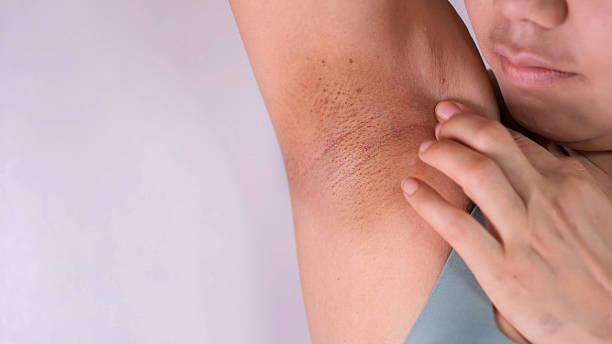
Dark underarms and inner thighs are common skin concerns that can develop because of friction, irritation, previous inflammation, or changes in pigmentation. In many cases, discoloration is gradual and does not indicate a serious health problem. However, certain changes in skin color, texture, or sensation may suggest an underlying condition that deserves medical evaluation. Understanding How to Treat Dark Underarms and Inner Thighs involves recognizing the difference between ordinary pigmentation and symptoms that may require professional attention. Observing how the affected areas change over time can help determine when a dermatological assessment is appropriate.
Sudden or Rapidly Spreading Dark Patches
Gradual pigmentation may develop over months or years, but sudden darkening or discoloration that spreads quickly should not be ignored. Changes appearing in several body folds, including the neck, groin, and underarms, may sometimes be associated with hormonal or metabolic conditions. Acanthosis nigricans, for example, can cause darker areas with a thicker, velvety appearance. It may be associated with insulin resistance and other health concerns. A healthcare professional can examine the affected skin and decide whether further assessment or blood tests are necessary.
Thickened or Velvety Skin Texture
Color alone does not always explain the nature of a pigmentation concern. Pay attention to whether the affected skin becomes thicker, rougher, or noticeably velvety compared with the surrounding area. These changes may be signs of acanthosis nigricans rather than simple surface discoloration. The condition commonly affects skin folds and can appear on the underarms, inner thighs, neck, or groin. It is important not to rely on brightening creams or exfoliating products without understanding the cause. A medical assessment can help identify associated conditions and guide appropriate management.
Persistent Itching, Burning, or Discomfort
Dark patches accompanied by ongoing itching, burning, tenderness, or irritation may indicate more than pigmentation alone. Possible causes include contact dermatitis, eczema, fungal infections, or inflammation related to personal care products and friction. Scratching and repeated irritation can further damage the skin barrier and contribute to post-inflammatory hyperpigmentation. If discomfort continues, becomes severe, or interferes with daily activities, seek professional advice. Avoid applying strong exfoliants or unprescribed brightening products to inflamed skin because they may worsen the symptoms.
Signs of Infection or Skin Breakdown
Certain symptoms require prompt medical attention rather than cosmetic treatment. Redness that spreads, warmth, swelling, increasing pain, pus, an unpleasant odor, or open sores may indicate an infection or another skin problem. Fever alongside these symptoms can be a warning sign that medical care is needed urgently. Skin folds can retain moisture and experience friction, which may contribute to irritation and infection. Do not attempt to treat these symptoms with bleaching products, scrubs, or home remedies. A qualified healthcare professional should assess the area and recommend suitable treatment.
When Pigmentation Appears Alongside Other Health Changes
Sometimes skin discoloration develops together with other physical changes. Dark, velvety patches may be associated with insulin resistance, hormonal conditions, or certain medications. If pigmentation occurs alongside unexplained weight changes, increased thirst, frequent urination, or other unusual symptoms, discuss these changes with a healthcare professional. This does not automatically mean that a specific medical condition is present, but it may indicate a need for further evaluation. Identifying the underlying cause is an important part of How to Treat Dark Underarms and Inner Thighs safely rather than focusing only on the visible skin tone.
Why Self-Treatment May Not Be Enough
Over-the-counter brightening products may help selected forms of pigmentation, but they cannot address every underlying cause. Using multiple active ingredients, strong peeling products, or unverified bleaching creams can trigger irritation and make discoloration more noticeable. A dermatologist can assess the appearance, texture, and history of the affected areas before recommending treatment. Depending on the findings, management may involve prescription topical products, treatment of an infection or inflammatory condition, or further medical evaluation. A personalized approach is particularly important for sensitive body folds.
What to Expect During a Professional Skin Assessment
A consultation usually begins with questions about when the discoloration appeared, whether it has changed, and whether symptoms such as itching or discomfort are present. The professional may examine the affected areas and ask about skincare products, hair removal practices, medications, and relevant health history. If the skin changes suggest an underlying condition, additional tests or referral to another healthcare professional may be recommended. This assessment helps distinguish simple pigmentation from conditions that require medical management before aesthetic treatment is considered.
Book a Consultation at Royal Clinic Saudi
If dark underarms or inner thigh patches are persistent, changing, or accompanied by unusual symptoms, professional assessment can help clarify the cause. Royal Clinic Saudi offers aesthetic consultations to discuss skin concerns and appropriate care options. Where symptoms suggest an underlying medical condition, a qualified healthcare professional should evaluate the issue before cosmetic procedures are considered.
FAQs:
1. Are dark underarms always a sign of a medical condition?
No. They may result from friction or irritation, but persistent or unusual changes should be assessed.
2. Can thick, velvety skin indicate acanthosis nigricans?
Yes. This appearance can be associated with acanthosis nigricans and may require medical evaluation.
3. When should I seek urgent medical attention?
Seek prompt care for spreading redness, swelling, severe pain, pus, open sores, or fever.
4. Should I use brightening creams on irritated skin?
No. Allow the irritation to be assessed and treated before using active brightening products.

 English
 Arabic
 French
 Spanish
 Portuguese
 Deutsch
 Turkish
 Dutch
 Italiano
 Russian
 Romaian
 Greek
