


 About Urh Social
 Terms of Service
 Privacy Policy
 Contact
Mold Remediation Inspection: A Complete Property Guide
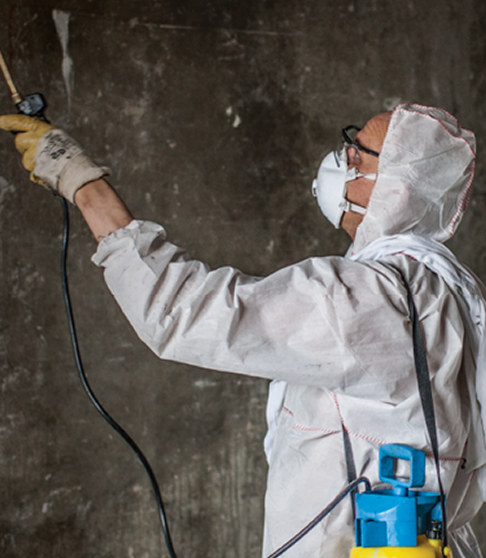
Mold can develop in homes and commercial buildings when moisture remains on surfaces or becomes trapped inside building materials. Leaking pipes, roof damage, poor ventilation, flooding, and condensation can all create conditions that support mold growth.
A mold remediation inspection helps identify visible mold, locate moisture problems, and determine which areas of a property may need professional attention. It is an important step before cleanup because removing visible mold without addressing the underlying moisture source can allow the problem to return.
Whether you have noticed a musty smell, water stains, or visible growth, understanding the inspection process can help you take the right steps to protect your property.
Common Causes of Mold Growth
Mold spores are naturally present in the environment, but they can grow indoors when moisture and suitable surfaces are available. Bathrooms, kitchens, basements, laundry rooms, and crawl spaces are common areas where moisture problems may occur.
Plumbing leaks are a frequent cause of hidden moisture. A damaged pipe behind a wall or beneath a sink can keep building materials damp for an extended period. Roof leaks and damaged windows can also allow rainwater to enter the property.
Flooding and previous water damage may create additional concerns when carpets, drywall, insulation, or wooden materials are not dried properly. Poor ventilation can make the situation worse by allowing humidity to build up indoors.
Signs You May Need a Mold Inspection
Some mold problems are easy to recognize, while others remain hidden behind walls, ceilings, or flooring. Visible spots that appear black, green, white, or gray may indicate mold growth, although color alone cannot identify the type of mold.
A persistent musty odor is another possible warning sign. You may also notice peeling paint, discolored drywall, warped wood, or recurring dampness in certain rooms.
If a property has experienced flooding, plumbing leaks, or long-term moisture problems, an inspection may be helpful even when visible mold is not present. Hidden moisture can remain inside building materials and create conditions for future growth.
What Happens During a Mold Remediation Inspection?
Initial Property Assessment
The inspection generally begins with a review of the property's condition and any known history of water damage. The inspector may ask about previous leaks, flooding, roof repairs, ventilation problems, and areas where odors or visible growth have appeared.
This information helps narrow down potential problem areas. The inspector may then examine rooms, ceilings, walls, floors, windows, and plumbing fixtures for signs of moisture or mold.
Identifying Visible Mold Growth
Visible surfaces are checked for discoloration, spotting, staining, and other signs of possible mold. Inspectors may pay particular attention to bathrooms, basements, kitchens, closets, and areas near plumbing lines.
It is important to understand that not every dark stain is mold. Some marks may result from dirt, water staining, or other building conditions. A proper assessment considers the appearance of the material alongside moisture conditions and other evidence.
Checking for Hidden Moisture
Mold can grow in areas that are not immediately visible. Moisture meters and other inspection tools may help identify damp materials behind or beneath accessible surfaces.
Inspectors may examine areas around windows, under sinks, near appliances, and along walls that have experienced previous leaks. In some situations, additional investigation may be recommended if there are signs of moisture behind finished surfaces.
Finding the source of moisture is essential. Without correcting the leak, condensation, or ventilation problem, mold may return after cleanup.
Determining the Scope of Remediation
Once affected areas have been identified, the next step is determining what work may be necessary. This can include correcting the moisture source, removing damaged materials, cleaning suitable surfaces, and drying the affected area.
The scope depends on the size of the affected area, the materials involved, and whether the mold is visible or hidden. A professional remediation plan should explain the recommended work and any precautions needed to limit the spread of contamination.
Is Mold Testing Always Necessary?
Not every suspected mold problem requires laboratory testing. When visible mold growth is present, identifying and correcting the moisture problem is often more important than determining the exact mold species.
Testing may be considered when the source of a suspected problem is unclear, when there is a specific concern that requires further investigation, or when an independent assessment is needed. The decision should depend on the property's condition and the reason for the inspection.
An inspection and a mold test are not the same thing. An inspection evaluates the building and potential moisture problems, while testing involves collecting samples for analysis.
Why Professional Mold Remediation Matters
Cleaning visible mold without addressing the underlying problem may provide only a temporary solution. Moisture can remain inside walls, flooring, insulation, and other materials, allowing growth to continue.
Professional remediation focuses on controlling the source of moisture, containing affected areas when necessary, removing materials that cannot be safely restored, and cleaning suitable surfaces. Appropriate protective equipment and work practices are important, particularly when dealing with larger or more complicated problems.
After remediation, the property should be checked to confirm that the moisture issue has been addressed and that the work has been completed appropriately.
How to Prepare for a Mold Inspection
Before an inspection, make a note of areas where you have noticed odors, water stains, leaks, or visible growth. If possible, gather information about previous flooding, plumbing repairs, roof leaks, or other moisture-related incidents.
Avoid disturbing suspected mold by scraping, sanding, or attempting to remove large affected areas yourself. These activities may release spores into the air. If the affected area is extensive or involves heating and cooling systems, seek professional guidance.
Keep the area accessible so the inspector can evaluate the suspected problem and nearby surfaces.
Conclusion
A mold remediation inspection helps property owners understand where mold or moisture problems may exist and what steps are needed to address them. By examining visible growth, checking for hidden moisture, and identifying the source of water intrusion, an inspection provides a foundation for an effective remediation plan.
Taking moisture problems seriously and arranging an appropriate assessment can help prevent recurring damage and support a healthier indoor environment.

 Arabic
 French
 Spanish
 Portuguese
 Deutsch
 Turkish
 Dutch
 Italiano
 Russian
 Romaian
 Portuguese (Brazil)
 Greek
