


 About Urh Social
 Terms of Service
 Privacy Policy
 Contact
Water Damage Clean Up: Steps to Restore Your Property
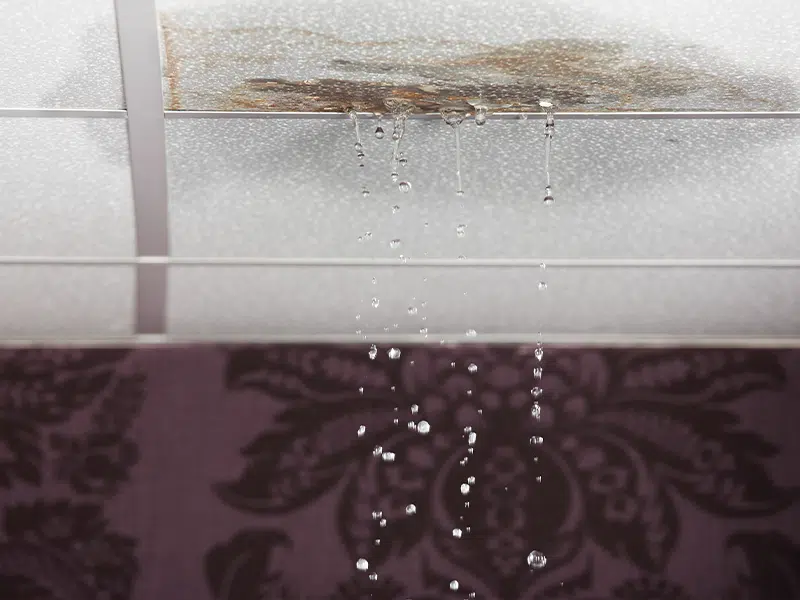
Water damage can happen unexpectedly because of burst pipes, leaking appliances, overflowing toilets, roof leaks, or severe storms. Even a small amount of water can damage flooring, walls, furniture, and personal belongings if it is not addressed quickly.
Water damage clean up involves removing unwanted water, drying affected materials, cleaning contaminated areas, and repairing damaged parts of a property. Acting promptly can help reduce repair costs and prevent moisture-related problems from becoming more serious.
Whether water affects a single room or an entire building, understanding the cleanup process can help property owners make better decisions during recovery.
Common Causes of Water Damage
Water damage can develop from several sources. Plumbing failures are among the most common causes. A broken pipe, loose connection, or leaking water line can release water into walls, ceilings, and floors. If the leak remains unnoticed, moisture may spread to surrounding materials.
Appliance malfunctions can also create serious problems. Washing machines, dishwashers, refrigerators, and water heaters may leak or overflow, allowing water to collect in nearby areas.
Weather-related events are another major cause. Heavy rainfall, flooding, and damaged roofing can allow water to enter a building. Basement flooding is particularly challenging because water may collect in enclosed spaces and remain there until it is properly removed.
Why Immediate Water Damage Clean Up Is Important
Water can spread quickly through porous building materials such as drywall, carpets, insulation, and wood. When these materials remain wet, they may weaken, become stained, or develop unpleasant odors.
Moisture that is not removed properly can also encourage mold growth. Mold may develop in hidden areas, including behind walls, beneath flooring, and inside cabinets. This makes early inspection and thorough drying important parts of the cleanup process.
Quick action can help limit the affected area and prevent additional damage. It also gives restoration professionals a better opportunity to determine which materials can be cleaned and restored and which may need replacement.
The Water Damage Clean Up Process
1. Inspecting the Affected Property
The first step is identifying where the water came from and how far it has spread. A professional inspection may include checking ceilings, walls, flooring, cabinets, and nearby rooms.
Moisture detection equipment can help locate water that is not visible on the surface. Identifying hidden moisture is important because drying only the visible areas may leave damp materials behind.
2. Stopping the Water Source
Before cleanup begins, the source of the water should be controlled. This may involve shutting off the main water supply, repairing a damaged pipe, or arranging repairs to a leaking roof or appliance.
If the water is coming from a plumbing problem, a qualified plumber may be needed. When flooding or storm damage is involved, additional repairs may be necessary to prevent water from entering again.
3. Removing Standing Water
Standing water should be removed as soon as it is safe to do so. Restoration professionals may use pumps, wet vacuums, and specialized extraction equipment depending on the amount of water and the affected area.
Removing excess water helps reduce the amount of moisture absorbed by building materials. It also prepares the property for the next stage of restoration.
4. Drying Walls, Floors, and Other Materials
Water extraction alone does not remove all moisture. Water can remain trapped inside carpets, padding, drywall, wood, and insulation.
Air movers and commercial dehumidifiers are commonly used to support the drying process. Moisture levels should be monitored to confirm that affected materials are drying properly.
Some materials may be too damaged or contaminated to restore. In those situations, removal and replacement may be necessary.
5. Cleaning and Sanitizing Affected Areas
After water removal and drying, affected surfaces may require cleaning. The appropriate method depends on the source of the water and the condition of the materials.
Clean water from a supply line may require a different approach from water that has entered through flooding or sewage backups. Contaminated water can contain harmful microorganisms and should be handled by trained professionals using suitable protective equipment.
6. Repairs and Final Restoration
The final stage involves repairing the damage caused by water. This may include replacing drywall, repairing flooring, repainting walls, restoring cabinets, or addressing damaged insulation.
Before rebuilding, the affected areas should be checked to make sure moisture problems have been resolved. Completing repairs without proper drying can allow damage to return.
Signs Your Property May Have Hidden Water Damage
Not all water damage is immediately visible. Some warning signs may appear days after the original leak or flooding event.
Look for discolored patches on ceilings, bubbling paint, peeling wallpaper, warped flooring, damp carpets, or musty odors. You may also notice soft drywall, swollen wooden surfaces, or unexplained increases in indoor humidity.
These signs should be investigated because moisture may be present behind walls or underneath flooring. A professional assessment can help locate the source and determine the appropriate cleanup steps.
What to Do Before Restoration Professionals Arrive
Your safety should be the first priority. If water is near electrical outlets, appliances, or electrical panels, avoid entering the affected area until it has been declared safe. Do not walk through potentially contaminated floodwater.
If it is safe, stop the water supply and move undamaged belongings away from the affected area. Take photographs and videos of the damage for insurance documentation. Contact your insurance provider and keep records of cleanup-related expenses.
Avoid using ordinary household equipment to remove large amounts of water or entering areas with possible structural damage.
Choosing a Professional Water Damage Clean Up Company
A reliable restoration company should provide a clear inspection, explain the cleanup process, and identify the equipment and repairs required. Ask whether the team can handle water extraction, structural drying, moisture monitoring, cleaning, and restoration.
It is also helpful to choose a provider that communicates clearly about the condition of the property and documents the work being completed.
For information about professional water damage services, visit 24 Hour Flood Pros.
Conclusion
Water damage can affect the structure, appearance, and safety of a property. From small plumbing leaks to major flooding, proper cleanup requires more than removing visible water. Inspection, extraction, thorough drying, cleaning, and repairs all play important roles in the recovery process.
Taking action early and addressing the source of moisture can help limit further damage. With a careful water damage clean up process, property owners can restore affected areas and reduce the risk of recurring problems.

 English
 Arabic
 French
 Portuguese
 Deutsch
 Turkish
 Dutch
 Italiano
 Russian
 Romaian
 Portuguese (Brazil)
 Greek
